}%3C/style%3E%3ClinearGradient id='id0' gradientUnits='userSpaceOnUse' x1='21.96' y1='13.35' x2='18.7' y2='40.98'%3E%3Cstop offset='0' stop-color='%23D0AD83'/%3E%3Cstop offset='1' stop-color='%23E8C094'/%3E%3C/linearGradient%3E%3C/defs%3E%3Cpath class='fil0' d='M5.56 30.86l.02.03-.02-.03zm20.01-29.98l0-.02-.02.01.02 0c.03.04.12.1.17.14.32.24.85.71 1.11 1 .03.04.04.05.07.09.39.4.81 1.02 1.1 1.51.13.23.05.01.22.26.46.66.95 1.42 1.32 2.11l.23.43c.08.15.14.29.22.44.94 1.87 1.56 3.84 1.93 5.9.07.37.12.75.17 1.13l.14 1.82c0 .1.02.18.02.31l0 .97c-0 .1-.02.18-.02.31l-.12 1.51c-.15 1.24-.32 2.07-.66 3.27-.22.77-.63 1.87-.99 2.59l-.82 1.46c-.34.51-.56.84-.95 1.34-.05.07-.09.12-.15.18l-.6.71c-.03.03-.05.05-.08.08-.17.19-.35.4-.54.59l-.97 1c-.08.05-1.05 1.04-1.22 1.21-.22.21-.46.52-.66.74-.06.07-.11.13-.16.2-.7.94-1.15 1.89-.73 3.16.11.31.16.43.31.72.18.34.36.54.62.8.04.04.16.14.18.18-.07 0-.17.04-.24.06-.09.03-.16.04-.25.06-.58.14-.91.21-1.53.29-1.36.18-2.89-0-3.99-.75-.16-.11-.46-.32-.6-.45-.03-.03-.05-.05-.08-.08-.58-.48-1.23-1.49-1.49-2.15-.05-.13-.11-.3-.15-.46-.14-.6-.13-1.06.01-1.62.12-.49.43-.99.78-1.34l.16-.15c.38-.36.89-.6 1.41-.73.08-.02.2-.04.26-.06.21 0 .4-.05.67-.03.08 0 .17-.01.24 0 .31.03.56.09.82.16.13.04.24.08.37.13l.34.15c.24.11.43.25.71.29.54.08 1.1-.13 1.36-.59.26-.46.2-1.05.39-1.6.17-.5.42-.89.69-1.28.25-.37.15-.27.55-.43.22-.09.47-.23.63-.37.14-.12.38-.37.32-.64-.11-.59-.89-.85-1.34-1.14-.11-.07-.19-.13-.26-.25 1.4-.33 2.41.32 2.6-.85.03-.18-.01-.37-.08-.48-.06-.09-.19-.18-.27-.3-.16-.24-.21-.61-.06-.91.18-.36.47-.46.79-.64.07-.04.12-.07.19-.1.23-.11.44-.24.67-.36l-1.97 9.61 1.97-9.61c.15-.08.31-.16.47-.22.75-.3.75-.83.43-1.44-.03-.06-.06-.11-.11-.17-.12-.14-.23-.28-.33-.43l2.51-12.26-2.51 12.26c-.13-.19-.26-.38-.39-.57-.04-.07-.07-.11-.11-.18-.15-.23-.29-.48-.42-.73-.38-.75-.66-1.55-.77-2.39-.14-1.05.03-1.88.33-2.77.09-.28.17-.63.22-.93.1-.51.18-.98.2-1.52.01-.17.03-.35.03-.54l-.05-1.67c-.05-.39-.07-.59-.17-.98-.21-.86-.6-1.64-1.08-2.37l-.36-.49c-.22-.27-.44-.52-.68-.76l-.45-.4c-1.12-.91-2.29-1.46-3.74-1.75-.52-.1-1.05-.11-1.61-.11-1.95 0-4.18.31-5.99.91-.15.05-.29.09-.43.14l-.84.31c-.13.05-.27.11-.41.16-.97.4-1.94.91-2.83 1.47-.06.04-.12.07-.18.11l-.51.34c-.07.04-.11.08-.17.12-.12.08-.22.16-.34.24l-.48.37c-.06.05-.11.09-.17.13-.29.23-.57.48-.85.73l-.22.2c-.13.1-.34.31-.45.42-.09.09-.2.19-.29.29l-.48.52c-.24.29-.49.56-.73.85-.05.06-.09.11-.13.16-.08.11-.17.21-.25.32l-1.16 1.71-.52.91c-.31.57-.59 1.16-.83 1.76-.05.13-.11.27-.16.41-.05.14-.11.27-.16.42-.05.14-.09.31-.15.44-.02.07-.04.14-.07.21-.31.93-.66 2.46-.77 3.43-.02.16-.04.34-.06.5-.03.28-.05.76-.08 1.03-.01.09 0 .19-0 .28-.03.39-.01.97-.02 1.38l.04.8c.01.07.02.21.02.27.02.34.06.68.11 1.01.18 1.3.44 2.4.85 3.64.02.07.05.13.07.21.03.08.04.14.07.21.28.72.48 1.26.84 1.97.3.61 1.01 1.88 1.44 2.47l.24.34c.27.39.55.74.85 1.1l.65.75.98.99c.42.42 1.57 1.36 2 1.65.06.04.11.07.16.12.51.38 1.67 1.08 2.25 1.38.13.07.26.12.38.19-.01-.04-.26-.31-.32-.37-.03-.03-.04-.04-.07-.08-.61-.77-.75-.99-1.28-1.87l-.8-1.48c-.03-.06-.06-.13-.09-.19-.1-.21-.29-.57-.37-.77l-.27-.6c-.32-.74-.55-1.25-.81-2.05-.22-.65-.34-1.11-.5-1.79-.09-.37-.29-1.59-.29-1.99l-.03-.55c-.03-.19.02-1.11.05-1.37.01-.07.03-.2.03-.27.01-.33.2-1.15.28-1.47.04-.15.08-.32.13-.46.1-.29.19-.58.3-.86.12-.29.23-.55.36-.83.06-.13.13-.26.2-.38l.21-.38c.67-1.13 1.01-1.58 1.82-2.59.13-.16.28-.31.41-.48l.84-.92c.28-.28.93-.97 1.18-1.17.1-.08.44-.44.61-.57.05-.04.1-.1.15-.15.27-.26.67-.59.93-.85l.92-.84c.06-.06.1-.08.16-.14l1.97-1.84c.05-.05.1-.08.16-.14.2-.2.39-.39.59-.59l.85-.9c.18-.18.64-.72.82-.94.18-.23.35-.43.52-.66.63-.84 1.4-1.98 1.69-3.01.16-.58.17-1.24-.01-1.82-.02-.07-.06-.15-.08-.22.52.12.98.24 1.45.47l.41.24c.26.17.48.36.7.58.69.7 1.08 1.64 1.19 2.68.09.82.04 1.65-.15 2.34-.2.69-.41 1.29-.68 1.9-.27.6-.58 1.15-.92 1.68-.04.07-.08.12-.12.19l-.4.57c-.22.31-.47.6-.72.89-.03.03-.05.05-.08.08-.03.04-.04.05-.08.09l-.31.34c-.04.05-.1.11-.15.16-.03.03-.05.05-.08.08l-.82.79c-.04.04-.05.04-.09.07l-.17.16c-.23.23-.79.68-1.06.88l-1.73 1.33c-.03.02-.06.04-.09.07-.06.05-.11.09-.17.14l-2.04 1.69c-.03.03-.05.05-.08.08-.04.03-.05.04-.09.07-.03.03-.05.05-.08.08-.03.03-.05.03-.08.07l-1.4 1.36c-.06.06-.09.11-.16.17-.2.2-.58.61-.76.85-.05.07-.1.11-.15.18l-.28.36c-.09.12-.18.24-.28.36l-.41.56c-.23.32-.43.66-.63 1-.08.14-.15.29-.23.42-.1.22-.26.51-.35.74-.1.25-.24.55-.32.8-.22.68-.32.99-.45 1.75-.21 1.22-.15 2.79.2 3.97.06.2.11.38.17.57.06.18.13.35.2.53l.23.51c.12.24.22.48.37.73.29.52.51.86.88 1.32l.34.4c.13.13.38.44.54.56.13.1.38.35.58.52.46.36 1.01.78 1.54 1.04.22.11.34.18.61.31.04.02.07.04.12.06.84.35 1.67.64 2.59.73l.49.05c.06 0 .13-0 .2 0 .2.02.48.03.71.03.13-0 .2.02.33.02l.02 0 1.08-.02c.08 0 .11-.01.17-.01.06-.01.12-0 .18-0l1.03-.09c.23-.03.43-.05.66-.08 1.69-.25 3.34-.7 4.89-1.37.32-.14.95-.42 1.25-.59.44-.24.75-.4 1.18-.66.43-.26.93-.58 1.34-.88.07-.05.13-.1.21-.15l.42-.32c.14-.11.27-.22.41-.33l.98-.86c.07-.07.12-.12.19-.19l.19-.17c.07-.07.12-.12.19-.19l.36-.38c0-0 .01-.01.01-.01 0 .01.01-.01.01-.02.23-.26.5-.53.72-.82.33-.42.55-.69.87-1.13.03-.05.05-.07.08-.12.4-.55.68-1.04 1.02-1.61.05-.09.09-.17.14-.25.03-.05.04-.08.07-.13.12-.22.24-.43.34-.66.08-.18.18-.36.26-.54l.47-1.14.41-1.2c.2-.73.32-1.11.48-1.91.12-.61.26-1.46.31-2.11l.08-1.53c.02-.27-.02-.53-.02-.79 0-.79-.15-2.18-.29-2.93-.33-1.71-.62-2.71-1.29-4.32-.17-.4-.38-.85-.58-1.23-.25-.48-.53-.95-.81-1.41l-.64-.97c-.31-.42-.62-.85-.96-1.24l-.86-.97c-.1-.12-.28-.29-.4-.41-.07-.07-.13-.13-.2-.2l-.94-.85c-.04-.03-.08-.06-.12-.1-.61-.54-1.67-1.28-2.34-1.68-.22-.13-.66-.4-.88-.51l-.67-.34c-.09-.05-.17-.08-.26-.13-.05-.03-.08-.04-.13-.06-.05-.02-.09-.04-.15-.07l-1.42-.58c-.16-.06-.8-.29-.91-.3zm-23.04 13.42c.01-.08.09-.29.12-.39.05-.14.08-.26.14-.39.05-.13.09-.24.14-.37.05-.12.1-.24.15-.37l1.03-2.08.59-.95c.07-.1.14-.21.21-.31.08-.1.14-.2.22-.31l.45-.59c.08-.1.15-.19.23-.29l.59-.69c.05-.05.08-.08.13-.14.11-.14.28-.26.39-.4.1-.14.64-.6.8-.76.57-.57 1.87-1.49 2.52-1.9l1.85-1.01c.07-.03.11-.05.18-.08.6-.28 1.22-.52 1.85-.73.34-.11.68-.2 1.02-.3.07-.02.14-.04.21-.05.14-.03.28-.07.41-.1.81-.17 2.51-.5 3.2-.29.24.08.48.2.64.4.19.24.27.45.25.79-.04.78-.71 1.78-1.18 2.45-.28.4-.57.8-.9 1.17l-.24.29c-.11.14-.26.27-.36.41-.04.06-.08.08-.13.14-.05.05-.06.08-.11.13l-.63.67c-.14.14-1.13 1.12-1.33 1.28-.13.11-.27.25-.4.38l-1.02.93c-.03.02-.04.03-.07.06l-.68.62c-.26.25-.55.48-.8.74-.2.2-.47.42-.68.63l-.4.37c-.09.09-.17.17-.26.26l-1.04 1.03c-.26.26-.5.54-.76.8-.05.05-.07.09-.12.14-.05.05-.07.09-.12.14l-.36.41c-.04.05-.08.1-.12.14-.23.29-.47.57-.69.87l-.33.45c-.25.36-.5.73-.72 1.1-.29.48-.59 1-.8 1.53l-.37.92c-.05.13-.09.26-.13.39-.13.39-.25.82-.33 1.23-.01.07-.07.4-.09.43l-.07.5c-.02.16-.03.33-.06.5-.05.34-.05 1.27-.04 1.64.01.47.09 1.07.15 1.54.05.32.11.64.17.95.18.91.41 1.55.69 2.4.02.06.07.17.07.22-.13-.09-.8-1.09-.97-1.33-.05-.07-.09-.13-.14-.21l-.55-.94c-.03-.04-.04-.06-.06-.1-.14-.27-.34-.62-.44-.89-.03-.08-.07-.15-.11-.22-.07-.16-.14-.3-.2-.47-.28-.7-.49-1.24-.69-1.97-.18-.63-.4-1.52-.48-2.18-.03-.21-.14-.97-.15-1.18-0-.19-.04-.42-.05-.61-.01-.2-.04-1.12-.02-1.28.01-.12-0-.35 0-.49 0-.08.01-.08.02-.16.01-.43.05-.83.1-1.23.1-.89.34-2.16.62-3.02.03-.09.05-.18.08-.26zm30.14 17.97c-.08.05-.49.49-.61.6-.04.03-.05.03-.08.07l-.24.22c-.12.13-.52.44-.66.56-.2.18-.82.63-1.04.78l-1.11.71c-.13.08-.25.15-.38.22l-.8.42c-.63.26-1.26.52-1.9.09-.34-.23-.62-.72-.72-1.11-.16-.67.18-1.29.56-1.79l.86-.97c.09-.09 1.17-1.16 1.22-1.23.08-.05.42-.41.52-.51l.89-.95c.03-.03.03-.04.06-.07.41-.44 1.15-1.41 1.44-1.84l.42-.63c.4-.61.97-1.74 1.24-2.42.65-1.61 1.09-3.23 1.32-4.97l.13-1.19c.02-.24.05-.48.05-.74 0-.1.02-.14.02-.25-0-.09-0-.18-0-.26 0-.1.02-.14.02-.25-0-.2.01-.63-.01-.78-.02-.16.01-.35-.01-.51-.02-.13-.02-.37-.02-.5-.02-.65-.26-2.29-.36-2.8l-.39-1.71c-.12-.4-.23-.83-.36-1.22-.05-.14-.09-.26-.14-.39-.21-.64-.68-1.8-.99-2.42-.06-.11-.24-.46-.26-.53l.32.27c.03.03.05.05.07.07.04.03.05.03.08.07l.38.36c.17.14.37.34.53.51.03.04.04.05.07.08l.5.54c.76.9 1.53 1.89 2.1 2.93l.61 1.16.7 1.66c.31.78.6 1.98.76 2.78.12.61.24 1.49.27 2.11 0 .07.01.06.02.13 0 .05-0 .1 0 .15 0 .09.02.16.02.28-0 .28.04.91.01 1.16l-.02.57c0 .12-.02.17-.02.28-0 .08-.01.19-.02.28-.02.17-.04.37-.06.53-.15 1.16-.36 2.32-.74 3.4-.03.08-.04.15-.07.22-.03.07-.05.14-.08.22-.13.4-.49 1.29-.69 1.69-.38.74-.69 1.39-1.16 2.09-.15.23-.31.48-.48.71l-.77 1c-.03.03-.04.05-.07.08-.03.03-.03.05-.07.08l-.85.94z'/%3E%3Cpath class='fil1' d='M160.98 4.67l.07 0c.02.09.06.17.08.26l.26.8c.8 2.4 1.57 4.83 2.37 7.22.03.09.06.2.09.27l-5.7 0 2.83-8.56zm-8.41 16.49l3.2 0 1.76-5.3 7.04-0c.04.16.58 1.67.68 1.98l.8 2.32c.04.11.07.22.11.33.04.11.07.21.11.33.02.06.04.11.06.17.02.04.04.12.06.17l3.43 0c-.01-.06-.03-.09-.05-.15l-.58-1.67c-.19-.58-.43-1.23-.64-1.81-.07-.21-.13-.41-.21-.61-.13-.32-.3-.86-.42-1.21l-.85-2.43c-.26-.79-.58-1.63-.85-2.42-.07-.21-.13-.4-.21-.61-.13-.35-.28-.86-.42-1.22-.08-.2-.14-.4-.21-.61-.07-.21-.14-.39-.21-.61-.33-.98-.74-2.05-1.06-3.03l-1.07-3.04-4.01 0-6.05 18.18c-.07.2-.13.4-.2.6l-.21.61z'/%3E%3Cpath class='fil2' d='M90.6 11.23l-4.4 0 0-7.92 3.89 0c1.23 0 2.59.12 3.59.73.71.43 1.12 1.16 1.27 1.97.16.88.09 2.02-.19 2.87-.15.46-.42.92-.76 1.26-.39.39-.94.68-1.48.83-.56.16-1.21.26-1.91.26zm-6.18 9.92l1.77 0 0-8.36 5.04 0c.06 0 .12.14.16.23l.44.79c.05.09.09.16.14.25l.29.53c.24.47.64 1.1.88 1.57.05.09.1.17.15.26l2.34 4.2c.1.17.2.35.29.53l1.95 0-.91-1.65c-.17-.33-.56-1.01-.76-1.37-.05-.1-.1-.18-.15-.27-.17-.33-.43-.76-.62-1.11-.23-.44-.54-.95-.76-1.37-.05-.09-.1-.18-.15-.27-.05-.1-.1-.18-.15-.27-.29-.54-.62-1.1-.91-1.65-.05-.1-.1-.18-.15-.27-.05-.1-.11-.18-.15-.27-.03-.07-.14-.23-.15-.3.08-.02.15-.04.22-.06.07-.03.13-.05.2-.07.51-.2 1.03-.46 1.47-.8.14-.11.51-.42.6-.53.48-.57.79-.93 1.07-1.77.28-.84.33-1.38.33-2.33 0-1.16-.39-2.28-1.05-3.09-.42-.52-.95-.91-1.55-1.21-.96-.48-2.27-.71-3.45-.71l-6.44 0 0 19.4z'/%3E%3Cpolygon class='fil1' points='139.06 4.39 144.87 4.39 144.87 21.16 148.01 21.16 148.01 4.39 153.77 4.39 153.77 1.76 139.06 1.76'/%3E%3Cpolygon class='fil1' points='118.34 21.16 130.06 21.16 130.06 18.49 121.48 18.49 121.48 1.76 118.34 1.76'/%3E%3Cpath class='fil2' d='M65.11 14.98c0 .76.14 2.13.44 2.88.1.25.12.32.24.58l.14.27c.23.46.55.82.9 1.18.29.29.6.49.95.71.5.3 1.24.53 1.82.66 1.2.27 2.65.27 3.86.12.39-.05 1.03-.18 1.39-.3.22-.07.42-.14.62-.22.67-.27 1.58-.85 2-1.4.03-.04.06-.07.1-.11.38-.49.62-.85.86-1.49.31-.81.5-1.79.5-2.9l0-13.21-1.81 0 0 13.22c0 1.38-.31 2.8-1.24 3.72-.86.86-2.2 1.19-3.87 1.19-.81 0-1.6-.1-2.22-.3-.94-.3-1.82-.92-2.26-1.81-.04-.08-.07-.14-.1-.21-.19-.39-.37-1.03-.43-1.48-.05-.36-.1-.75-.1-1.17l0-13.17-1.81 0 0 13.22z'/%3E%3Cpath class='fil2' d='M54.11 12.17l-3.53 0 0-8.85 3.5.02.92.05c.67.07.99.1 1.65.27.18.05.32.09.49.15.08.03.16.06.22.09.36.16.7.36.97.64.8.8.97 1.86.97 3.09 0 .82-.13 1.48-.34 2.09-.25.72-.85 1.45-1.54 1.8-.04.02-.06.03-.1.05-.83.45-2.2.61-3.22.61zm-5.31 8.98l1.77 0 0-7.39 3.45 0c.55 0 1.08-.04 1.58-.1.84-.09 1.88-.35 2.63-.72.38-.19.72-.4 1.04-.65 1.23-1 1.92-2.58 1.92-4.81 0-1.22-.28-2.61-.96-3.52-.11-.14-.21-.29-.34-.42-.12-.11-.22-.25-.38-.37-.34-.27-.29-.23-.65-.47-.33-.22-.92-.44-1.3-.57-.36-.12-.82-.21-1.23-.27-.43-.06-.93-.1-1.41-.1l-6.11 0 0 19.4z'/%3E%3Cpolygon class='fil2' points='101.38 21.16 112.61 21.16 112.61 19.6 103.18 19.6 103.18 12.11 111.76 12.11 111.76 10.51 103.18 10.51 103.18 3.32 112.35 3.32 112.35 1.76 101.38 1.76'/%3E%3Cpolygon class='fil1' points='133.29 21.16 136.43 21.16 136.43 1.76 133.29 1.76'/%3E%3Cg class='fil2'%3E%3Cpath d='M52.86 30.09l-.31-.02c-.1-.01-.16-.03-.25-.03l.36-3.25.61.05c.28.04.62.14.84.28.14.09.18.13.29.25.07.08.08.08.15.2.26.48.24 1.16.03 1.65-.27.63-.98.87-1.72.87zm-3.96.16c.07-.04.12-.1.21-.17.07-.06.14-.12.21-.19.04-.04.06-.04.1-.08.06-.06.27-.23.31-.28-.03-.14-.21-.35-.21-.92 0-.56.35-1 .79-1.24.15-.08.35-.18.51-.24.07-.03.12-.04.2-.07.27-.09.52-.14.81-.21l-.1.87c-.03.29-.07.58-.1.89-.06.58-.12 1.17-.2 1.76-.1.79-.11 1.73-.66 2.28-.19.19-.18.17-.31.15-.15-.02-.3-.04-.44-.05-.05.07-.1.09-.16.15l-.5.49.43.03c.07.01.15 0 .23 0 .15 0 .45.03.66.03l.87.05c.21.02.19-.02.32-.14.08-.08.15-.14.24-.22.05-.05.2-.18.22-.24l-.49-.02c-.08-0-.08-.01-.16-.02-.22-.01-.44-.03-.66-.03.01-.01.4-.22.55-.32.44-.3.48-.64.58-1.16l.1-.77c.09-0 .23-.03.33-.03.2-.02.42-.07.61-.11.11-.03.19-.06.29-.09.38-.1.89-.4 1.19-.64.24-.19.44-.42.6-.68.1-.17.05-.1.12-.24.18-.37.21-.91.1-1.33-.25-.87-1.36-1.14-2.2-1.14-.88 0-1.37.01-2.22.3-.25.08-.47.19-.69.32-.14.08-.32.19-.44.29-.28.23-.39.31-.63.63-.23.31-.37.65-.45 1.04-.03.15-.04.3-.05.46-.02.16.05.76.11.88z'/%3E%3Cpath d='M83.23 30.26c.08-.02.64-.61.73-.68.05-.04.07-.06.11-.11-.03-.12-.23-.41-.23-.85 0-.92.66-1.29 1.4-1.46.25-.06.58-.07.89-.07l-.1.84c-.03.29-.05.57-.09.86-.04.29-.06.56-.09.84l-.2 1.69c-.08.54-.24 1.11-.68 1.45-.08.06-.08.04-.19.03-.14-.01-.29-.04-.43-.05l-.49.48c-.06.06-.12.09-.17.16.18 0 .44.03.66.03.1 0 .13.02.23.02l.66.03c.19.01.44-0 .68.03.22.03.21-.01.34-.13.07-.07.44-.38.46-.47l-.53-.02c-.25-.01-.59-.05-.85-.05.1-.09.74-.27.99-.88.23-.57.19-1.22.28-1.6.26 0 .6-.02.85 0 .58.05.99.1 1.43-.27.15-.12.33-.29.43-.44l-.65.09c-.54.07-1.42.04-1.99.04l.3-2.69 1.1-0c.09 0 .11.02.21.02.08 0 .15-0 .23-0 .1-0 .13.02.21.02 1.16.03.8.54.79.89.32 0 .36-.19.48-.47.12-.26.32-.85.42-1.07-.25 0-.74.05-.99.05-.1-0-.26-.01-.36 0-.26.04-1.9.01-2.42.01-.14 0-.23.01-.35.02-.2.01-.44.04-.63.08-.19.03-.39.09-.56.14-.09.03-.16.06-.25.1-.16.07-.41.21-.56.31-.61.46-1.02 1.04-1.15 1.83-.03.21-.04.44-.03.65.02.35.09.45.1.61z'/%3E%3Cpath d='M110.58 31.4l0 .01c0-0-.01-0-0-.01zm-3.84-1.76c0 .11.07.19.15.21.01-.06.04-.08.07-.14.12-.25.38-.59.68-.6.25-.01.3.51.3.75 0 .08.02.1.02.2 0 .07-0 .14-0 .21 0 .09.02.1.02.2.01.44.04.82.05 1.23 0 .13.04.41.03.61-0 .34.07 1.22.51 1.22.32 0 .48-.15.73-.37l.69-.8c.08-.1.14-.19.21-.3l.38-.62c0 .11-.37 1.93-.39 2.04-.13.72-.26 1.28-.49 1.96-.14.41-.34.86-.68 1.14-.15.13-.13.13-.36.25-.3.15-.58.2-.99.22-.16.01-.42-.04-.55-.06l-.35-.1c-.04-.02-.07-.03-.12-.05l-.64.69c.16.08.6.16.79.16.78-0 1.54-.26 2.15-.72.16-.12.5-.4.62-.56.05-.07.1-.09.17-.19l.17-.21c.07-.1.13-.18.19-.29.69-1.1.94-2.86 1.19-4.1.14-.71.32-1.7.49-2.38l.16-.57c.02-.06.05-.11.06-.18-.06.03-.15.05-.22.08l-.46.16c-.07.03-.16.07-.24.08-0 .14-.25 1.3-.28 1.41-.17.59-.37.96-.66 1.44-.06.1-.1.17-.17.26-.17.23-.6.83-.93.74-.25-.07-.25-.79-.28-.98-.01-.06-.01-.11-.01-.2 0-.1-.01-.12-.02-.2-.02-.28-.02-.54-.03-.82l-.02-.39c-.01-.08-.01-.12-.01-.2-0-.09-.02-.1-.02-.2-0-.22-.06-.57-.11-.74-.17-.56-.66-.48-1.04-.2-.21.16-.77.61-.77.92z'/%3E%3Cpath d='M61.43 28.76c0 .19-.19 1.37-.22 1.5-.1.4-.19.59-.37.93-.1.19-.39.62-.53.78-.27.32-.56.64-.96.78-.1.03-.24.07-.35.02-.13-.05-.14-.23-.14-.37 0-.69.17-1.71.23-2.45.03-.41.3-1.44-.33-1.45-.28-0-.57.24-.77.4-.05.04-.08.08-.13.12-.05.04-.07.06-.12.11-.16.16-.57.61-.42.84.02.04.03.05.08.07.01-.06.11-.21.14-.27.13-.22.39-.6.68-.6.15 0 .16.17.16.3 0 .29-.19 2.1-.24 2.44-.02.14-.03.26-.04.4-.03.39-.16 1.22.43 1.22.51 0 .92-.35 1.27-.65.04-.03.05-.03.08-.07.05-.05.09-.1.15-.15.21-.16.74-.81.91-1.06l.1-.15c.02-.03.01-.01.02-.03 0 .38-.34 1.61-.12 1.95.2.31.66.11.89-.06.19-.14.22-.19.39-.35.14-.13.59-.71.59-.87 0-.08-.09-.16-.16-.16-.05.2-.42.86-.79.94-.15.03-.19-.05-.2-.2l.36-2.7c.04-.26.07-.51.12-.75.02-.12.05-.23.07-.35.01-.06.03-.13.04-.17.01-.07.04-.13.04-.19-.16.04-.62.23-.84.28z'/%3E%3Cpath d='M124.41 28.76c0 .19-.19 1.37-.22 1.5-.06.23-.13.45-.23.64-.05.1-.09.19-.14.28-.28.54-.92 1.37-1.49 1.56-.35.12-.5.01-.5-.35 0-.69.17-1.71.23-2.45.03-.41.3-1.44-.33-1.45-.28-0-.57.24-.77.4-.22.17-.84.79-.67 1.07.02.04.03.05.08.07.01-.06.04-.09.06-.13.15-.25.42-.74.76-.74.15 0 .16.17.16.3l-.11 1.22c-.05.39-.08.8-.13 1.21-.05.34-.07.68-.07 1.03 0 .32.15.59.46.59.51 0 .92-.35 1.27-.65l.23-.21c.11-.09.44-.46.55-.59.18-.22.29-.39.45-.61 0-0 0-.01.01-.01l.03-.04c0 .11-.04.28-.05.39-.06.39-.24 1.29-.07 1.55.24.37.84.03 1.09-.22.19-.2.78-.82.78-1.06 0-.08-.09-.16-.16-.16-.05.2-.42.86-.79.94-.27.06-.19-.29-.18-.4.01-.34.29-2.13.34-2.5.08-.56.12-.77.23-1.28.01-.07.04-.13.04-.19-.16.04-.62.23-.84.28z'/%3E%3Cpath d='M93.54 32.95c-.74 0-.97-.73-.97-1.48 0-.45.01-.72.14-1.14.09-.3.18-.48.35-.73.06-.09.13-.17.2-.24.19-.17.41-.27.7-.27 1.07 0 1.04 1.66.86 2.44-.06.26-.14.45-.25.66-.2.4-.56.76-1.05.76zm-1.76-1.07c0 .46 0 .84.26 1.23.39.59 1.32.47 1.84.13.53-.33.97-.84 1.29-1.38.42-.69.66-1.6.48-2.43-.03-.16-.08-.27-.14-.4-.12-.25-.33-.41-.61-.49-.64-.17-1.27.17-1.62.46-.4.34-.72.74-.99 1.19-.23.39-.51 1.06-.51 1.68z'/%3E%3Cpath d='M115.95 32.95c-.74 0-.97-.73-.97-1.48 0-.41 0-.58.09-.98.01-.07.03-.11.04-.17l.11-.31c.11-.23.09-.2.24-.42.06-.09.13-.17.2-.24.19-.17.41-.27.7-.27 1.07 0 1.04 1.66.86 2.44-.07.32-.23.68-.42.93-.2.27-.49.49-.88.49zm-1.76-1.07c0 .46 0 .84.26 1.23.34.51 1.09.49 1.59.26.8-.36 1.45-1.24 1.8-2.01.33-.74.57-2.51-.53-2.81-1.5-.41-3.12 1.85-3.12 3.33z'/%3E%3Cpath d='M71.83 31.06c-.17 0-.17-.02-.3-.05.01-.38.24-1.04.48-1.36.22-.29.45-.5.85-.47.1.01.15.02.22.05.44.18.35.92-.02 1.3-.3.3-.71.53-1.23.53zm-1.07.85c0 .46.03.83.32 1.18.44.54 1.07.54 1.64.24.26-.13.32-.21.52-.36l.32-.32c.11-.11.45-.52.45-.67 0-.1-.07-.19-.15-.21-.04.18-.32.54-.47.69-.43.43-1.19.61-1.6.08-.1-.13-.14-.24-.19-.4-.04-.13-.08-.35-.08-.51.05-0 .19-.05.23-.06.25-.08.43-.17.66-.28.18-.09.4-.24.56-.36l.75-.8.11-.2c.08-.15.13-.3.16-.47.06-.33.06-.73-.27-.89-.43-.21-1 .07-1.34.34-.09.07-.16.14-.24.22-.04.04-.07.07-.12.11-.48.49-.9 1.23-1.11 1.88-.06.19-.13.54-.13.79z'/%3E%3Cpath d='M64.83 29.86c0 .04.05.16.15.18.03-.13.21-.41.29-.53.1-.13.26-.32.48-.34.14-.01.16.09.18.22.03.22-.06.86-.09 1.12-.03.24-.06.49-.08.74-.02.24-.06.49-.08.74-.02.35-.16 1.22-.16 1.5l.72-.24c.04-.03.04-.03.05-.12l.03-.27c.07-.7.1-1.32.4-1.97.02-.05.04-.09.06-.13.03-.06.04-.09.07-.14.27-.45.22-.4.57-.81.11-.13.18-.19.32-.29.19-.13.36-.19.59-.17.24.02.22.06.33.08.07-.1.1-.12.18-.2.04-.04.04-.06.08-.1l.18-.2c.05-.05.25-.25.27-.31-.05-.01-.07-.02-.11-.04-.04-.02-.08-.03-.13-.04-.25-.07-.54-.05-.78.04-.31.12-.52.3-.73.53-.31.33-.59.69-.8 1.09l-.24.41c.01-.29.15-1.07.15-1.53 0-.75-.55-.69-1.06-.29l-.49.45c-.13.15-.34.41-.34.61z'/%3E%3Cpath d='M97.88 29.86c0 .04.05.16.15.18.03-.13.21-.41.29-.53.1-.13.26-.32.48-.34.14-.01.16.09.18.22.04.25-.13 1.5-.17 1.86l-.21 1.84c-.01.13-.04.27-.04.39l.58-.2c.21-.07.18.01.23-.43.01-.13.02-.23.04-.36.06-.55.07-.8.25-1.33.03-.09.07-.19.11-.28.2-.45.39-.71.7-1.09.15-.18.35-.35.58-.42.13-.04.19-.05.33-.03.24.02.22.06.33.08.07-.1.1-.12.18-.2l.18-.2c.04-.04.04-.06.08-.1.05-.05.25-.25.27-.31-.18-.04-.17-.09-.51-.12-.34-.02-.65.11-.91.31l-.49.46c-.44.55-.5.67-.82 1.23l-.06.1c.01-.29.15-1.07.15-1.53 0-.18-.02-.29-.1-.43-.06-.09-.17-.15-.32-.15-.23-.01-.5.18-.64.29-.03.02-.03.03-.06.05-.24.2-.77.67-.77 1.01z'/%3E%3Cpath d='M127.79 32.87c.05.07.21.15.34.32.07.08.23.32.25.42.07-.02.32-.29.38-.36.11-.11.29-.24.37-.37-.04-.17-.39-.59-.59-.72l-.37.35c-.14.12-.23.26-.38.36z'/%3E%3Cpath d='M76.25 32.87c.05.07.21.15.34.32.07.08.23.32.25.42.07-.02.32-.29.38-.36.11-.11.29-.24.37-.37-.04-.17-.39-.59-.59-.72-.05.03-.64.63-.76.71z'/%3E%3C/g%3E%3C/svg%3E)


Last updated:
Short answer: yes, plain hydrocolloid pimple patches are generally considered safe for children and pre-teens, because they contain no active drug: they absorb fluid from a pimple that has come to a head and stop picking. There is no strict minimum age, but spots with a head are uncommon before puberty (around 8–12), and a child under about 8 with acne should see a doctor. A 7-year-old can use a patch with a parent’s help. Babies and toddlers should not wear pimple patches: bumps on a baby’s face are usually baby acne, milia or a rash that clears on its own, and a small patch can end up in a young child’s mouth. Ask your paediatrician about any bump that worries you.
Pimple patches by age: a quick guide
| Age | Plain hydrocolloid patch? | What to know |
|---|---|---|
| Babies and toddlers | No | Bumps at this age are usually baby acne, milia or a rash. Ask your doctor instead of patching them. |
| Under 7 | Rarely needed | Real pimples this young are unusual. See a doctor first. |
| 7 to 9 | Yes, with a parent's help | One small plain patch on a spot with a white head, taken off in the morning. If spots keep coming before 8, see a doctor. |
| 10 to 12 | Yes | This is when most first pimples appear. A plain patch is a gentle first step. Skip medicated patches. |
| 13 and up | Yes, same as adults | Teens can wear patches overnight. Salicylic acid patches suit older, acne-prone teens better than younger kids. |
The advice is the same for boys and girls. Pimple patches for boys work exactly the same way; the type of spot matters more than who has it.
Your ten-year-old just asked for a "skincare routine." Maybe she saw it on a friend's phone, maybe he noticed a red bump on his forehead before school photos, or maybe someone in the family group chat sent a video of a kid with a ten-step shelf of serums and everyone panicked a little. Wherever it started, you now have a real question in front of you: what actually makes sense for a child's skin, and what's just marketing dressed up as self-care?
This guide is for parents trying to sort useful from unnecessary. It focuses on one specific, low-risk category that genuinely does help: hydrocolloid pimple patches. We'll cover what they are, when a child's skin actually needs one, how to use them properly, and where a fun panda-shaped patch fits into a routine that should otherwise stay refreshingly simple.
Why Kids Are Getting Pimples Earlier Than You Expect
Hormonal changes that trigger acne can start well before the teenage years. Puberty hormones ramp up oil (sebum) production in the skin, and that extra oil combined with dead skin cells and bacteria is what leads to clogged pores and the occasional whitehead, blackhead, or red bump. For some kids this starts as early as eight or nine.
A stray pimple on an eleven-year-old isn't unusual and it isn't a sign that anything is wrong. It's just biology arriving a bit early. The reaction that matters most isn't the skincare product you buy — it's how calmly you and your child treat the moment.
The Skincare-Trend Problem Parents Are Right to Worry About
There's a reasonable reason parents feel cautious right now. Kids' skincare spending has climbed sharply in the last few years, largely driven by what children see on social platforms rather than any actual skin concern. Multi-step routines with acids, retinol-adjacent serums, and fragranced actives have been marketed heavily to tweens whose skin barrier is still developing and doesn't need — or tolerate well — that level of intervention.
Dermatologists have been fairly consistent on this point: most children need very little. A gentle cleanser, a light moisturizer, and sun protection cover the basics. Anything beyond that should solve an actual problem, not chase a trend. This is exactly why a single-purpose spot treatment like a hydrocolloid patch sits in a different category from a ten-product haul — it targets one specific thing (an active blemish) rather than trying to overhaul a child's entire skin barrier.
What a Pimple Patch Actually Is (No Chemistry Degree Required)
A pimple patch is a small adhesive sticker made from hydrocolloid, a wound-care material that has been used in hospitals for decades to help minor wounds heal. When placed over a pimple, it does two simple, mechanical things:
- It draws out fluid, oil, and gunk from the blemish, which is why the center often turns white or cloudy after a few hours.
- It physically covers the spot so fingers, phone screens, pillowcases, and dirt can't touch it.
That second point matters more for kids than almost anything else on this list. Children pick at their skin. It's an almost universal habit — a bump appears, curious fingers investigate, and a small blemish turns into an irritated, sometimes scarring one. A patch works as a physical barrier that removes the temptation entirely. For a deeper look at the mechanism itself, our article on how hydrocolloid acne patches work breaks down the science in more detail.
Because hydrocolloid patches don't contain active acne medications, they're considered one of the gentlest tools in the whole acne-care category — which is exactly why they show up so often in guidance about younger, more sensitive skin.
Are Pimple Patches Actually Safe for Kids?
Generally, yes, and for a reassuring reason: plain hydrocolloid patches contain no drug ingredients. There's no salicylic acid, no benzoyl peroxide, no retinoid — nothing that needs to be dosed carefully or that carries a warning label for younger users. It's simply a medical-grade adhesive material sitting on top of the skin.
That said, "generally safe" isn't the same as "one-size-fits-all." A few things are worth checking before your child uses any patch:
- Skip fragranced or acid-infused patches. Some brands add salicylic acid, tea tree oil, or fragrance to boost marketing appeal. These are more likely to irritate young or sensitive skin and aren't necessary for the patch to work.
- Do a small patch test first if your child has known sensitivities or eczema-prone skin — apply a small piece to the inner arm for a few hours before using it on the face.
- Watch for adhesive sensitivity. A small number of kids react to medical adhesives with mild redness where the patch's edge sits. If that happens, stop use and consult a pharmacist or doctor.
- Keep it age-appropriate. Very young children (under 6 or 7) rarely need this at all — check with a pediatrician if breakouts appear unusually early.
For most tweens and teens dealing with the occasional whitehead, a plain, medical-grade hydrocolloid patch is one of the lowest-risk skincare products you can hand them.
Why the "Fun Factor" Actually Matters Here
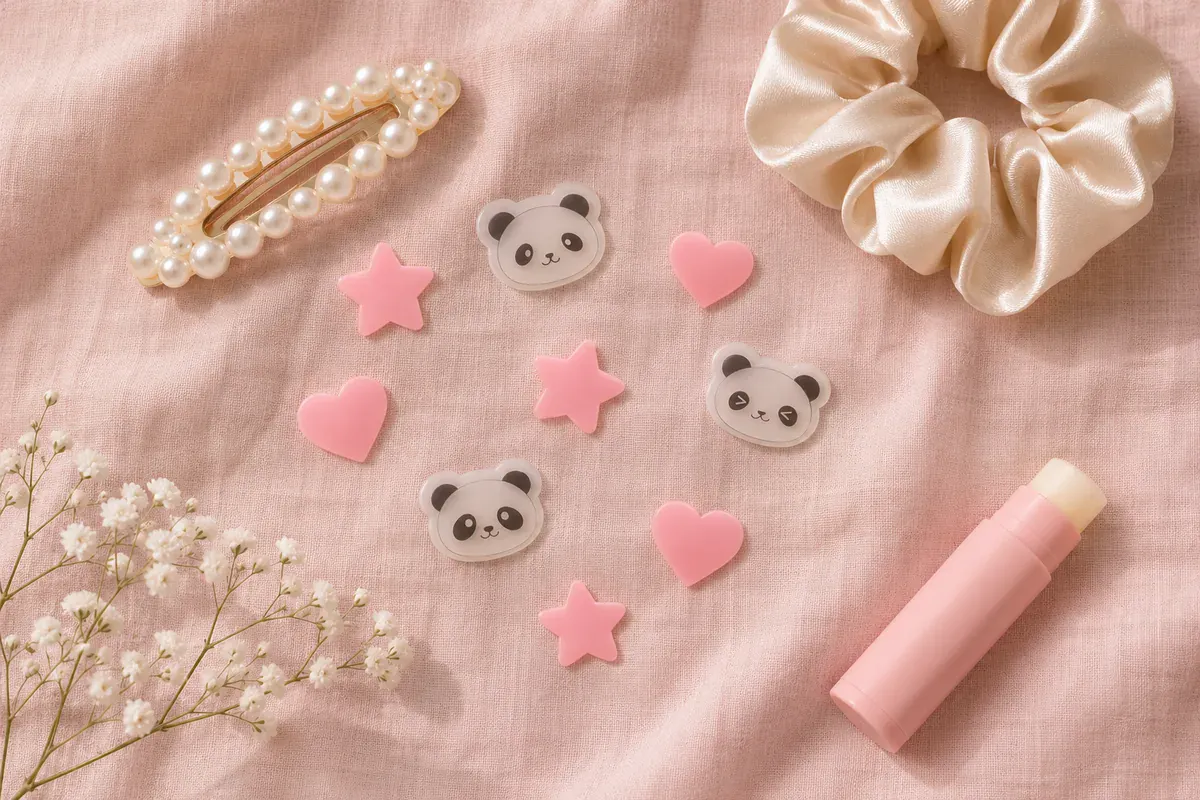
This is the part that surprises a lot of parents: making a pimple patch cute isn't just decoration, it changes behavior. A plain, clinical-looking dot on a child's cheek can feel embarrassing — like wearing a bandage that announces "something is wrong with my face." A patch shaped like a panda face, on the other hand, reads as playful rather than medical. Kids are far more willing to actually wear it (instead of peeling it off in the school bathroom) when it doesn't look like a treatment.
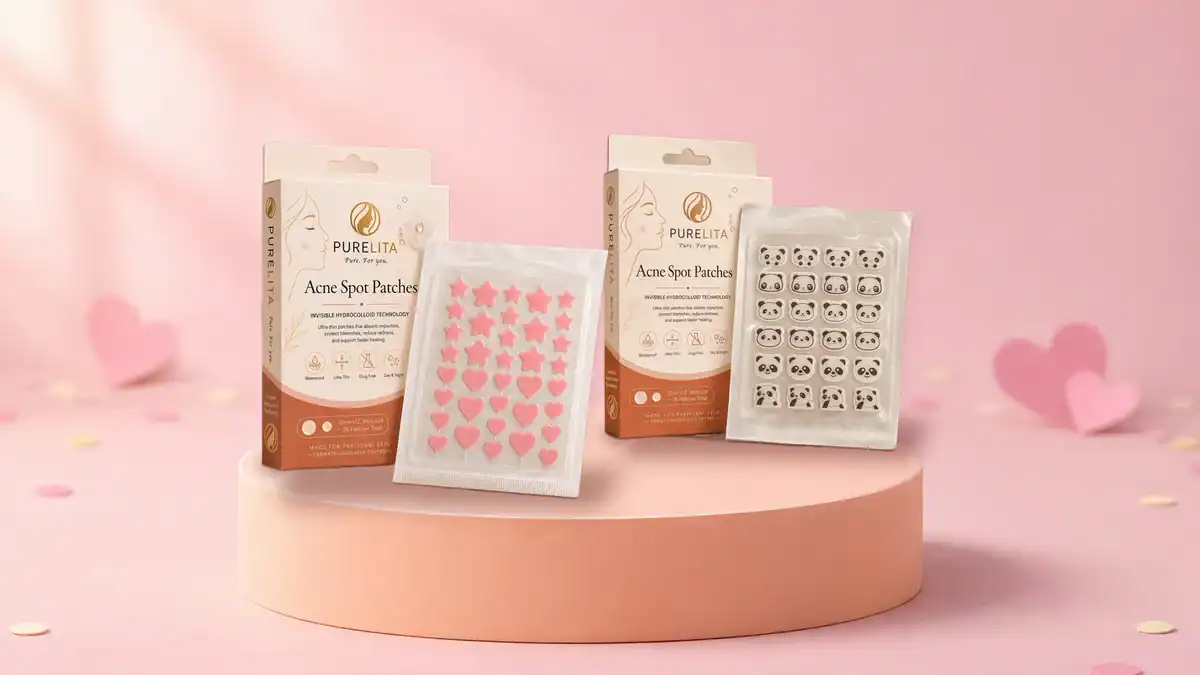
That's the whole idea behind our Panda Hydrocolloid Patches — they're medical-grade hydrocolloid underneath, doing the same absorbing-and-protecting job as any adult spot patch, just shaped like a little panda face on top. Drug-free, gentle, and priced from Rs 1,280, they work well as a genuinely low-pressure first introduction to skincare: not a routine, not a regimen, just a friendly sticker that quietly handles one spot overnight.
If you're weighing hydrocolloid patches against other spot treatments for the family in general, our comparison on hydrocolloid pimple patches vs spot creams is a useful next read, since it applies to both kids and adults.
How to Use a Pimple Patch With a Child: Step by Step
- Wash the area gently. Plain water or a mild, fragrance-free cleanser is enough. Pat dry — the patch needs a clean, dry surface to stick properly.
- Choose the right size. Smaller dots work better on smaller faces. Don't stretch a large patch over a tiny blemish; it won't adhere as well at the edges.
- Press and hold for 10–15 seconds. Body heat helps the adhesive bond, especially around the edges where lifting usually starts.
- Apply at bedtime. Overnight wear means the patch stays undisturbed by hands, hair, and daytime activity, and your child wakes up with it already having done its job.
- Leave it until it turns cloudy or white, then peel gently starting from one edge. If it's still mostly clear after a full night, it can usually be left on a few hours longer.
For a full breakdown of how wear time changes depending on skin type and blemish size, see how long you should leave a pimple patch on.
Comparing Options: What to Actually Put on a Child's Face
Not every acne product is appropriate for a child, even if it's sold as gentle. Here's how the common options stack up specifically for younger, more reactive skin.
| Option | Contains Active Drug Ingredients? | Best For | Kid-Friendly? |
|---|---|---|---|
| Plain hydrocolloid patch (e.g. Panda Hydrocolloid Patches) | No | Whiteheads, healing blemishes, stopping picking | Yes — one of the gentlest options available |
| Medicated acne patch (with salicylic acid) | Yes | Deeper or inflamed acne on older, more acne-prone skin | Usually better suited to teens, not younger kids |
| Benzoyl peroxide spot cream | Yes | Active, red, painful pimples | Can be too strong / drying for young or sensitive skin |
| Multi-step "10-step" skincare kit | Varies, often multiple actives | Not needed for typical childhood skin | Generally not recommended by dermatologists for this age group |
| Toothpaste or home remedies on a pimple | N/A (not formulated for skin) | Nothing — commonly causes irritation | No — avoid entirely |
The pattern here is simple: the gentlest, least "active" option is usually the right starting point for a child, and a plain hydrocolloid patch checks that box better than almost anything else on the shelf.
Can babies and toddlers use pimple patches?
No. Pimple patches are made for teens and adults, and for children old enough to understand not to peel or chew them. Newborn and baby skin gets harmless bumps (baby acne and milia) that clear without treatment, and anything stuck on a baby's face is a choking and swallowing risk. For a baby or toddler with a bump or rash, keep the skin clean and gently moisturised, and ask a paediatrician if it lasts or looks sore.
Expert Tips for Parents
- Start with the patch, not a routine. One spot, one patch, at night. There's no need to build a multi-step system around an occasional pimple.
- Let your child apply it themselves once you've shown them how. Ownership over the small ritual (wash, pat dry, press patch) builds good habits without turning it into a big production.
- Keep a few patches in a school bag or pencil case. Confidence at school matters, and having a discreet, easy fix on hand reduces the urge to pick during the day.
- Normalize the conversation. A simple "everyone gets these sometimes, here's a sticker that helps it heal faster" does more for a child's self-esteem than treating it as a crisis.
- Reassess if breakouts become frequent or painful. Occasional whiteheads are normal; widespread, painful, or cystic breakouts are worth a pediatrician visit rather than a bigger product haul.
Common Mistakes Parents Make With Kids' Skincare
- Reaching for adult-strength acne treatments first. Products formulated for adult acne (higher concentrations of salicylic acid or benzoyl peroxide) can be unnecessarily harsh on a child's still-developing skin barrier.
- Copying a viral routine wholesale. A ten-product regimen seen online is rarely built with a child's skin in mind — it's built for engagement.
- Ignoring the "fun factor." A treatment that feels embarrassing to wear often just gets peeled off. Choosing something a child actually wants to use (like a panda-shaped patch) is a practical decision, not a frivolous one.
- Popping or squeezing the blemish first. This is the single biggest cause of scarring in kids and teens, and it undoes whatever a patch could have done. Our article on whether popping pimples makes acne worse covers exactly why this backfires.
- Assuming every skin bump is acne. Heat rash, insect bites, and irritation can look similar to a pimple. If a patch doesn't help within a couple of days, it's worth a second look rather than repeated patching.
Where This Fits Into the Bigger Skincare Picture
If your household already has an older teen or an adult using pimple patches, it's worth knowing that age does change some of the details — wear time, patch size, and how the surrounding routine looks. We cover those differences in our teen skincare habits guide, which is a helpful companion read if you're managing skincare across siblings or the whole family.
And if a child's occasional pimple turns into a recurring cluster along the jawline or forehead — which sometimes happens as puberty progresses — our guides on hormonal acne on the jawline and chin and forehead acne causes explain what's happening and when it's worth a bit more attention.
A simple skincare routine for kids and pre-teens
Children's skin doesn't need a multi-step routine. Dermatologists generally recommend keeping it to the basics, and adding acne care only when spots appear, usually around puberty.
| Age | Morning | Night | Skip |
|---|---|---|---|
| Under 8 | Rinse with water; sunscreen for outdoor play | Gentle, fragrance-free wash if face is dirty; moisturiser if dry | Serums, acids, retinol, fragranced products, adult skincare |
| 8–12 | Gentle wash, light moisturiser, sunscreen | Gentle wash, moisturiser | Strong acne creams without advice, scrubs, "anti-ageing" products |
| 12+ with spots | Gentle wash, oil-free moisturiser, sunscreen | Gentle wash; pimple patch on any spot with a head | Picking, harsh scrubs, adult retinoids unless a doctor prescribes them |
Pimple patches fit this routine well because they have no active drug: they cover a spot, absorb fluid and stop picking. Teach children to apply them on clean, dry skin and to remove them gently. For older teens, see our teen skincare habits guide. If a child has painful, widespread or scarring acne, or acne before age 8, see a doctor.
Related: Cute Skincare Gifts for Teens That Actually Help Their Skin
Kids who love the star and panda shapes may enjoy why cute skincare design works. For a gentle daily cleanser, see our face wash guide for Pakistan.
Frequently Asked Questions
At what age can a child start using pimple patches?
There's no strict age cutoff for plain, fragrance-free hydrocolloid patches, since they contain no active drug ingredients. Most parents find them appropriate from whenever a child first develops occasional whiteheads, which can be anywhere from age 8 upward. If breakouts appear much earlier than that, check with a pediatrician first.
Do pimple patches contain any medicine that could be unsafe for kids?
Plain hydrocolloid patches, like Panda Hydrocolloid Patches, do not. They work by absorbing fluid and creating a protective barrier, with no salicylic acid, benzoyl peroxide, or other active drug ingredients involved. Some patches add extras like tea tree oil or acids, including our own Star & Heart patches, which contain tea tree oil and centella. For younger, more sensitive skin, stick to plain patches like our Panda or Hydrocolloid Pimple Patches.
Can my child wear a pimple patch to school?
Yes. Patches are thin, low-profile, and designed to stay put during normal daily activity. A decorative design like a panda face tends to make kids more comfortable wearing one in public compared to a plain, medical-looking dot.
How long should a pimple patch stay on a child's skin?
Overnight wear (4–6 hours) is typically enough for a patch to absorb fluid and turn cloudy or white. If it's still clear in the morning, it can be left on a few more hours. Once it starts lifting at the edges, it's time to replace it.
Will pimple patches stop my child from getting acne in the future?
No single product prevents acne, since breakouts are driven by hormones and oil production that a topical patch can't change. What patches do reliably help with is protecting an existing blemish from picking and speeding up how tidy it looks while healing — which matters a lot for a child's confidence day to day.
Are decorative patches like the panda design just as effective as plain ones?
Yes, as long as the core material is medical-grade hydrocolloid. The panda shape is cosmetic — the patch underneath does the same absorbing and protecting job as any plain dot. The main practical benefit of the fun design is that kids are more willing to actually keep it on.
Teens vs Adults: Does Age Actually Change Anything?
The patch itself works identically regardless of age — hydrocolloid doesn't know how old the skin under it is. What changes is context. Teen skin tends to run oilier and produce more frequent, smaller breakouts, so a pack with more patches at the smaller 8mm size tends to go further. Adult acne is often fewer, larger, more inflamed spots (especially hormonal breakouts along the jawline), which is where the larger 12mm size earns its place. If you're buying for a teenager specifically, a mixed-size pack is the safer starting point since their skin is still figuring out its pattern.
The Bottom Line
Kids don't need a skincare routine. Most of them need, at most, a gentle cleanser and — when a pimple actually shows up — one simple, low-risk tool to protect it while it heals. A hydrocolloid patch does exactly that job without introducing actives, fragrances, or anything a young, developing skin barrier doesn't need.
Making that one tool something your child actually wants to use is what turns "please stop picking at your face" into a habit that sticks. If you're looking for a gentle, drug-free first step, the Panda Hydrocolloid Patches are designed for exactly this moment — cute enough that kids reach for them on their own, and effective enough that parents don't have to worry about what's underneath. You can browse the full range of gentle patch options in our Decorative Patches collection if you want a few different designs on hand.