}%3C/style%3E%3ClinearGradient id='id0' gradientUnits='userSpaceOnUse' x1='21.96' y1='13.35' x2='18.7' y2='40.98'%3E%3Cstop offset='0' stop-color='%23D0AD83'/%3E%3Cstop offset='1' stop-color='%23E8C094'/%3E%3C/linearGradient%3E%3C/defs%3E%3Cpath class='fil0' d='M5.56 30.86l.02.03-.02-.03zm20.01-29.98l0-.02-.02.01.02 0c.03.04.12.1.17.14.32.24.85.71 1.11 1 .03.04.04.05.07.09.39.4.81 1.02 1.1 1.51.13.23.05.01.22.26.46.66.95 1.42 1.32 2.11l.23.43c.08.15.14.29.22.44.94 1.87 1.56 3.84 1.93 5.9.07.37.12.75.17 1.13l.14 1.82c0 .1.02.18.02.31l0 .97c-0 .1-.02.18-.02.31l-.12 1.51c-.15 1.24-.32 2.07-.66 3.27-.22.77-.63 1.87-.99 2.59l-.82 1.46c-.34.51-.56.84-.95 1.34-.05.07-.09.12-.15.18l-.6.71c-.03.03-.05.05-.08.08-.17.19-.35.4-.54.59l-.97 1c-.08.05-1.05 1.04-1.22 1.21-.22.21-.46.52-.66.74-.06.07-.11.13-.16.2-.7.94-1.15 1.89-.73 3.16.11.31.16.43.31.72.18.34.36.54.62.8.04.04.16.14.18.18-.07 0-.17.04-.24.06-.09.03-.16.04-.25.06-.58.14-.91.21-1.53.29-1.36.18-2.89-0-3.99-.75-.16-.11-.46-.32-.6-.45-.03-.03-.05-.05-.08-.08-.58-.48-1.23-1.49-1.49-2.15-.05-.13-.11-.3-.15-.46-.14-.6-.13-1.06.01-1.62.12-.49.43-.99.78-1.34l.16-.15c.38-.36.89-.6 1.41-.73.08-.02.2-.04.26-.06.21 0 .4-.05.67-.03.08 0 .17-.01.24 0 .31.03.56.09.82.16.13.04.24.08.37.13l.34.15c.24.11.43.25.71.29.54.08 1.1-.13 1.36-.59.26-.46.2-1.05.39-1.6.17-.5.42-.89.69-1.28.25-.37.15-.27.55-.43.22-.09.47-.23.63-.37.14-.12.38-.37.32-.64-.11-.59-.89-.85-1.34-1.14-.11-.07-.19-.13-.26-.25 1.4-.33 2.41.32 2.6-.85.03-.18-.01-.37-.08-.48-.06-.09-.19-.18-.27-.3-.16-.24-.21-.61-.06-.91.18-.36.47-.46.79-.64.07-.04.12-.07.19-.1.23-.11.44-.24.67-.36l-1.97 9.61 1.97-9.61c.15-.08.31-.16.47-.22.75-.3.75-.83.43-1.44-.03-.06-.06-.11-.11-.17-.12-.14-.23-.28-.33-.43l2.51-12.26-2.51 12.26c-.13-.19-.26-.38-.39-.57-.04-.07-.07-.11-.11-.18-.15-.23-.29-.48-.42-.73-.38-.75-.66-1.55-.77-2.39-.14-1.05.03-1.88.33-2.77.09-.28.17-.63.22-.93.1-.51.18-.98.2-1.52.01-.17.03-.35.03-.54l-.05-1.67c-.05-.39-.07-.59-.17-.98-.21-.86-.6-1.64-1.08-2.37l-.36-.49c-.22-.27-.44-.52-.68-.76l-.45-.4c-1.12-.91-2.29-1.46-3.74-1.75-.52-.1-1.05-.11-1.61-.11-1.95 0-4.18.31-5.99.91-.15.05-.29.09-.43.14l-.84.31c-.13.05-.27.11-.41.16-.97.4-1.94.91-2.83 1.47-.06.04-.12.07-.18.11l-.51.34c-.07.04-.11.08-.17.12-.12.08-.22.16-.34.24l-.48.37c-.06.05-.11.09-.17.13-.29.23-.57.48-.85.73l-.22.2c-.13.1-.34.31-.45.42-.09.09-.2.19-.29.29l-.48.52c-.24.29-.49.56-.73.85-.05.06-.09.11-.13.16-.08.11-.17.21-.25.32l-1.16 1.71-.52.91c-.31.57-.59 1.16-.83 1.76-.05.13-.11.27-.16.41-.05.14-.11.27-.16.42-.05.14-.09.31-.15.44-.02.07-.04.14-.07.21-.31.93-.66 2.46-.77 3.43-.02.16-.04.34-.06.5-.03.28-.05.76-.08 1.03-.01.09 0 .19-0 .28-.03.39-.01.97-.02 1.38l.04.8c.01.07.02.21.02.27.02.34.06.68.11 1.01.18 1.3.44 2.4.85 3.64.02.07.05.13.07.21.03.08.04.14.07.21.28.72.48 1.26.84 1.97.3.61 1.01 1.88 1.44 2.47l.24.34c.27.39.55.74.85 1.1l.65.75.98.99c.42.42 1.57 1.36 2 1.65.06.04.11.07.16.12.51.38 1.67 1.08 2.25 1.38.13.07.26.12.38.19-.01-.04-.26-.31-.32-.37-.03-.03-.04-.04-.07-.08-.61-.77-.75-.99-1.28-1.87l-.8-1.48c-.03-.06-.06-.13-.09-.19-.1-.21-.29-.57-.37-.77l-.27-.6c-.32-.74-.55-1.25-.81-2.05-.22-.65-.34-1.11-.5-1.79-.09-.37-.29-1.59-.29-1.99l-.03-.55c-.03-.19.02-1.11.05-1.37.01-.07.03-.2.03-.27.01-.33.2-1.15.28-1.47.04-.15.08-.32.13-.46.1-.29.19-.58.3-.86.12-.29.23-.55.36-.83.06-.13.13-.26.2-.38l.21-.38c.67-1.13 1.01-1.58 1.82-2.59.13-.16.28-.31.41-.48l.84-.92c.28-.28.93-.97 1.18-1.17.1-.08.44-.44.61-.57.05-.04.1-.1.15-.15.27-.26.67-.59.93-.85l.92-.84c.06-.06.1-.08.16-.14l1.97-1.84c.05-.05.1-.08.16-.14.2-.2.39-.39.59-.59l.85-.9c.18-.18.64-.72.82-.94.18-.23.35-.43.52-.66.63-.84 1.4-1.98 1.69-3.01.16-.58.17-1.24-.01-1.82-.02-.07-.06-.15-.08-.22.52.12.98.24 1.45.47l.41.24c.26.17.48.36.7.58.69.7 1.08 1.64 1.19 2.68.09.82.04 1.65-.15 2.34-.2.69-.41 1.29-.68 1.9-.27.6-.58 1.15-.92 1.68-.04.07-.08.12-.12.19l-.4.57c-.22.31-.47.6-.72.89-.03.03-.05.05-.08.08-.03.04-.04.05-.08.09l-.31.34c-.04.05-.1.11-.15.16-.03.03-.05.05-.08.08l-.82.79c-.04.04-.05.04-.09.07l-.17.16c-.23.23-.79.68-1.06.88l-1.73 1.33c-.03.02-.06.04-.09.07-.06.05-.11.09-.17.14l-2.04 1.69c-.03.03-.05.05-.08.08-.04.03-.05.04-.09.07-.03.03-.05.05-.08.08-.03.03-.05.03-.08.07l-1.4 1.36c-.06.06-.09.11-.16.17-.2.2-.58.61-.76.85-.05.07-.1.11-.15.18l-.28.36c-.09.12-.18.24-.28.36l-.41.56c-.23.32-.43.66-.63 1-.08.14-.15.29-.23.42-.1.22-.26.51-.35.74-.1.25-.24.55-.32.8-.22.68-.32.99-.45 1.75-.21 1.22-.15 2.79.2 3.97.06.2.11.38.17.57.06.18.13.35.2.53l.23.51c.12.24.22.48.37.73.29.52.51.86.88 1.32l.34.4c.13.13.38.44.54.56.13.1.38.35.58.52.46.36 1.01.78 1.54 1.04.22.11.34.18.61.31.04.02.07.04.12.06.84.35 1.67.64 2.59.73l.49.05c.06 0 .13-0 .2 0 .2.02.48.03.71.03.13-0 .2.02.33.02l.02 0 1.08-.02c.08 0 .11-.01.17-.01.06-.01.12-0 .18-0l1.03-.09c.23-.03.43-.05.66-.08 1.69-.25 3.34-.7 4.89-1.37.32-.14.95-.42 1.25-.59.44-.24.75-.4 1.18-.66.43-.26.93-.58 1.34-.88.07-.05.13-.1.21-.15l.42-.32c.14-.11.27-.22.41-.33l.98-.86c.07-.07.12-.12.19-.19l.19-.17c.07-.07.12-.12.19-.19l.36-.38c0-0 .01-.01.01-.01 0 .01.01-.01.01-.02.23-.26.5-.53.72-.82.33-.42.55-.69.87-1.13.03-.05.05-.07.08-.12.4-.55.68-1.04 1.02-1.61.05-.09.09-.17.14-.25.03-.05.04-.08.07-.13.12-.22.24-.43.34-.66.08-.18.18-.36.26-.54l.47-1.14.41-1.2c.2-.73.32-1.11.48-1.91.12-.61.26-1.46.31-2.11l.08-1.53c.02-.27-.02-.53-.02-.79 0-.79-.15-2.18-.29-2.93-.33-1.71-.62-2.71-1.29-4.32-.17-.4-.38-.85-.58-1.23-.25-.48-.53-.95-.81-1.41l-.64-.97c-.31-.42-.62-.85-.96-1.24l-.86-.97c-.1-.12-.28-.29-.4-.41-.07-.07-.13-.13-.2-.2l-.94-.85c-.04-.03-.08-.06-.12-.1-.61-.54-1.67-1.28-2.34-1.68-.22-.13-.66-.4-.88-.51l-.67-.34c-.09-.05-.17-.08-.26-.13-.05-.03-.08-.04-.13-.06-.05-.02-.09-.04-.15-.07l-1.42-.58c-.16-.06-.8-.29-.91-.3zm-23.04 13.42c.01-.08.09-.29.12-.39.05-.14.08-.26.14-.39.05-.13.09-.24.14-.37.05-.12.1-.24.15-.37l1.03-2.08.59-.95c.07-.1.14-.21.21-.31.08-.1.14-.2.22-.31l.45-.59c.08-.1.15-.19.23-.29l.59-.69c.05-.05.08-.08.13-.14.11-.14.28-.26.39-.4.1-.14.64-.6.8-.76.57-.57 1.87-1.49 2.52-1.9l1.85-1.01c.07-.03.11-.05.18-.08.6-.28 1.22-.52 1.85-.73.34-.11.68-.2 1.02-.3.07-.02.14-.04.21-.05.14-.03.28-.07.41-.1.81-.17 2.51-.5 3.2-.29.24.08.48.2.64.4.19.24.27.45.25.79-.04.78-.71 1.78-1.18 2.45-.28.4-.57.8-.9 1.17l-.24.29c-.11.14-.26.27-.36.41-.04.06-.08.08-.13.14-.05.05-.06.08-.11.13l-.63.67c-.14.14-1.13 1.12-1.33 1.28-.13.11-.27.25-.4.38l-1.02.93c-.03.02-.04.03-.07.06l-.68.62c-.26.25-.55.48-.8.74-.2.2-.47.42-.68.63l-.4.37c-.09.09-.17.17-.26.26l-1.04 1.03c-.26.26-.5.54-.76.8-.05.05-.07.09-.12.14-.05.05-.07.09-.12.14l-.36.41c-.04.05-.08.1-.12.14-.23.29-.47.57-.69.87l-.33.45c-.25.36-.5.73-.72 1.1-.29.48-.59 1-.8 1.53l-.37.92c-.05.13-.09.26-.13.39-.13.39-.25.82-.33 1.23-.01.07-.07.4-.09.43l-.07.5c-.02.16-.03.33-.06.5-.05.34-.05 1.27-.04 1.64.01.47.09 1.07.15 1.54.05.32.11.64.17.95.18.91.41 1.55.69 2.4.02.06.07.17.07.22-.13-.09-.8-1.09-.97-1.33-.05-.07-.09-.13-.14-.21l-.55-.94c-.03-.04-.04-.06-.06-.1-.14-.27-.34-.62-.44-.89-.03-.08-.07-.15-.11-.22-.07-.16-.14-.3-.2-.47-.28-.7-.49-1.24-.69-1.97-.18-.63-.4-1.52-.48-2.18-.03-.21-.14-.97-.15-1.18-0-.19-.04-.42-.05-.61-.01-.2-.04-1.12-.02-1.28.01-.12-0-.35 0-.49 0-.08.01-.08.02-.16.01-.43.05-.83.1-1.23.1-.89.34-2.16.62-3.02.03-.09.05-.18.08-.26zm30.14 17.97c-.08.05-.49.49-.61.6-.04.03-.05.03-.08.07l-.24.22c-.12.13-.52.44-.66.56-.2.18-.82.63-1.04.78l-1.11.71c-.13.08-.25.15-.38.22l-.8.42c-.63.26-1.26.52-1.9.09-.34-.23-.62-.72-.72-1.11-.16-.67.18-1.29.56-1.79l.86-.97c.09-.09 1.17-1.16 1.22-1.23.08-.05.42-.41.52-.51l.89-.95c.03-.03.03-.04.06-.07.41-.44 1.15-1.41 1.44-1.84l.42-.63c.4-.61.97-1.74 1.24-2.42.65-1.61 1.09-3.23 1.32-4.97l.13-1.19c.02-.24.05-.48.05-.74 0-.1.02-.14.02-.25-0-.09-0-.18-0-.26 0-.1.02-.14.02-.25-0-.2.01-.63-.01-.78-.02-.16.01-.35-.01-.51-.02-.13-.02-.37-.02-.5-.02-.65-.26-2.29-.36-2.8l-.39-1.71c-.12-.4-.23-.83-.36-1.22-.05-.14-.09-.26-.14-.39-.21-.64-.68-1.8-.99-2.42-.06-.11-.24-.46-.26-.53l.32.27c.03.03.05.05.07.07.04.03.05.03.08.07l.38.36c.17.14.37.34.53.51.03.04.04.05.07.08l.5.54c.76.9 1.53 1.89 2.1 2.93l.61 1.16.7 1.66c.31.78.6 1.98.76 2.78.12.61.24 1.49.27 2.11 0 .07.01.06.02.13 0 .05-0 .1 0 .15 0 .09.02.16.02.28-0 .28.04.91.01 1.16l-.02.57c0 .12-.02.17-.02.28-0 .08-.01.19-.02.28-.02.17-.04.37-.06.53-.15 1.16-.36 2.32-.74 3.4-.03.08-.04.15-.07.22-.03.07-.05.14-.08.22-.13.4-.49 1.29-.69 1.69-.38.74-.69 1.39-1.16 2.09-.15.23-.31.48-.48.71l-.77 1c-.03.03-.04.05-.07.08-.03.03-.03.05-.07.08l-.85.94z'/%3E%3Cpath class='fil1' d='M160.98 4.67l.07 0c.02.09.06.17.08.26l.26.8c.8 2.4 1.57 4.83 2.37 7.22.03.09.06.2.09.27l-5.7 0 2.83-8.56zm-8.41 16.49l3.2 0 1.76-5.3 7.04-0c.04.16.58 1.67.68 1.98l.8 2.32c.04.11.07.22.11.33.04.11.07.21.11.33.02.06.04.11.06.17.02.04.04.12.06.17l3.43 0c-.01-.06-.03-.09-.05-.15l-.58-1.67c-.19-.58-.43-1.23-.64-1.81-.07-.21-.13-.41-.21-.61-.13-.32-.3-.86-.42-1.21l-.85-2.43c-.26-.79-.58-1.63-.85-2.42-.07-.21-.13-.4-.21-.61-.13-.35-.28-.86-.42-1.22-.08-.2-.14-.4-.21-.61-.07-.21-.14-.39-.21-.61-.33-.98-.74-2.05-1.06-3.03l-1.07-3.04-4.01 0-6.05 18.18c-.07.2-.13.4-.2.6l-.21.61z'/%3E%3Cpath class='fil2' d='M90.6 11.23l-4.4 0 0-7.92 3.89 0c1.23 0 2.59.12 3.59.73.71.43 1.12 1.16 1.27 1.97.16.88.09 2.02-.19 2.87-.15.46-.42.92-.76 1.26-.39.39-.94.68-1.48.83-.56.16-1.21.26-1.91.26zm-6.18 9.92l1.77 0 0-8.36 5.04 0c.06 0 .12.14.16.23l.44.79c.05.09.09.16.14.25l.29.53c.24.47.64 1.1.88 1.57.05.09.1.17.15.26l2.34 4.2c.1.17.2.35.29.53l1.95 0-.91-1.65c-.17-.33-.56-1.01-.76-1.37-.05-.1-.1-.18-.15-.27-.17-.33-.43-.76-.62-1.11-.23-.44-.54-.95-.76-1.37-.05-.09-.1-.18-.15-.27-.05-.1-.1-.18-.15-.27-.29-.54-.62-1.1-.91-1.65-.05-.1-.1-.18-.15-.27-.05-.1-.11-.18-.15-.27-.03-.07-.14-.23-.15-.3.08-.02.15-.04.22-.06.07-.03.13-.05.2-.07.51-.2 1.03-.46 1.47-.8.14-.11.51-.42.6-.53.48-.57.79-.93 1.07-1.77.28-.84.33-1.38.33-2.33 0-1.16-.39-2.28-1.05-3.09-.42-.52-.95-.91-1.55-1.21-.96-.48-2.27-.71-3.45-.71l-6.44 0 0 19.4z'/%3E%3Cpolygon class='fil1' points='139.06 4.39 144.87 4.39 144.87 21.16 148.01 21.16 148.01 4.39 153.77 4.39 153.77 1.76 139.06 1.76'/%3E%3Cpolygon class='fil1' points='118.34 21.16 130.06 21.16 130.06 18.49 121.48 18.49 121.48 1.76 118.34 1.76'/%3E%3Cpath class='fil2' d='M65.11 14.98c0 .76.14 2.13.44 2.88.1.25.12.32.24.58l.14.27c.23.46.55.82.9 1.18.29.29.6.49.95.71.5.3 1.24.53 1.82.66 1.2.27 2.65.27 3.86.12.39-.05 1.03-.18 1.39-.3.22-.07.42-.14.62-.22.67-.27 1.58-.85 2-1.4.03-.04.06-.07.1-.11.38-.49.62-.85.86-1.49.31-.81.5-1.79.5-2.9l0-13.21-1.81 0 0 13.22c0 1.38-.31 2.8-1.24 3.72-.86.86-2.2 1.19-3.87 1.19-.81 0-1.6-.1-2.22-.3-.94-.3-1.82-.92-2.26-1.81-.04-.08-.07-.14-.1-.21-.19-.39-.37-1.03-.43-1.48-.05-.36-.1-.75-.1-1.17l0-13.17-1.81 0 0 13.22z'/%3E%3Cpath class='fil2' d='M54.11 12.17l-3.53 0 0-8.85 3.5.02.92.05c.67.07.99.1 1.65.27.18.05.32.09.49.15.08.03.16.06.22.09.36.16.7.36.97.64.8.8.97 1.86.97 3.09 0 .82-.13 1.48-.34 2.09-.25.72-.85 1.45-1.54 1.8-.04.02-.06.03-.1.05-.83.45-2.2.61-3.22.61zm-5.31 8.98l1.77 0 0-7.39 3.45 0c.55 0 1.08-.04 1.58-.1.84-.09 1.88-.35 2.63-.72.38-.19.72-.4 1.04-.65 1.23-1 1.92-2.58 1.92-4.81 0-1.22-.28-2.61-.96-3.52-.11-.14-.21-.29-.34-.42-.12-.11-.22-.25-.38-.37-.34-.27-.29-.23-.65-.47-.33-.22-.92-.44-1.3-.57-.36-.12-.82-.21-1.23-.27-.43-.06-.93-.1-1.41-.1l-6.11 0 0 19.4z'/%3E%3Cpolygon class='fil2' points='101.38 21.16 112.61 21.16 112.61 19.6 103.18 19.6 103.18 12.11 111.76 12.11 111.76 10.51 103.18 10.51 103.18 3.32 112.35 3.32 112.35 1.76 101.38 1.76'/%3E%3Cpolygon class='fil1' points='133.29 21.16 136.43 21.16 136.43 1.76 133.29 1.76'/%3E%3Cg class='fil2'%3E%3Cpath d='M52.86 30.09l-.31-.02c-.1-.01-.16-.03-.25-.03l.36-3.25.61.05c.28.04.62.14.84.28.14.09.18.13.29.25.07.08.08.08.15.2.26.48.24 1.16.03 1.65-.27.63-.98.87-1.72.87zm-3.96.16c.07-.04.12-.1.21-.17.07-.06.14-.12.21-.19.04-.04.06-.04.1-.08.06-.06.27-.23.31-.28-.03-.14-.21-.35-.21-.92 0-.56.35-1 .79-1.24.15-.08.35-.18.51-.24.07-.03.12-.04.2-.07.27-.09.52-.14.81-.21l-.1.87c-.03.29-.07.58-.1.89-.06.58-.12 1.17-.2 1.76-.1.79-.11 1.73-.66 2.28-.19.19-.18.17-.31.15-.15-.02-.3-.04-.44-.05-.05.07-.1.09-.16.15l-.5.49.43.03c.07.01.15 0 .23 0 .15 0 .45.03.66.03l.87.05c.21.02.19-.02.32-.14.08-.08.15-.14.24-.22.05-.05.2-.18.22-.24l-.49-.02c-.08-0-.08-.01-.16-.02-.22-.01-.44-.03-.66-.03.01-.01.4-.22.55-.32.44-.3.48-.64.58-1.16l.1-.77c.09-0 .23-.03.33-.03.2-.02.42-.07.61-.11.11-.03.19-.06.29-.09.38-.1.89-.4 1.19-.64.24-.19.44-.42.6-.68.1-.17.05-.1.12-.24.18-.37.21-.91.1-1.33-.25-.87-1.36-1.14-2.2-1.14-.88 0-1.37.01-2.22.3-.25.08-.47.19-.69.32-.14.08-.32.19-.44.29-.28.23-.39.31-.63.63-.23.31-.37.65-.45 1.04-.03.15-.04.3-.05.46-.02.16.05.76.11.88z'/%3E%3Cpath d='M83.23 30.26c.08-.02.64-.61.73-.68.05-.04.07-.06.11-.11-.03-.12-.23-.41-.23-.85 0-.92.66-1.29 1.4-1.46.25-.06.58-.07.89-.07l-.1.84c-.03.29-.05.57-.09.86-.04.29-.06.56-.09.84l-.2 1.69c-.08.54-.24 1.11-.68 1.45-.08.06-.08.04-.19.03-.14-.01-.29-.04-.43-.05l-.49.48c-.06.06-.12.09-.17.16.18 0 .44.03.66.03.1 0 .13.02.23.02l.66.03c.19.01.44-0 .68.03.22.03.21-.01.34-.13.07-.07.44-.38.46-.47l-.53-.02c-.25-.01-.59-.05-.85-.05.1-.09.74-.27.99-.88.23-.57.19-1.22.28-1.6.26 0 .6-.02.85 0 .58.05.99.1 1.43-.27.15-.12.33-.29.43-.44l-.65.09c-.54.07-1.42.04-1.99.04l.3-2.69 1.1-0c.09 0 .11.02.21.02.08 0 .15-0 .23-0 .1-0 .13.02.21.02 1.16.03.8.54.79.89.32 0 .36-.19.48-.47.12-.26.32-.85.42-1.07-.25 0-.74.05-.99.05-.1-0-.26-.01-.36 0-.26.04-1.9.01-2.42.01-.14 0-.23.01-.35.02-.2.01-.44.04-.63.08-.19.03-.39.09-.56.14-.09.03-.16.06-.25.1-.16.07-.41.21-.56.31-.61.46-1.02 1.04-1.15 1.83-.03.21-.04.44-.03.65.02.35.09.45.1.61z'/%3E%3Cpath d='M110.58 31.4l0 .01c0-0-.01-0-0-.01zm-3.84-1.76c0 .11.07.19.15.21.01-.06.04-.08.07-.14.12-.25.38-.59.68-.6.25-.01.3.51.3.75 0 .08.02.1.02.2 0 .07-0 .14-0 .21 0 .09.02.1.02.2.01.44.04.82.05 1.23 0 .13.04.41.03.61-0 .34.07 1.22.51 1.22.32 0 .48-.15.73-.37l.69-.8c.08-.1.14-.19.21-.3l.38-.62c0 .11-.37 1.93-.39 2.04-.13.72-.26 1.28-.49 1.96-.14.41-.34.86-.68 1.14-.15.13-.13.13-.36.25-.3.15-.58.2-.99.22-.16.01-.42-.04-.55-.06l-.35-.1c-.04-.02-.07-.03-.12-.05l-.64.69c.16.08.6.16.79.16.78-0 1.54-.26 2.15-.72.16-.12.5-.4.62-.56.05-.07.1-.09.17-.19l.17-.21c.07-.1.13-.18.19-.29.69-1.1.94-2.86 1.19-4.1.14-.71.32-1.7.49-2.38l.16-.57c.02-.06.05-.11.06-.18-.06.03-.15.05-.22.08l-.46.16c-.07.03-.16.07-.24.08-0 .14-.25 1.3-.28 1.41-.17.59-.37.96-.66 1.44-.06.1-.1.17-.17.26-.17.23-.6.83-.93.74-.25-.07-.25-.79-.28-.98-.01-.06-.01-.11-.01-.2 0-.1-.01-.12-.02-.2-.02-.28-.02-.54-.03-.82l-.02-.39c-.01-.08-.01-.12-.01-.2-0-.09-.02-.1-.02-.2-0-.22-.06-.57-.11-.74-.17-.56-.66-.48-1.04-.2-.21.16-.77.61-.77.92z'/%3E%3Cpath d='M61.43 28.76c0 .19-.19 1.37-.22 1.5-.1.4-.19.59-.37.93-.1.19-.39.62-.53.78-.27.32-.56.64-.96.78-.1.03-.24.07-.35.02-.13-.05-.14-.23-.14-.37 0-.69.17-1.71.23-2.45.03-.41.3-1.44-.33-1.45-.28-0-.57.24-.77.4-.05.04-.08.08-.13.12-.05.04-.07.06-.12.11-.16.16-.57.61-.42.84.02.04.03.05.08.07.01-.06.11-.21.14-.27.13-.22.39-.6.68-.6.15 0 .16.17.16.3 0 .29-.19 2.1-.24 2.44-.02.14-.03.26-.04.4-.03.39-.16 1.22.43 1.22.51 0 .92-.35 1.27-.65.04-.03.05-.03.08-.07.05-.05.09-.1.15-.15.21-.16.74-.81.91-1.06l.1-.15c.02-.03.01-.01.02-.03 0 .38-.34 1.61-.12 1.95.2.31.66.11.89-.06.19-.14.22-.19.39-.35.14-.13.59-.71.59-.87 0-.08-.09-.16-.16-.16-.05.2-.42.86-.79.94-.15.03-.19-.05-.2-.2l.36-2.7c.04-.26.07-.51.12-.75.02-.12.05-.23.07-.35.01-.06.03-.13.04-.17.01-.07.04-.13.04-.19-.16.04-.62.23-.84.28z'/%3E%3Cpath d='M124.41 28.76c0 .19-.19 1.37-.22 1.5-.06.23-.13.45-.23.64-.05.1-.09.19-.14.28-.28.54-.92 1.37-1.49 1.56-.35.12-.5.01-.5-.35 0-.69.17-1.71.23-2.45.03-.41.3-1.44-.33-1.45-.28-0-.57.24-.77.4-.22.17-.84.79-.67 1.07.02.04.03.05.08.07.01-.06.04-.09.06-.13.15-.25.42-.74.76-.74.15 0 .16.17.16.3l-.11 1.22c-.05.39-.08.8-.13 1.21-.05.34-.07.68-.07 1.03 0 .32.15.59.46.59.51 0 .92-.35 1.27-.65l.23-.21c.11-.09.44-.46.55-.59.18-.22.29-.39.45-.61 0-0 0-.01.01-.01l.03-.04c0 .11-.04.28-.05.39-.06.39-.24 1.29-.07 1.55.24.37.84.03 1.09-.22.19-.2.78-.82.78-1.06 0-.08-.09-.16-.16-.16-.05.2-.42.86-.79.94-.27.06-.19-.29-.18-.4.01-.34.29-2.13.34-2.5.08-.56.12-.77.23-1.28.01-.07.04-.13.04-.19-.16.04-.62.23-.84.28z'/%3E%3Cpath d='M93.54 32.95c-.74 0-.97-.73-.97-1.48 0-.45.01-.72.14-1.14.09-.3.18-.48.35-.73.06-.09.13-.17.2-.24.19-.17.41-.27.7-.27 1.07 0 1.04 1.66.86 2.44-.06.26-.14.45-.25.66-.2.4-.56.76-1.05.76zm-1.76-1.07c0 .46 0 .84.26 1.23.39.59 1.32.47 1.84.13.53-.33.97-.84 1.29-1.38.42-.69.66-1.6.48-2.43-.03-.16-.08-.27-.14-.4-.12-.25-.33-.41-.61-.49-.64-.17-1.27.17-1.62.46-.4.34-.72.74-.99 1.19-.23.39-.51 1.06-.51 1.68z'/%3E%3Cpath d='M115.95 32.95c-.74 0-.97-.73-.97-1.48 0-.41 0-.58.09-.98.01-.07.03-.11.04-.17l.11-.31c.11-.23.09-.2.24-.42.06-.09.13-.17.2-.24.19-.17.41-.27.7-.27 1.07 0 1.04 1.66.86 2.44-.07.32-.23.68-.42.93-.2.27-.49.49-.88.49zm-1.76-1.07c0 .46 0 .84.26 1.23.34.51 1.09.49 1.59.26.8-.36 1.45-1.24 1.8-2.01.33-.74.57-2.51-.53-2.81-1.5-.41-3.12 1.85-3.12 3.33z'/%3E%3Cpath d='M71.83 31.06c-.17 0-.17-.02-.3-.05.01-.38.24-1.04.48-1.36.22-.29.45-.5.85-.47.1.01.15.02.22.05.44.18.35.92-.02 1.3-.3.3-.71.53-1.23.53zm-1.07.85c0 .46.03.83.32 1.18.44.54 1.07.54 1.64.24.26-.13.32-.21.52-.36l.32-.32c.11-.11.45-.52.45-.67 0-.1-.07-.19-.15-.21-.04.18-.32.54-.47.69-.43.43-1.19.61-1.6.08-.1-.13-.14-.24-.19-.4-.04-.13-.08-.35-.08-.51.05-0 .19-.05.23-.06.25-.08.43-.17.66-.28.18-.09.4-.24.56-.36l.75-.8.11-.2c.08-.15.13-.3.16-.47.06-.33.06-.73-.27-.89-.43-.21-1 .07-1.34.34-.09.07-.16.14-.24.22-.04.04-.07.07-.12.11-.48.49-.9 1.23-1.11 1.88-.06.19-.13.54-.13.79z'/%3E%3Cpath d='M64.83 29.86c0 .04.05.16.15.18.03-.13.21-.41.29-.53.1-.13.26-.32.48-.34.14-.01.16.09.18.22.03.22-.06.86-.09 1.12-.03.24-.06.49-.08.74-.02.24-.06.49-.08.74-.02.35-.16 1.22-.16 1.5l.72-.24c.04-.03.04-.03.05-.12l.03-.27c.07-.7.1-1.32.4-1.97.02-.05.04-.09.06-.13.03-.06.04-.09.07-.14.27-.45.22-.4.57-.81.11-.13.18-.19.32-.29.19-.13.36-.19.59-.17.24.02.22.06.33.08.07-.1.1-.12.18-.2.04-.04.04-.06.08-.1l.18-.2c.05-.05.25-.25.27-.31-.05-.01-.07-.02-.11-.04-.04-.02-.08-.03-.13-.04-.25-.07-.54-.05-.78.04-.31.12-.52.3-.73.53-.31.33-.59.69-.8 1.09l-.24.41c.01-.29.15-1.07.15-1.53 0-.75-.55-.69-1.06-.29l-.49.45c-.13.15-.34.41-.34.61z'/%3E%3Cpath d='M97.88 29.86c0 .04.05.16.15.18.03-.13.21-.41.29-.53.1-.13.26-.32.48-.34.14-.01.16.09.18.22.04.25-.13 1.5-.17 1.86l-.21 1.84c-.01.13-.04.27-.04.39l.58-.2c.21-.07.18.01.23-.43.01-.13.02-.23.04-.36.06-.55.07-.8.25-1.33.03-.09.07-.19.11-.28.2-.45.39-.71.7-1.09.15-.18.35-.35.58-.42.13-.04.19-.05.33-.03.24.02.22.06.33.08.07-.1.1-.12.18-.2l.18-.2c.04-.04.04-.06.08-.1.05-.05.25-.25.27-.31-.18-.04-.17-.09-.51-.12-.34-.02-.65.11-.91.31l-.49.46c-.44.55-.5.67-.82 1.23l-.06.1c.01-.29.15-1.07.15-1.53 0-.18-.02-.29-.1-.43-.06-.09-.17-.15-.32-.15-.23-.01-.5.18-.64.29-.03.02-.03.03-.06.05-.24.2-.77.67-.77 1.01z'/%3E%3Cpath d='M127.79 32.87c.05.07.21.15.34.32.07.08.23.32.25.42.07-.02.32-.29.38-.36.11-.11.29-.24.37-.37-.04-.17-.39-.59-.59-.72l-.37.35c-.14.12-.23.26-.38.36z'/%3E%3Cpath d='M76.25 32.87c.05.07.21.15.34.32.07.08.23.32.25.42.07-.02.32-.29.38-.36.11-.11.29-.24.37-.37-.04-.17-.39-.59-.59-.72-.05.03-.64.63-.76.71z'/%3E%3C/g%3E%3C/svg%3E)


Somewhere between the ages of ten and sixteen, most kids notice something new in the mirror: a shiny forehead, a stray pimple on the chin, maybe a rough patch along the jaw. That's usually the moment a parent gets asked "can I get a skincare routine?" — and the honest answer is yes, but it needs to be simple, age-appropriate, and something they'll actually stick with, not a nine-step routine copied from a twenty-something's shelfie.

This guide walks through how to build a real skincare habit for tweens and teens in Pakistan — one that's fun enough that they don't skip it, gentle enough that it won't backfire, and structured enough to actually help with the oil, breakouts, and confidence dips that come with puberty.
Why Teen Skin Needs Its Own Approach
Puberty triggers a surge in androgen hormones, and those hormones tell the skin's oil glands to ramp up production. That's why a kid who had perfectly calm skin at ten can suddenly be dealing with an oily T-zone and the odd breakout at thirteen. It's biology, not a hygiene failure.
The mistake many families make is reaching for whatever's marketed to adults — strong acids, high-percentage actives, five-step Korean routines built for mature skin concerns. Teen skin is still developing its barrier function, so it reacts faster to harsh products and takes longer to calm back down. The goal isn't to treat teen skin like a smaller version of adult skin. It's to give it exactly what it needs and nothing extra.
The Three Steps That Actually Matter
You do not need ten products to see a difference. A basic, consistent teen routine really comes down to three things done every single day: cleanse, moisturize, protect. Everything else is optional add-on, not foundation.
1. Cleanse — Morning and Night
A gentle, fragrance-free cleanser twice a day removes the oil, sweat, and dust that build up, especially in humid or dusty weather. Skip anything with alcohol or a "squeaky clean" tight feeling afterward — that tightness is usually the skin barrier being stripped, not the skin being properly clean.
2. Moisturize — Even on Oily Days
This is the step most teens want to skip, and it's the one that causes the most trouble when it's skipped. When skin doesn't get enough surface hydration, it often produces more oil to compensate, which can make breakouts worse, not better. A lightweight, oil-free moisturizer keeps the skin balanced instead of overcorrecting.
3. Protect — Sunscreen, Daily, No Exceptions
Sun protection is arguably the single highest-leverage habit a teenager can build for their skin's next twenty years. It's also the step almost everyone skips at that age. A lightweight, non-greasy SPF applied every morning — yes, even on cloudy days, even under a dupatta or cap — does more for long-term skin health than any serum ever will.
Readers who want the deeper "why" behind an oily-skin-first routine can check out The Complete Skincare Routine for Oily Skin in Pakistan, which covers the same cleanse-moisturize-protect logic in more depth for older, oilier skin types.
Making It a Habit, Not a Chore
Knowing the three steps is the easy part. Getting a twelve-year-old to actually do them every night, unprompted, is the real challenge. A few things genuinely help:
- Keep the routine visible. A small caddy of products on the bathroom counter gets used far more than something stored in a drawer.
- Attach it to something they already do. "Cleanse right after brushing your teeth" turns a new habit into an extension of an old one.
- Let them pick something fun. A cute-looking bottle or a playful patch for an unexpected pimple makes the routine feel like theirs, not a punishment.
- Praise consistency, not results. Skin takes weeks to show change. If the only feedback is "did it work," teens quit before it has a chance to.
- Keep it short. A three-minute routine gets done. A fifteen-minute one gets skipped the first busy morning.
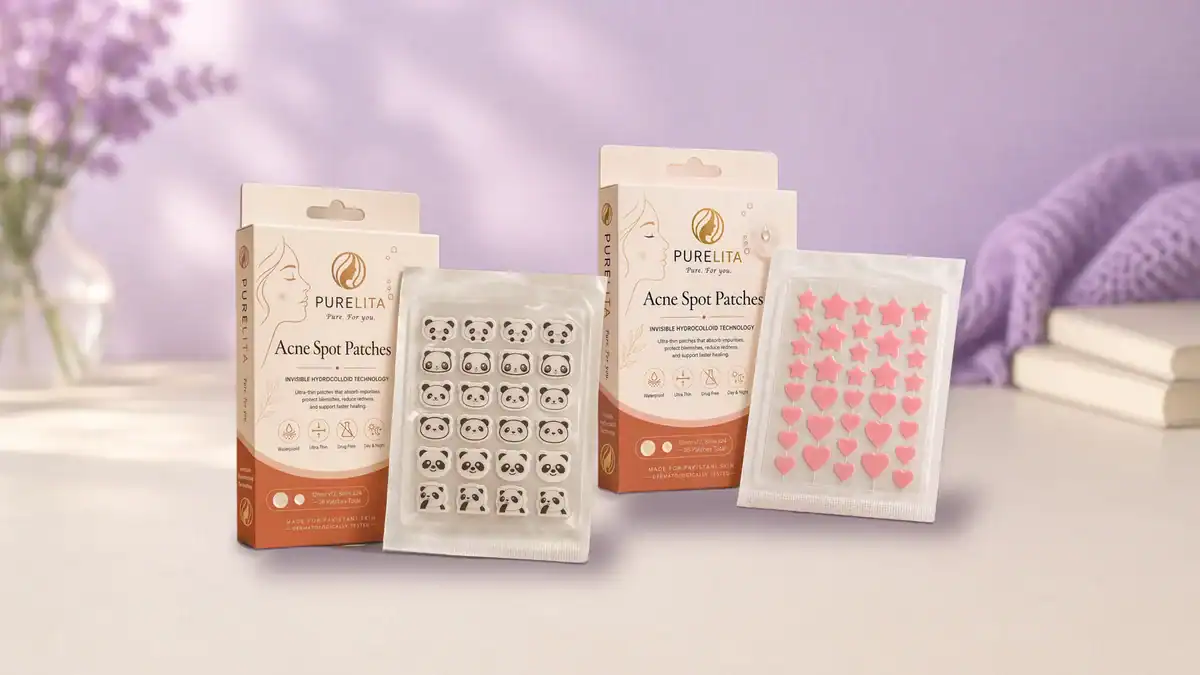
This is also where a small "fun factor" product can matter more than it sounds. When a stray pimple shows up — usually the night before a school event, because it always is — a colourful, discreet patch that a teen can put on themselves and almost forget about does two things: it treats the spot, and it removes the temptation to pick at it. The Star & Heart Hydrocolloid Patches were designed with exactly that in mind — hydrocolloid with tea tree oil and centella in star and heart shapes that absorbs a surfaced whitehead overnight and looks more like a sticker than a medical dressing, so it doesn't feel like a big deal to wear one to bed or even out the door.
Building the Actual Routine, Step by Step
Here's what a realistic morning-and-night routine looks like for most tweens and teens with normal-to-oily, occasionally breakout-prone skin.
| Time | Step | What to Use | Why It Matters |
|---|---|---|---|
| Morning | Cleanse | Gentle, fragrance-free face wash | Removes overnight oil buildup |
| Morning | Moisturize | Lightweight, oil-free lotion | Balances skin, prevents overproduction of oil |
| Morning | Protect | SPF 30+ sunscreen | Prevents sun damage and dark marks from healing pimples |
| Night | Cleanse | Same gentle face wash | Removes the day's sweat, sunscreen, and dust |
| Night | Spot treat (as needed) | Hydrocolloid patch on active spots | Draws out fluid overnight, stops picking |
| Night | Moisturize | Same lightweight lotion | Supports the skin barrier overnight |
That's it. No toners, no acids, no serums required at this stage unless a dermatologist has specifically recommended them for a particular concern.
When Breakouts Show Up Anyway
Even with a solid daily routine, teens will still get the occasional pimple — that's normal, not a routine failure. The temptation at that age is almost always to pick, pop, or over-treat the spot with something too strong. Both usually make things worse.
A hydrocolloid patch is one of the gentlest ways to handle a fresh whitehead: it's drug-free, works by physically absorbing fluid from the pimple, and creates a barrier so fingers can't get to it. For families curious about how that actually works at a chemistry level, How Hydrocolloid Acne Patches Work: The Science Behind That White Dot breaks it down simply. And if a parent is comparing patches to the benzoyl-peroxide spot creams they may have grown up using, Hydrocolloid Pimple Patches vs Spot Creams: What Actually Works? lays out the honest trade-offs of each.
It's also worth understanding that teen skin doesn't always respond to patches or products the same way adult skin does. Pimple Patches for Teens vs. Adults: Does Age Change How You Should Use Them? is a useful read if a teen's skin seems to react differently than a parent's own experience would suggest.
Skincare Habit vs. Skincare Overload: A Quick Comparison
It helps to draw a clear line between what a teen skincare habit should look like and what it often turns into once trends get involved.
| A Healthy Teen Habit | Skincare Overload (Avoid) |
|---|---|
| 3 core steps, done consistently | 8-10 steps, done inconsistently |
| Gentle, fragrance-free formulas | Strong actives borrowed from adult routines |
| One spot treatment when needed | Layering multiple acne products at once |
| Daily SPF, non-negotiable | SPF skipped because "it's cloudy" |
| Patience — results in 4-6 weeks | Switching products every few days for faster results |
Expert Tips for Parents and Teens
- Do a patch test on new products. Apply a small amount behind the ear or on the inner arm for two nights before using it on the face — this catches irritation before it happens on a visible spot.
- Change pillowcases weekly. Oil, sweat, and product residue build up on fabric and transfer straight back onto the skin.
- Never let a teen share products with siblings or friends casually, especially anything that touches an open pimple — it's a simple way infections spread.
- Introduce one new product at a time. If three new things are added at once and skin reacts, there's no way to know which one caused it.
- Treat sports and sweat as part of the routine. A quick rinse after football or badminton practice matters as much as the morning cleanse.
Common Mistakes to Avoid
- Over-washing the face. Twice a day is the ceiling for most teens. Washing four or five times because skin "feels oily" usually backfires by stripping the barrier and triggering more oil.
- Skipping moisturizer on oily days. This is the single most common mistake in teen routines and one of the easiest to fix.
- Popping pimples. It feels productive in the moment and almost always leads to redness, scarring, or a longer healing time. There's a full breakdown of why in Does Popping Pimples Make Acne Worse?.
- Chasing trends from social media. DIY hacks involving toothpaste, lemon juice, or baking soda on the skin are more likely to cause irritation than clear anything up.
- Confusing purging with a bad reaction. When starting any new product, especially one with actives, skin can temporarily look worse before it improves. Knowing the difference matters — see Skin Purging vs. Breakout: How to Tell the Difference.
What About Makeup and School Days?
Many teens start experimenting with light makeup around the same time skin gets more reactive, and patches often get worn under concealer for exam days or events. If that's a regular situation in your house, Pimple Patches Under Makeup: Your Complete Guide covers how to layer a patch discreetly without it lifting off during the school day.
Pakistan's climate adds its own complications too — heat, humidity, and dust all interact with an already oil-heavy teen complexion. During monsoon months especially, breakouts tend to spike, and Monsoon Acne in Pakistan: Why Humidity Season Makes Your Skin Break Out explains what's actually happening and how to adjust the routine seasonally.
Choosing a cleanser for a teenager? Our face wash guide for Pakistan covers oily and acne-prone skin. For the fun side of skincare, see why cute skincare design works.
Frequently Asked Questions
What age should a child start a skincare routine?
Most dermatology resources suggest a basic cleanse-moisturize-protect routine can start around age 9-10, or whenever oil production and the first breakouts show up — whichever comes first. There's no single "right" age; it depends on the individual child's skin.
Do teens need a separate routine for morning and night?
Not a drastically different one. The core steps (cleanse, moisturize) stay the same both times, with sunscreen added in the morning and, if needed, a spot treatment added at night.
Is it safe for teens to use hydrocolloid pimple patches?
Yes. Hydrocolloid patches are drug-free and work through absorption rather than active ingredients, which makes them one of the gentler spot treatments available for younger, more reactive skin. As with any new product, a quick patch test is a sensible first step.
How long should a teen leave a pimple patch on?
Generally overnight, or until the patch turns white/cloudy, whichever comes first — that colour change usually signals it's absorbed what it can. A full guide by skin type is available at How Long Should You Leave a Pimple Patch On? (By Skin Type).
My teen has sensitive skin — is a basic routine still safe?
Generally yes, as long as products are fragrance-free and formulated for sensitive skin. If reactions still happen, it's worth a closer look — Are Pimple Patches Safe for Sensitive Skin? covers what to check before introducing any spot treatment.
Should a teen see a dermatologist, or is a home routine enough?
A consistent home routine handles most everyday oiliness and the occasional breakout. If acne is painful, cystic, leaving scars, or affecting a teen's confidence significantly, that's a good reason to see a dermatologist rather than trying to manage it alone.
Talking to Your Teen About Their Skin
For a lot of parents, the harder part isn't picking the right products — it's bringing up skincare without it landing as criticism. A few things help: frame it as a routine you're building together rather than a problem you're fixing on them, let them pick the fun parts (a shaped patch, a nice-smelling mask) even if the rest of the routine is more basic, and avoid commenting on individual breakouts in the moment. Most teens respond better to "let's find you a good routine" than to any conversation that starts with pointing at a specific pimple.
The Bottom Line
A teen skincare habit doesn't need to be complicated to work. Three consistent steps — cleanse, moisturize, protect — done daily will do more for a teenager's skin over the next few years than any trending ten-step routine ever could. The occasional pimple is normal, not a failure, and having one gentle, effective tool on hand for it — like a Star & Heart Hydrocolloid Patch tucked into a pencil case for exam-week emergencies — takes the panic out of those mornings.
The real win isn't perfect skin. It's a teenager who's learned to take care of themselves without stress, trends, or a ten-product shelf they'll abandon in a month. Start small, stay consistent, and let the habit build itself over a few weeks. For families building out a fuller kit, the Decorative Patches collection has a few more playful options worth browsing together.