}%3C/style%3E%3ClinearGradient id='id0' gradientUnits='userSpaceOnUse' x1='21.96' y1='13.35' x2='18.7' y2='40.98'%3E%3Cstop offset='0' stop-color='%23D0AD83'/%3E%3Cstop offset='1' stop-color='%23E8C094'/%3E%3C/linearGradient%3E%3C/defs%3E%3Cpath class='fil0' d='M5.56 30.86l.02.03-.02-.03zm20.01-29.98l0-.02-.02.01.02 0c.03.04.12.1.17.14.32.24.85.71 1.11 1 .03.04.04.05.07.09.39.4.81 1.02 1.1 1.51.13.23.05.01.22.26.46.66.95 1.42 1.32 2.11l.23.43c.08.15.14.29.22.44.94 1.87 1.56 3.84 1.93 5.9.07.37.12.75.17 1.13l.14 1.82c0 .1.02.18.02.31l0 .97c-0 .1-.02.18-.02.31l-.12 1.51c-.15 1.24-.32 2.07-.66 3.27-.22.77-.63 1.87-.99 2.59l-.82 1.46c-.34.51-.56.84-.95 1.34-.05.07-.09.12-.15.18l-.6.71c-.03.03-.05.05-.08.08-.17.19-.35.4-.54.59l-.97 1c-.08.05-1.05 1.04-1.22 1.21-.22.21-.46.52-.66.74-.06.07-.11.13-.16.2-.7.94-1.15 1.89-.73 3.16.11.31.16.43.31.72.18.34.36.54.62.8.04.04.16.14.18.18-.07 0-.17.04-.24.06-.09.03-.16.04-.25.06-.58.14-.91.21-1.53.29-1.36.18-2.89-0-3.99-.75-.16-.11-.46-.32-.6-.45-.03-.03-.05-.05-.08-.08-.58-.48-1.23-1.49-1.49-2.15-.05-.13-.11-.3-.15-.46-.14-.6-.13-1.06.01-1.62.12-.49.43-.99.78-1.34l.16-.15c.38-.36.89-.6 1.41-.73.08-.02.2-.04.26-.06.21 0 .4-.05.67-.03.08 0 .17-.01.24 0 .31.03.56.09.82.16.13.04.24.08.37.13l.34.15c.24.11.43.25.71.29.54.08 1.1-.13 1.36-.59.26-.46.2-1.05.39-1.6.17-.5.42-.89.69-1.28.25-.37.15-.27.55-.43.22-.09.47-.23.63-.37.14-.12.38-.37.32-.64-.11-.59-.89-.85-1.34-1.14-.11-.07-.19-.13-.26-.25 1.4-.33 2.41.32 2.6-.85.03-.18-.01-.37-.08-.48-.06-.09-.19-.18-.27-.3-.16-.24-.21-.61-.06-.91.18-.36.47-.46.79-.64.07-.04.12-.07.19-.1.23-.11.44-.24.67-.36l-1.97 9.61 1.97-9.61c.15-.08.31-.16.47-.22.75-.3.75-.83.43-1.44-.03-.06-.06-.11-.11-.17-.12-.14-.23-.28-.33-.43l2.51-12.26-2.51 12.26c-.13-.19-.26-.38-.39-.57-.04-.07-.07-.11-.11-.18-.15-.23-.29-.48-.42-.73-.38-.75-.66-1.55-.77-2.39-.14-1.05.03-1.88.33-2.77.09-.28.17-.63.22-.93.1-.51.18-.98.2-1.52.01-.17.03-.35.03-.54l-.05-1.67c-.05-.39-.07-.59-.17-.98-.21-.86-.6-1.64-1.08-2.37l-.36-.49c-.22-.27-.44-.52-.68-.76l-.45-.4c-1.12-.91-2.29-1.46-3.74-1.75-.52-.1-1.05-.11-1.61-.11-1.95 0-4.18.31-5.99.91-.15.05-.29.09-.43.14l-.84.31c-.13.05-.27.11-.41.16-.97.4-1.94.91-2.83 1.47-.06.04-.12.07-.18.11l-.51.34c-.07.04-.11.08-.17.12-.12.08-.22.16-.34.24l-.48.37c-.06.05-.11.09-.17.13-.29.23-.57.48-.85.73l-.22.2c-.13.1-.34.31-.45.42-.09.09-.2.19-.29.29l-.48.52c-.24.29-.49.56-.73.85-.05.06-.09.11-.13.16-.08.11-.17.21-.25.32l-1.16 1.71-.52.91c-.31.57-.59 1.16-.83 1.76-.05.13-.11.27-.16.41-.05.14-.11.27-.16.42-.05.14-.09.31-.15.44-.02.07-.04.14-.07.21-.31.93-.66 2.46-.77 3.43-.02.16-.04.34-.06.5-.03.28-.05.76-.08 1.03-.01.09 0 .19-0 .28-.03.39-.01.97-.02 1.38l.04.8c.01.07.02.21.02.27.02.34.06.68.11 1.01.18 1.3.44 2.4.85 3.64.02.07.05.13.07.21.03.08.04.14.07.21.28.72.48 1.26.84 1.97.3.61 1.01 1.88 1.44 2.47l.24.34c.27.39.55.74.85 1.1l.65.75.98.99c.42.42 1.57 1.36 2 1.65.06.04.11.07.16.12.51.38 1.67 1.08 2.25 1.38.13.07.26.12.38.19-.01-.04-.26-.31-.32-.37-.03-.03-.04-.04-.07-.08-.61-.77-.75-.99-1.28-1.87l-.8-1.48c-.03-.06-.06-.13-.09-.19-.1-.21-.29-.57-.37-.77l-.27-.6c-.32-.74-.55-1.25-.81-2.05-.22-.65-.34-1.11-.5-1.79-.09-.37-.29-1.59-.29-1.99l-.03-.55c-.03-.19.02-1.11.05-1.37.01-.07.03-.2.03-.27.01-.33.2-1.15.28-1.47.04-.15.08-.32.13-.46.1-.29.19-.58.3-.86.12-.29.23-.55.36-.83.06-.13.13-.26.2-.38l.21-.38c.67-1.13 1.01-1.58 1.82-2.59.13-.16.28-.31.41-.48l.84-.92c.28-.28.93-.97 1.18-1.17.1-.08.44-.44.61-.57.05-.04.1-.1.15-.15.27-.26.67-.59.93-.85l.92-.84c.06-.06.1-.08.16-.14l1.97-1.84c.05-.05.1-.08.16-.14.2-.2.39-.39.59-.59l.85-.9c.18-.18.64-.72.82-.94.18-.23.35-.43.52-.66.63-.84 1.4-1.98 1.69-3.01.16-.58.17-1.24-.01-1.82-.02-.07-.06-.15-.08-.22.52.12.98.24 1.45.47l.41.24c.26.17.48.36.7.58.69.7 1.08 1.64 1.19 2.68.09.82.04 1.65-.15 2.34-.2.69-.41 1.29-.68 1.9-.27.6-.58 1.15-.92 1.68-.04.07-.08.12-.12.19l-.4.57c-.22.31-.47.6-.72.89-.03.03-.05.05-.08.08-.03.04-.04.05-.08.09l-.31.34c-.04.05-.1.11-.15.16-.03.03-.05.05-.08.08l-.82.79c-.04.04-.05.04-.09.07l-.17.16c-.23.23-.79.68-1.06.88l-1.73 1.33c-.03.02-.06.04-.09.07-.06.05-.11.09-.17.14l-2.04 1.69c-.03.03-.05.05-.08.08-.04.03-.05.04-.09.07-.03.03-.05.05-.08.08-.03.03-.05.03-.08.07l-1.4 1.36c-.06.06-.09.11-.16.17-.2.2-.58.61-.76.85-.05.07-.1.11-.15.18l-.28.36c-.09.12-.18.24-.28.36l-.41.56c-.23.32-.43.66-.63 1-.08.14-.15.29-.23.42-.1.22-.26.51-.35.74-.1.25-.24.55-.32.8-.22.68-.32.99-.45 1.75-.21 1.22-.15 2.79.2 3.97.06.2.11.38.17.57.06.18.13.35.2.53l.23.51c.12.24.22.48.37.73.29.52.51.86.88 1.32l.34.4c.13.13.38.44.54.56.13.1.38.35.58.52.46.36 1.01.78 1.54 1.04.22.11.34.18.61.31.04.02.07.04.12.06.84.35 1.67.64 2.59.73l.49.05c.06 0 .13-0 .2 0 .2.02.48.03.71.03.13-0 .2.02.33.02l.02 0 1.08-.02c.08 0 .11-.01.17-.01.06-.01.12-0 .18-0l1.03-.09c.23-.03.43-.05.66-.08 1.69-.25 3.34-.7 4.89-1.37.32-.14.95-.42 1.25-.59.44-.24.75-.4 1.18-.66.43-.26.93-.58 1.34-.88.07-.05.13-.1.21-.15l.42-.32c.14-.11.27-.22.41-.33l.98-.86c.07-.07.12-.12.19-.19l.19-.17c.07-.07.12-.12.19-.19l.36-.38c0-0 .01-.01.01-.01 0 .01.01-.01.01-.02.23-.26.5-.53.72-.82.33-.42.55-.69.87-1.13.03-.05.05-.07.08-.12.4-.55.68-1.04 1.02-1.61.05-.09.09-.17.14-.25.03-.05.04-.08.07-.13.12-.22.24-.43.34-.66.08-.18.18-.36.26-.54l.47-1.14.41-1.2c.2-.73.32-1.11.48-1.91.12-.61.26-1.46.31-2.11l.08-1.53c.02-.27-.02-.53-.02-.79 0-.79-.15-2.18-.29-2.93-.33-1.71-.62-2.71-1.29-4.32-.17-.4-.38-.85-.58-1.23-.25-.48-.53-.95-.81-1.41l-.64-.97c-.31-.42-.62-.85-.96-1.24l-.86-.97c-.1-.12-.28-.29-.4-.41-.07-.07-.13-.13-.2-.2l-.94-.85c-.04-.03-.08-.06-.12-.1-.61-.54-1.67-1.28-2.34-1.68-.22-.13-.66-.4-.88-.51l-.67-.34c-.09-.05-.17-.08-.26-.13-.05-.03-.08-.04-.13-.06-.05-.02-.09-.04-.15-.07l-1.42-.58c-.16-.06-.8-.29-.91-.3zm-23.04 13.42c.01-.08.09-.29.12-.39.05-.14.08-.26.14-.39.05-.13.09-.24.14-.37.05-.12.1-.24.15-.37l1.03-2.08.59-.95c.07-.1.14-.21.21-.31.08-.1.14-.2.22-.31l.45-.59c.08-.1.15-.19.23-.29l.59-.69c.05-.05.08-.08.13-.14.11-.14.28-.26.39-.4.1-.14.64-.6.8-.76.57-.57 1.87-1.49 2.52-1.9l1.85-1.01c.07-.03.11-.05.18-.08.6-.28 1.22-.52 1.85-.73.34-.11.68-.2 1.02-.3.07-.02.14-.04.21-.05.14-.03.28-.07.41-.1.81-.17 2.51-.5 3.2-.29.24.08.48.2.64.4.19.24.27.45.25.79-.04.78-.71 1.78-1.18 2.45-.28.4-.57.8-.9 1.17l-.24.29c-.11.14-.26.27-.36.41-.04.06-.08.08-.13.14-.05.05-.06.08-.11.13l-.63.67c-.14.14-1.13 1.12-1.33 1.28-.13.11-.27.25-.4.38l-1.02.93c-.03.02-.04.03-.07.06l-.68.62c-.26.25-.55.48-.8.74-.2.2-.47.42-.68.63l-.4.37c-.09.09-.17.17-.26.26l-1.04 1.03c-.26.26-.5.54-.76.8-.05.05-.07.09-.12.14-.05.05-.07.09-.12.14l-.36.41c-.04.05-.08.1-.12.14-.23.29-.47.57-.69.87l-.33.45c-.25.36-.5.73-.72 1.1-.29.48-.59 1-.8 1.53l-.37.92c-.05.13-.09.26-.13.39-.13.39-.25.82-.33 1.23-.01.07-.07.4-.09.43l-.07.5c-.02.16-.03.33-.06.5-.05.34-.05 1.27-.04 1.64.01.47.09 1.07.15 1.54.05.32.11.64.17.95.18.91.41 1.55.69 2.4.02.06.07.17.07.22-.13-.09-.8-1.09-.97-1.33-.05-.07-.09-.13-.14-.21l-.55-.94c-.03-.04-.04-.06-.06-.1-.14-.27-.34-.62-.44-.89-.03-.08-.07-.15-.11-.22-.07-.16-.14-.3-.2-.47-.28-.7-.49-1.24-.69-1.97-.18-.63-.4-1.52-.48-2.18-.03-.21-.14-.97-.15-1.18-0-.19-.04-.42-.05-.61-.01-.2-.04-1.12-.02-1.28.01-.12-0-.35 0-.49 0-.08.01-.08.02-.16.01-.43.05-.83.1-1.23.1-.89.34-2.16.62-3.02.03-.09.05-.18.08-.26zm30.14 17.97c-.08.05-.49.49-.61.6-.04.03-.05.03-.08.07l-.24.22c-.12.13-.52.44-.66.56-.2.18-.82.63-1.04.78l-1.11.71c-.13.08-.25.15-.38.22l-.8.42c-.63.26-1.26.52-1.9.09-.34-.23-.62-.72-.72-1.11-.16-.67.18-1.29.56-1.79l.86-.97c.09-.09 1.17-1.16 1.22-1.23.08-.05.42-.41.52-.51l.89-.95c.03-.03.03-.04.06-.07.41-.44 1.15-1.41 1.44-1.84l.42-.63c.4-.61.97-1.74 1.24-2.42.65-1.61 1.09-3.23 1.32-4.97l.13-1.19c.02-.24.05-.48.05-.74 0-.1.02-.14.02-.25-0-.09-0-.18-0-.26 0-.1.02-.14.02-.25-0-.2.01-.63-.01-.78-.02-.16.01-.35-.01-.51-.02-.13-.02-.37-.02-.5-.02-.65-.26-2.29-.36-2.8l-.39-1.71c-.12-.4-.23-.83-.36-1.22-.05-.14-.09-.26-.14-.39-.21-.64-.68-1.8-.99-2.42-.06-.11-.24-.46-.26-.53l.32.27c.03.03.05.05.07.07.04.03.05.03.08.07l.38.36c.17.14.37.34.53.51.03.04.04.05.07.08l.5.54c.76.9 1.53 1.89 2.1 2.93l.61 1.16.7 1.66c.31.78.6 1.98.76 2.78.12.61.24 1.49.27 2.11 0 .07.01.06.02.13 0 .05-0 .1 0 .15 0 .09.02.16.02.28-0 .28.04.91.01 1.16l-.02.57c0 .12-.02.17-.02.28-0 .08-.01.19-.02.28-.02.17-.04.37-.06.53-.15 1.16-.36 2.32-.74 3.4-.03.08-.04.15-.07.22-.03.07-.05.14-.08.22-.13.4-.49 1.29-.69 1.69-.38.74-.69 1.39-1.16 2.09-.15.23-.31.48-.48.71l-.77 1c-.03.03-.04.05-.07.08-.03.03-.03.05-.07.08l-.85.94z'/%3E%3Cpath class='fil1' d='M160.98 4.67l.07 0c.02.09.06.17.08.26l.26.8c.8 2.4 1.57 4.83 2.37 7.22.03.09.06.2.09.27l-5.7 0 2.83-8.56zm-8.41 16.49l3.2 0 1.76-5.3 7.04-0c.04.16.58 1.67.68 1.98l.8 2.32c.04.11.07.22.11.33.04.11.07.21.11.33.02.06.04.11.06.17.02.04.04.12.06.17l3.43 0c-.01-.06-.03-.09-.05-.15l-.58-1.67c-.19-.58-.43-1.23-.64-1.81-.07-.21-.13-.41-.21-.61-.13-.32-.3-.86-.42-1.21l-.85-2.43c-.26-.79-.58-1.63-.85-2.42-.07-.21-.13-.4-.21-.61-.13-.35-.28-.86-.42-1.22-.08-.2-.14-.4-.21-.61-.07-.21-.14-.39-.21-.61-.33-.98-.74-2.05-1.06-3.03l-1.07-3.04-4.01 0-6.05 18.18c-.07.2-.13.4-.2.6l-.21.61z'/%3E%3Cpath class='fil2' d='M90.6 11.23l-4.4 0 0-7.92 3.89 0c1.23 0 2.59.12 3.59.73.71.43 1.12 1.16 1.27 1.97.16.88.09 2.02-.19 2.87-.15.46-.42.92-.76 1.26-.39.39-.94.68-1.48.83-.56.16-1.21.26-1.91.26zm-6.18 9.92l1.77 0 0-8.36 5.04 0c.06 0 .12.14.16.23l.44.79c.05.09.09.16.14.25l.29.53c.24.47.64 1.1.88 1.57.05.09.1.17.15.26l2.34 4.2c.1.17.2.35.29.53l1.95 0-.91-1.65c-.17-.33-.56-1.01-.76-1.37-.05-.1-.1-.18-.15-.27-.17-.33-.43-.76-.62-1.11-.23-.44-.54-.95-.76-1.37-.05-.09-.1-.18-.15-.27-.05-.1-.1-.18-.15-.27-.29-.54-.62-1.1-.91-1.65-.05-.1-.1-.18-.15-.27-.05-.1-.11-.18-.15-.27-.03-.07-.14-.23-.15-.3.08-.02.15-.04.22-.06.07-.03.13-.05.2-.07.51-.2 1.03-.46 1.47-.8.14-.11.51-.42.6-.53.48-.57.79-.93 1.07-1.77.28-.84.33-1.38.33-2.33 0-1.16-.39-2.28-1.05-3.09-.42-.52-.95-.91-1.55-1.21-.96-.48-2.27-.71-3.45-.71l-6.44 0 0 19.4z'/%3E%3Cpolygon class='fil1' points='139.06 4.39 144.87 4.39 144.87 21.16 148.01 21.16 148.01 4.39 153.77 4.39 153.77 1.76 139.06 1.76'/%3E%3Cpolygon class='fil1' points='118.34 21.16 130.06 21.16 130.06 18.49 121.48 18.49 121.48 1.76 118.34 1.76'/%3E%3Cpath class='fil2' d='M65.11 14.98c0 .76.14 2.13.44 2.88.1.25.12.32.24.58l.14.27c.23.46.55.82.9 1.18.29.29.6.49.95.71.5.3 1.24.53 1.82.66 1.2.27 2.65.27 3.86.12.39-.05 1.03-.18 1.39-.3.22-.07.42-.14.62-.22.67-.27 1.58-.85 2-1.4.03-.04.06-.07.1-.11.38-.49.62-.85.86-1.49.31-.81.5-1.79.5-2.9l0-13.21-1.81 0 0 13.22c0 1.38-.31 2.8-1.24 3.72-.86.86-2.2 1.19-3.87 1.19-.81 0-1.6-.1-2.22-.3-.94-.3-1.82-.92-2.26-1.81-.04-.08-.07-.14-.1-.21-.19-.39-.37-1.03-.43-1.48-.05-.36-.1-.75-.1-1.17l0-13.17-1.81 0 0 13.22z'/%3E%3Cpath class='fil2' d='M54.11 12.17l-3.53 0 0-8.85 3.5.02.92.05c.67.07.99.1 1.65.27.18.05.32.09.49.15.08.03.16.06.22.09.36.16.7.36.97.64.8.8.97 1.86.97 3.09 0 .82-.13 1.48-.34 2.09-.25.72-.85 1.45-1.54 1.8-.04.02-.06.03-.1.05-.83.45-2.2.61-3.22.61zm-5.31 8.98l1.77 0 0-7.39 3.45 0c.55 0 1.08-.04 1.58-.1.84-.09 1.88-.35 2.63-.72.38-.19.72-.4 1.04-.65 1.23-1 1.92-2.58 1.92-4.81 0-1.22-.28-2.61-.96-3.52-.11-.14-.21-.29-.34-.42-.12-.11-.22-.25-.38-.37-.34-.27-.29-.23-.65-.47-.33-.22-.92-.44-1.3-.57-.36-.12-.82-.21-1.23-.27-.43-.06-.93-.1-1.41-.1l-6.11 0 0 19.4z'/%3E%3Cpolygon class='fil2' points='101.38 21.16 112.61 21.16 112.61 19.6 103.18 19.6 103.18 12.11 111.76 12.11 111.76 10.51 103.18 10.51 103.18 3.32 112.35 3.32 112.35 1.76 101.38 1.76'/%3E%3Cpolygon class='fil1' points='133.29 21.16 136.43 21.16 136.43 1.76 133.29 1.76'/%3E%3Cg class='fil2'%3E%3Cpath d='M52.86 30.09l-.31-.02c-.1-.01-.16-.03-.25-.03l.36-3.25.61.05c.28.04.62.14.84.28.14.09.18.13.29.25.07.08.08.08.15.2.26.48.24 1.16.03 1.65-.27.63-.98.87-1.72.87zm-3.96.16c.07-.04.12-.1.21-.17.07-.06.14-.12.21-.19.04-.04.06-.04.1-.08.06-.06.27-.23.31-.28-.03-.14-.21-.35-.21-.92 0-.56.35-1 .79-1.24.15-.08.35-.18.51-.24.07-.03.12-.04.2-.07.27-.09.52-.14.81-.21l-.1.87c-.03.29-.07.58-.1.89-.06.58-.12 1.17-.2 1.76-.1.79-.11 1.73-.66 2.28-.19.19-.18.17-.31.15-.15-.02-.3-.04-.44-.05-.05.07-.1.09-.16.15l-.5.49.43.03c.07.01.15 0 .23 0 .15 0 .45.03.66.03l.87.05c.21.02.19-.02.32-.14.08-.08.15-.14.24-.22.05-.05.2-.18.22-.24l-.49-.02c-.08-0-.08-.01-.16-.02-.22-.01-.44-.03-.66-.03.01-.01.4-.22.55-.32.44-.3.48-.64.58-1.16l.1-.77c.09-0 .23-.03.33-.03.2-.02.42-.07.61-.11.11-.03.19-.06.29-.09.38-.1.89-.4 1.19-.64.24-.19.44-.42.6-.68.1-.17.05-.1.12-.24.18-.37.21-.91.1-1.33-.25-.87-1.36-1.14-2.2-1.14-.88 0-1.37.01-2.22.3-.25.08-.47.19-.69.32-.14.08-.32.19-.44.29-.28.23-.39.31-.63.63-.23.31-.37.65-.45 1.04-.03.15-.04.3-.05.46-.02.16.05.76.11.88z'/%3E%3Cpath d='M83.23 30.26c.08-.02.64-.61.73-.68.05-.04.07-.06.11-.11-.03-.12-.23-.41-.23-.85 0-.92.66-1.29 1.4-1.46.25-.06.58-.07.89-.07l-.1.84c-.03.29-.05.57-.09.86-.04.29-.06.56-.09.84l-.2 1.69c-.08.54-.24 1.11-.68 1.45-.08.06-.08.04-.19.03-.14-.01-.29-.04-.43-.05l-.49.48c-.06.06-.12.09-.17.16.18 0 .44.03.66.03.1 0 .13.02.23.02l.66.03c.19.01.44-0 .68.03.22.03.21-.01.34-.13.07-.07.44-.38.46-.47l-.53-.02c-.25-.01-.59-.05-.85-.05.1-.09.74-.27.99-.88.23-.57.19-1.22.28-1.6.26 0 .6-.02.85 0 .58.05.99.1 1.43-.27.15-.12.33-.29.43-.44l-.65.09c-.54.07-1.42.04-1.99.04l.3-2.69 1.1-0c.09 0 .11.02.21.02.08 0 .15-0 .23-0 .1-0 .13.02.21.02 1.16.03.8.54.79.89.32 0 .36-.19.48-.47.12-.26.32-.85.42-1.07-.25 0-.74.05-.99.05-.1-0-.26-.01-.36 0-.26.04-1.9.01-2.42.01-.14 0-.23.01-.35.02-.2.01-.44.04-.63.08-.19.03-.39.09-.56.14-.09.03-.16.06-.25.1-.16.07-.41.21-.56.31-.61.46-1.02 1.04-1.15 1.83-.03.21-.04.44-.03.65.02.35.09.45.1.61z'/%3E%3Cpath d='M110.58 31.4l0 .01c0-0-.01-0-0-.01zm-3.84-1.76c0 .11.07.19.15.21.01-.06.04-.08.07-.14.12-.25.38-.59.68-.6.25-.01.3.51.3.75 0 .08.02.1.02.2 0 .07-0 .14-0 .21 0 .09.02.1.02.2.01.44.04.82.05 1.23 0 .13.04.41.03.61-0 .34.07 1.22.51 1.22.32 0 .48-.15.73-.37l.69-.8c.08-.1.14-.19.21-.3l.38-.62c0 .11-.37 1.93-.39 2.04-.13.72-.26 1.28-.49 1.96-.14.41-.34.86-.68 1.14-.15.13-.13.13-.36.25-.3.15-.58.2-.99.22-.16.01-.42-.04-.55-.06l-.35-.1c-.04-.02-.07-.03-.12-.05l-.64.69c.16.08.6.16.79.16.78-0 1.54-.26 2.15-.72.16-.12.5-.4.62-.56.05-.07.1-.09.17-.19l.17-.21c.07-.1.13-.18.19-.29.69-1.1.94-2.86 1.19-4.1.14-.71.32-1.7.49-2.38l.16-.57c.02-.06.05-.11.06-.18-.06.03-.15.05-.22.08l-.46.16c-.07.03-.16.07-.24.08-0 .14-.25 1.3-.28 1.41-.17.59-.37.96-.66 1.44-.06.1-.1.17-.17.26-.17.23-.6.83-.93.74-.25-.07-.25-.79-.28-.98-.01-.06-.01-.11-.01-.2 0-.1-.01-.12-.02-.2-.02-.28-.02-.54-.03-.82l-.02-.39c-.01-.08-.01-.12-.01-.2-0-.09-.02-.1-.02-.2-0-.22-.06-.57-.11-.74-.17-.56-.66-.48-1.04-.2-.21.16-.77.61-.77.92z'/%3E%3Cpath d='M61.43 28.76c0 .19-.19 1.37-.22 1.5-.1.4-.19.59-.37.93-.1.19-.39.62-.53.78-.27.32-.56.64-.96.78-.1.03-.24.07-.35.02-.13-.05-.14-.23-.14-.37 0-.69.17-1.71.23-2.45.03-.41.3-1.44-.33-1.45-.28-0-.57.24-.77.4-.05.04-.08.08-.13.12-.05.04-.07.06-.12.11-.16.16-.57.61-.42.84.02.04.03.05.08.07.01-.06.11-.21.14-.27.13-.22.39-.6.68-.6.15 0 .16.17.16.3 0 .29-.19 2.1-.24 2.44-.02.14-.03.26-.04.4-.03.39-.16 1.22.43 1.22.51 0 .92-.35 1.27-.65.04-.03.05-.03.08-.07.05-.05.09-.1.15-.15.21-.16.74-.81.91-1.06l.1-.15c.02-.03.01-.01.02-.03 0 .38-.34 1.61-.12 1.95.2.31.66.11.89-.06.19-.14.22-.19.39-.35.14-.13.59-.71.59-.87 0-.08-.09-.16-.16-.16-.05.2-.42.86-.79.94-.15.03-.19-.05-.2-.2l.36-2.7c.04-.26.07-.51.12-.75.02-.12.05-.23.07-.35.01-.06.03-.13.04-.17.01-.07.04-.13.04-.19-.16.04-.62.23-.84.28z'/%3E%3Cpath d='M124.41 28.76c0 .19-.19 1.37-.22 1.5-.06.23-.13.45-.23.64-.05.1-.09.19-.14.28-.28.54-.92 1.37-1.49 1.56-.35.12-.5.01-.5-.35 0-.69.17-1.71.23-2.45.03-.41.3-1.44-.33-1.45-.28-0-.57.24-.77.4-.22.17-.84.79-.67 1.07.02.04.03.05.08.07.01-.06.04-.09.06-.13.15-.25.42-.74.76-.74.15 0 .16.17.16.3l-.11 1.22c-.05.39-.08.8-.13 1.21-.05.34-.07.68-.07 1.03 0 .32.15.59.46.59.51 0 .92-.35 1.27-.65l.23-.21c.11-.09.44-.46.55-.59.18-.22.29-.39.45-.61 0-0 0-.01.01-.01l.03-.04c0 .11-.04.28-.05.39-.06.39-.24 1.29-.07 1.55.24.37.84.03 1.09-.22.19-.2.78-.82.78-1.06 0-.08-.09-.16-.16-.16-.05.2-.42.86-.79.94-.27.06-.19-.29-.18-.4.01-.34.29-2.13.34-2.5.08-.56.12-.77.23-1.28.01-.07.04-.13.04-.19-.16.04-.62.23-.84.28z'/%3E%3Cpath d='M93.54 32.95c-.74 0-.97-.73-.97-1.48 0-.45.01-.72.14-1.14.09-.3.18-.48.35-.73.06-.09.13-.17.2-.24.19-.17.41-.27.7-.27 1.07 0 1.04 1.66.86 2.44-.06.26-.14.45-.25.66-.2.4-.56.76-1.05.76zm-1.76-1.07c0 .46 0 .84.26 1.23.39.59 1.32.47 1.84.13.53-.33.97-.84 1.29-1.38.42-.69.66-1.6.48-2.43-.03-.16-.08-.27-.14-.4-.12-.25-.33-.41-.61-.49-.64-.17-1.27.17-1.62.46-.4.34-.72.74-.99 1.19-.23.39-.51 1.06-.51 1.68z'/%3E%3Cpath d='M115.95 32.95c-.74 0-.97-.73-.97-1.48 0-.41 0-.58.09-.98.01-.07.03-.11.04-.17l.11-.31c.11-.23.09-.2.24-.42.06-.09.13-.17.2-.24.19-.17.41-.27.7-.27 1.07 0 1.04 1.66.86 2.44-.07.32-.23.68-.42.93-.2.27-.49.49-.88.49zm-1.76-1.07c0 .46 0 .84.26 1.23.34.51 1.09.49 1.59.26.8-.36 1.45-1.24 1.8-2.01.33-.74.57-2.51-.53-2.81-1.5-.41-3.12 1.85-3.12 3.33z'/%3E%3Cpath d='M71.83 31.06c-.17 0-.17-.02-.3-.05.01-.38.24-1.04.48-1.36.22-.29.45-.5.85-.47.1.01.15.02.22.05.44.18.35.92-.02 1.3-.3.3-.71.53-1.23.53zm-1.07.85c0 .46.03.83.32 1.18.44.54 1.07.54 1.64.24.26-.13.32-.21.52-.36l.32-.32c.11-.11.45-.52.45-.67 0-.1-.07-.19-.15-.21-.04.18-.32.54-.47.69-.43.43-1.19.61-1.6.08-.1-.13-.14-.24-.19-.4-.04-.13-.08-.35-.08-.51.05-0 .19-.05.23-.06.25-.08.43-.17.66-.28.18-.09.4-.24.56-.36l.75-.8.11-.2c.08-.15.13-.3.16-.47.06-.33.06-.73-.27-.89-.43-.21-1 .07-1.34.34-.09.07-.16.14-.24.22-.04.04-.07.07-.12.11-.48.49-.9 1.23-1.11 1.88-.06.19-.13.54-.13.79z'/%3E%3Cpath d='M64.83 29.86c0 .04.05.16.15.18.03-.13.21-.41.29-.53.1-.13.26-.32.48-.34.14-.01.16.09.18.22.03.22-.06.86-.09 1.12-.03.24-.06.49-.08.74-.02.24-.06.49-.08.74-.02.35-.16 1.22-.16 1.5l.72-.24c.04-.03.04-.03.05-.12l.03-.27c.07-.7.1-1.32.4-1.97.02-.05.04-.09.06-.13.03-.06.04-.09.07-.14.27-.45.22-.4.57-.81.11-.13.18-.19.32-.29.19-.13.36-.19.59-.17.24.02.22.06.33.08.07-.1.1-.12.18-.2.04-.04.04-.06.08-.1l.18-.2c.05-.05.25-.25.27-.31-.05-.01-.07-.02-.11-.04-.04-.02-.08-.03-.13-.04-.25-.07-.54-.05-.78.04-.31.12-.52.3-.73.53-.31.33-.59.69-.8 1.09l-.24.41c.01-.29.15-1.07.15-1.53 0-.75-.55-.69-1.06-.29l-.49.45c-.13.15-.34.41-.34.61z'/%3E%3Cpath d='M97.88 29.86c0 .04.05.16.15.18.03-.13.21-.41.29-.53.1-.13.26-.32.48-.34.14-.01.16.09.18.22.04.25-.13 1.5-.17 1.86l-.21 1.84c-.01.13-.04.27-.04.39l.58-.2c.21-.07.18.01.23-.43.01-.13.02-.23.04-.36.06-.55.07-.8.25-1.33.03-.09.07-.19.11-.28.2-.45.39-.71.7-1.09.15-.18.35-.35.58-.42.13-.04.19-.05.33-.03.24.02.22.06.33.08.07-.1.1-.12.18-.2l.18-.2c.04-.04.04-.06.08-.1.05-.05.25-.25.27-.31-.18-.04-.17-.09-.51-.12-.34-.02-.65.11-.91.31l-.49.46c-.44.55-.5.67-.82 1.23l-.06.1c.01-.29.15-1.07.15-1.53 0-.18-.02-.29-.1-.43-.06-.09-.17-.15-.32-.15-.23-.01-.5.18-.64.29-.03.02-.03.03-.06.05-.24.2-.77.67-.77 1.01z'/%3E%3Cpath d='M127.79 32.87c.05.07.21.15.34.32.07.08.23.32.25.42.07-.02.32-.29.38-.36.11-.11.29-.24.37-.37-.04-.17-.39-.59-.59-.72l-.37.35c-.14.12-.23.26-.38.36z'/%3E%3Cpath d='M76.25 32.87c.05.07.21.15.34.32.07.08.23.32.25.42.07-.02.32-.29.38-.36.11-.11.29-.24.37-.37-.04-.17-.39-.59-.59-.72-.05.03-.64.63-.76.71z'/%3E%3C/g%3E%3C/svg%3E)


Last updated:
Short answer: yes, pimple patches work on men’s skin and stubble just as well as on anyone else’s. Shave around an active pimple rather than over it, apply the patch to clean, dry skin after shaving, and choose a small, clear patch for daytime wear.

Men get acne just as often as women. However, they're far less likely to treat it. Mostly, that's because skincare still carries an unfair "not for guys" label. Yet pimple patches are one of the simplest tools available. In fact, they work just as well on rough, stubbled skin as on anyone else's. The real skill is simple: knowing how to use them around shaving and facial hair. That way, you avoid making things worse.
Acne doesn't check for gender before it shows up. Neither does the discomfort of a sore, swollen breakout on your jaw or cheek right before shaving. Then add in razors, tight collars, and a reluctance to talk about skin. As a result, most men either ignore breakouts completely or make them worse by shaving straight over them.
This guide is about closing that gap. First, we'll look at why men's skin behaves differently. Next, we'll cover how shaving and beard growth complicate acne. Finally, you'll see how a couple of patches and a five-minute routine can quietly handle the problem — without turning into a whole production.
Why Men Skip Skincare (And Why That's Costing Them)
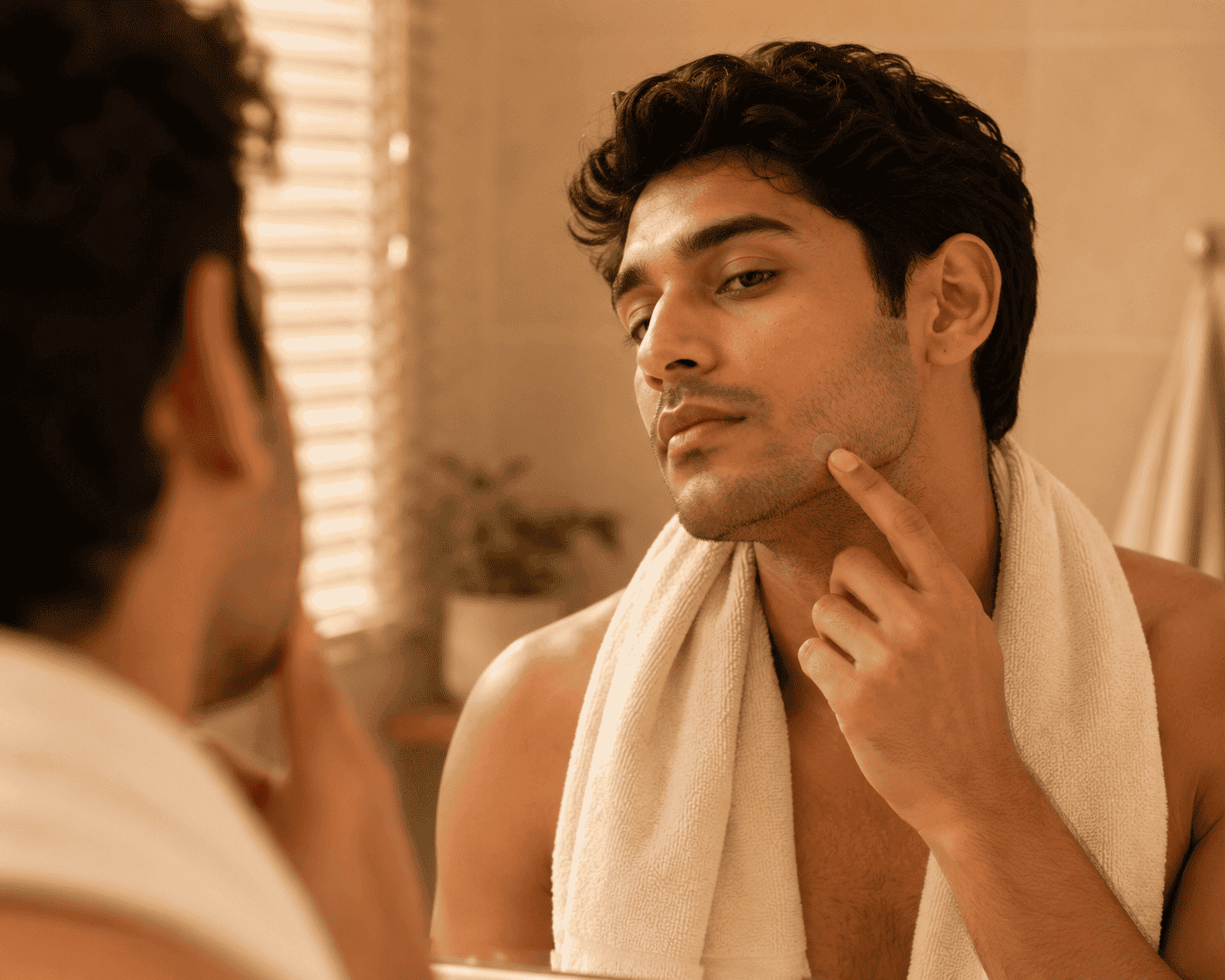
For a lot of men, skincare still gets filed under "extra" rather than "basic hygiene." Cleanser and sunscreen feel optional. Treating a breakout feels even more optional. Admitting a pimple bothers you can feel oddly embarrassing too. So breakouts get left alone until they're inflamed. Then they're picked at out of frustration, or covered up until they scar.
None of this is really about vanity. Acne can be genuinely painful. That's especially true along the jaw and chin, where shaving aggravates it daily. Besides, leaving it untreated doesn't make it less noticeable. Usually, it makes it worse. After all, picking, shaving friction, and inflammation all raise the odds of dark marks or scarring. And those stick around far longer than the original spot would have.
The stigma is shifting, slowly. Pimple patches help with that shift. After all, they're about as low-effort as skincare gets. There are no serums, no ten-step routine, no smell, and no visible "product." You stick one on. It does its job. Then you peel it off. That simplicity is exactly why it's a sensible starting point for men who want results without a whole regimen.
Men's Skin Is Built Differently — And That Changes the Plan
On average, men's skin is thicker and oilier than women's. Largely, that's driven by higher testosterone and larger, more active oil glands. Because the skin is thicker, pores can look larger and breakouts can sit deeper. Meanwhile, more oil means clogged pores and blackheads show up more easily. Typically, that happens across the T-zone, jaw, and chin.
Daily shaving adds another layer most advice ignores. Razors physically exfoliate the top layer of skin. That can help keep pores clear. However, it also strips the skin barrier and creates fresh micro-cuts. Inflamed acne really doesn't appreciate those. On top of that, beard hair grows back through congested skin. Often, the resulting bumps get mistaken for acne when they're something else entirely.
Key insight: Oilier, thicker skin plus daily shaving is a tricky mix. As a result, men often deal with true acne, razor irritation, and ingrown hairs at once. Treating all three the same way usually makes things worse.
Shaving and Acne: Telling the Difference Matters
Not every bump along the jawline is a pimple. And treating the wrong thing the wrong way turns minor irritation into a real problem. In practice, three issues get lumped together. First, actual acne: inflamed, often tender, sometimes with a visible whitehead, and caused by clogged pores and bacteria. Second, razor irritation: red, sometimes itchy, and often right after shaving, following the direction you shaved. Third, ingrown hairs: small, firm bumps with a hair curled under the skin, common along the jaw and neck.
True acne responds to spot treatment. It also benefits from being left alone — no picking, no aggressive scrubbing. Razor irritation, meanwhile, usually calms down within a day once you stop aggravating it. Often, a sharper blade or a lighter touch fixes it. Ingrown hairs are different again. They need gentle exfoliation and sometimes a warm compress to release the hair. A pimple patch won't help there, since there's no fluid or debris to draw out.
Mixing these up is common. Usually, the cost is a longer healing time. For instance, shaving over an inflamed pimple can open it up and spread bacteria. Then you're left with a mark that lasts weeks instead of days. So take a quick look before you pick up the razor. A few honest seconds saves a lot of grief.
How to Shave Around an Active Breakout
Before shaving, check the bump. Is it a tender, inflamed pimple, or just irritation or an ingrown hair? If it's clearly an active breakout with swelling or a visible head, treat it as off-limits for the razor.
Suppose you'll need to shave in the morning. Then put a hydrocolloid patch on the spot overnight. It calms inflammation and gives you a clear boundary to shave around once it's removed.
Work around the area as you normally would. Use short, light strokes with a sharp blade. Also avoid going back over the same patch of skin repeatedly, since that causes most razor irritation.
Either lift the skin slightly and angle the razor away from the bump, or simply leave a little stubble there for one more day. A bit of uneven stubble is far less noticeable than an open, irritated pimple.
Cool water closes pores and reduces redness. Alcohol-based aftershave, however, will sting an active breakout and dry out skin that's already inflamed. So apply it everywhere else and avoid the area directly.
Once you're done, put a fresh patch on the spot. It protects the area from collar friction, phone contact, and absent-minded touching for the rest of the day.
Using Pimple Patches Discreetly
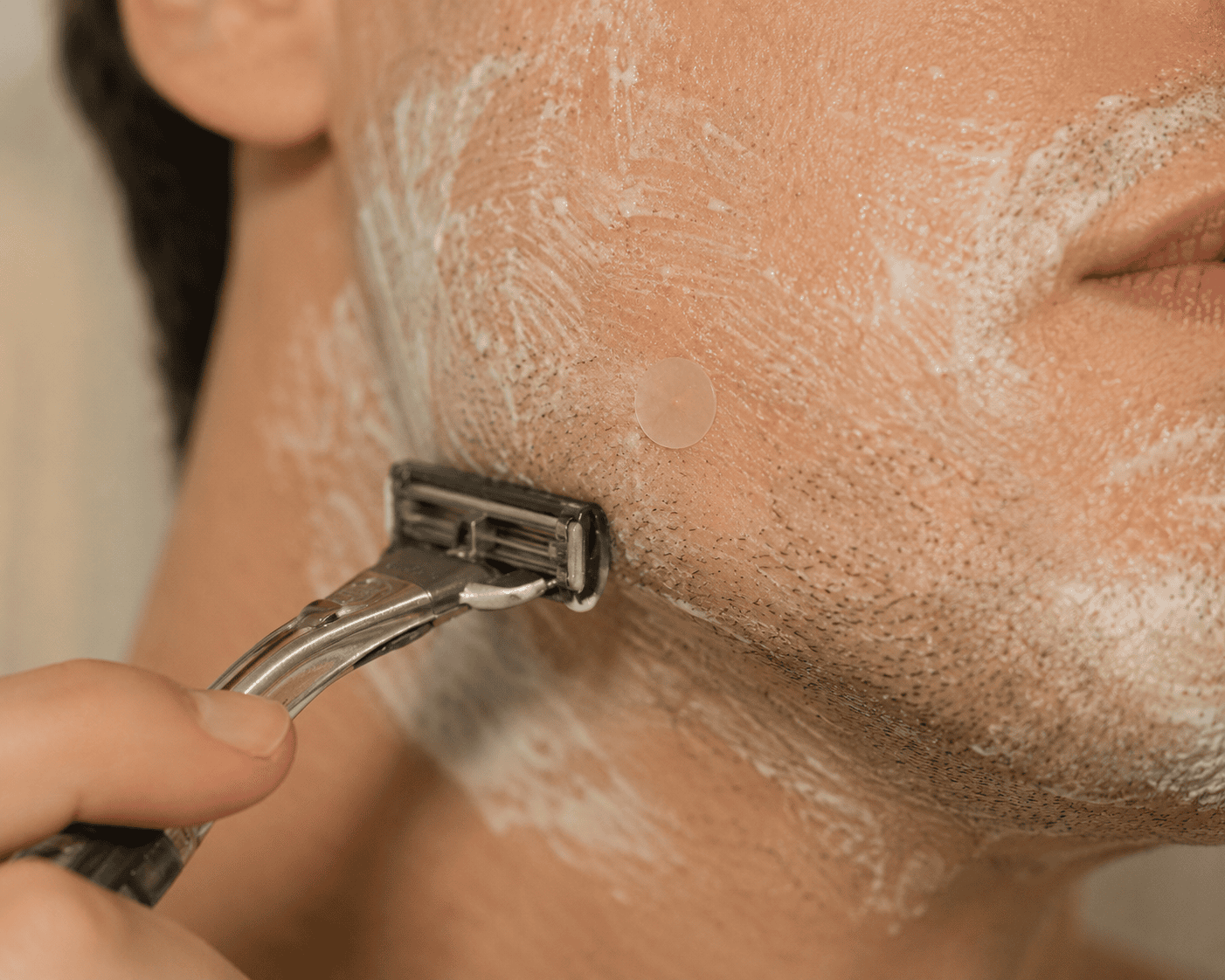
One of the biggest hesitations is simply not wanting to be seen wearing a patch. The good news? Most patches are close to invisible once applied. They're thin, translucent or skin-toned, and low-profile. So they're easy to miss unless someone looks closely.
The most practical approach is timing. Apply a patch at night and let it work while you sleep. After all, nobody's around to notice then. By morning, the worst inflammation has usually settled. From there, you can wear a fresh thin patch during the day, or go patch-free if the swelling has calmed enough.
Suppose you do need one during the day. Then smaller patches placed precisely on the spot work best. They're far less noticeable than oversized ones. Matte, skin-toned options also blend in better than glossy or clear patches, which catch light. Finally, beard or stubble can work in your favor. It partially covers smaller patches on the jaw and chin, with no extra effort.
A Simple, No-Fuss Routine That Actually Works
You don't need a ten-step regimen to control breakouts. Instead, you need about four things, done consistently. First, use a gentle cleanser morning and night. That clears the extra oil thicker skin tends to produce. Also, skip harsh bar soap on your face. It's drying, which backfires by triggering even more oil.
Next, follow with a lightweight, oil-free moisturizer, even if your skin feels oily. Skipping it doesn't reduce oil; it just leaves skin unprotected. Then add sunscreen in the morning if you'll be outside. After all, sun makes post-acne marks darker and slower to fade. Finally, keep a few hydrocolloid patches on hand. Apply one as soon as a breakout shows up, rather than waiting and hoping.
That's genuinely it. Four steps, a couple of minutes, and no ingredient lists to memorize. Above all, consistency matters more than complexity. In other words, a simple routine you'll stick with beats an elaborate one you'll abandon in a week.
For men in Pakistan
Beard lines, helmet straps on a motorbike and summer sweat are behind a lot of breakouts on men here. Shave in the direction your hair grows, wash your face after riding or the gym, and put a clear patch on any spot with a white head before bed. Nobody at the office will notice a thin patch, and it stops you picking at it in meetings. You can order pimple patches with Cash on Delivery if you would rather not shop for them in a store.
Frequently Asked Questions
Can I shave over a pimple patch?
No, remove the patch before shaving. Shaving over a patch can tear it, expose the healing skin underneath, and increase the risk of cutting or irritating an already inflamed area.
Do pimple patches work on beard-area acne?
Yes, as long as there's enough flat skin for the patch to stick to. Trim any longer beard hair around the spot first so the adhesive makes proper contact and stays in place.
How do I tell an ingrown hair from a pimple?
Ingrown hairs are usually firm bumps with a visible curled hair underneath, often appearing right after shaving. Pimples tend to be more inflamed, sometimes with a whitehead, and aren't tied to hair growth direction.
Should I use a patch on a razor bump instead of acne treatment?
Not usually. Razor bumps and ingrown hairs respond better to gentle exfoliation and letting the hair release, while patches are designed for inflamed acne with fluid or debris underneath.
Is it normal for men to break out more along the jaw and chin?
Yes. Higher oil production combined with daily shaving and friction from collars or phone contact makes the jaw and chin common trouble spots for men specifically.
Can I wear a pimple patch under stubble or a beard?
Yes, as long as the immediate area is trimmed close enough for the adhesive to stick properly. Surrounding stubble or beard hair will actually help the patch stay less visible.
Will using pimple patches mean I have to change my whole skincare routine?
No. Patches work as an add-on to whatever you're already doing — cleansing and moisturizing — rather than requiring a full routine overhaul. That's part of why they're a practical starting point.
Why does my skin get oilier than it used to in my 30s and 40s?
Oil production is largely driven by hormones and genetics, and it doesn't necessarily decline with age the way it does for some women after menopause. Many men continue dealing with oily, acne-prone skin well into adulthood.
Final Advice
Treating a breakout isn't a grooming failure. Nor is it reserved for any gender. Really, it's just basic skin maintenance, like brushing your teeth. A pimple patch is about as low-effort as skincare gets. There's no routine to learn and no product to explain — just a small, discreet fix. So shave carefully around active spots. Keep a simple four-step routine going. Then let the patches handle the rest quietly.
This article is for informational purposes and reflects general dermatological consensus; consult a board-certified dermatologist for diagnosis and treatment of persistent or severe acne.