}%3C/style%3E%3ClinearGradient id='id0' gradientUnits='userSpaceOnUse' x1='21.96' y1='13.35' x2='18.7' y2='40.98'%3E%3Cstop offset='0' stop-color='%23D0AD83'/%3E%3Cstop offset='1' stop-color='%23E8C094'/%3E%3C/linearGradient%3E%3C/defs%3E%3Cpath class='fil0' d='M5.56 30.86l.02.03-.02-.03zm20.01-29.98l0-.02-.02.01.02 0c.03.04.12.1.17.14.32.24.85.71 1.11 1 .03.04.04.05.07.09.39.4.81 1.02 1.1 1.51.13.23.05.01.22.26.46.66.95 1.42 1.32 2.11l.23.43c.08.15.14.29.22.44.94 1.87 1.56 3.84 1.93 5.9.07.37.12.75.17 1.13l.14 1.82c0 .1.02.18.02.31l0 .97c-0 .1-.02.18-.02.31l-.12 1.51c-.15 1.24-.32 2.07-.66 3.27-.22.77-.63 1.87-.99 2.59l-.82 1.46c-.34.51-.56.84-.95 1.34-.05.07-.09.12-.15.18l-.6.71c-.03.03-.05.05-.08.08-.17.19-.35.4-.54.59l-.97 1c-.08.05-1.05 1.04-1.22 1.21-.22.21-.46.52-.66.74-.06.07-.11.13-.16.2-.7.94-1.15 1.89-.73 3.16.11.31.16.43.31.72.18.34.36.54.62.8.04.04.16.14.18.18-.07 0-.17.04-.24.06-.09.03-.16.04-.25.06-.58.14-.91.21-1.53.29-1.36.18-2.89-0-3.99-.75-.16-.11-.46-.32-.6-.45-.03-.03-.05-.05-.08-.08-.58-.48-1.23-1.49-1.49-2.15-.05-.13-.11-.3-.15-.46-.14-.6-.13-1.06.01-1.62.12-.49.43-.99.78-1.34l.16-.15c.38-.36.89-.6 1.41-.73.08-.02.2-.04.26-.06.21 0 .4-.05.67-.03.08 0 .17-.01.24 0 .31.03.56.09.82.16.13.04.24.08.37.13l.34.15c.24.11.43.25.71.29.54.08 1.1-.13 1.36-.59.26-.46.2-1.05.39-1.6.17-.5.42-.89.69-1.28.25-.37.15-.27.55-.43.22-.09.47-.23.63-.37.14-.12.38-.37.32-.64-.11-.59-.89-.85-1.34-1.14-.11-.07-.19-.13-.26-.25 1.4-.33 2.41.32 2.6-.85.03-.18-.01-.37-.08-.48-.06-.09-.19-.18-.27-.3-.16-.24-.21-.61-.06-.91.18-.36.47-.46.79-.64.07-.04.12-.07.19-.1.23-.11.44-.24.67-.36l-1.97 9.61 1.97-9.61c.15-.08.31-.16.47-.22.75-.3.75-.83.43-1.44-.03-.06-.06-.11-.11-.17-.12-.14-.23-.28-.33-.43l2.51-12.26-2.51 12.26c-.13-.19-.26-.38-.39-.57-.04-.07-.07-.11-.11-.18-.15-.23-.29-.48-.42-.73-.38-.75-.66-1.55-.77-2.39-.14-1.05.03-1.88.33-2.77.09-.28.17-.63.22-.93.1-.51.18-.98.2-1.52.01-.17.03-.35.03-.54l-.05-1.67c-.05-.39-.07-.59-.17-.98-.21-.86-.6-1.64-1.08-2.37l-.36-.49c-.22-.27-.44-.52-.68-.76l-.45-.4c-1.12-.91-2.29-1.46-3.74-1.75-.52-.1-1.05-.11-1.61-.11-1.95 0-4.18.31-5.99.91-.15.05-.29.09-.43.14l-.84.31c-.13.05-.27.11-.41.16-.97.4-1.94.91-2.83 1.47-.06.04-.12.07-.18.11l-.51.34c-.07.04-.11.08-.17.12-.12.08-.22.16-.34.24l-.48.37c-.06.05-.11.09-.17.13-.29.23-.57.48-.85.73l-.22.2c-.13.1-.34.31-.45.42-.09.09-.2.19-.29.29l-.48.52c-.24.29-.49.56-.73.85-.05.06-.09.11-.13.16-.08.11-.17.21-.25.32l-1.16 1.71-.52.91c-.31.57-.59 1.16-.83 1.76-.05.13-.11.27-.16.41-.05.14-.11.27-.16.42-.05.14-.09.31-.15.44-.02.07-.04.14-.07.21-.31.93-.66 2.46-.77 3.43-.02.16-.04.34-.06.5-.03.28-.05.76-.08 1.03-.01.09 0 .19-0 .28-.03.39-.01.97-.02 1.38l.04.8c.01.07.02.21.02.27.02.34.06.68.11 1.01.18 1.3.44 2.4.85 3.64.02.07.05.13.07.21.03.08.04.14.07.21.28.72.48 1.26.84 1.97.3.61 1.01 1.88 1.44 2.47l.24.34c.27.39.55.74.85 1.1l.65.75.98.99c.42.42 1.57 1.36 2 1.65.06.04.11.07.16.12.51.38 1.67 1.08 2.25 1.38.13.07.26.12.38.19-.01-.04-.26-.31-.32-.37-.03-.03-.04-.04-.07-.08-.61-.77-.75-.99-1.28-1.87l-.8-1.48c-.03-.06-.06-.13-.09-.19-.1-.21-.29-.57-.37-.77l-.27-.6c-.32-.74-.55-1.25-.81-2.05-.22-.65-.34-1.11-.5-1.79-.09-.37-.29-1.59-.29-1.99l-.03-.55c-.03-.19.02-1.11.05-1.37.01-.07.03-.2.03-.27.01-.33.2-1.15.28-1.47.04-.15.08-.32.13-.46.1-.29.19-.58.3-.86.12-.29.23-.55.36-.83.06-.13.13-.26.2-.38l.21-.38c.67-1.13 1.01-1.58 1.82-2.59.13-.16.28-.31.41-.48l.84-.92c.28-.28.93-.97 1.18-1.17.1-.08.44-.44.61-.57.05-.04.1-.1.15-.15.27-.26.67-.59.93-.85l.92-.84c.06-.06.1-.08.16-.14l1.97-1.84c.05-.05.1-.08.16-.14.2-.2.39-.39.59-.59l.85-.9c.18-.18.64-.72.82-.94.18-.23.35-.43.52-.66.63-.84 1.4-1.98 1.69-3.01.16-.58.17-1.24-.01-1.82-.02-.07-.06-.15-.08-.22.52.12.98.24 1.45.47l.41.24c.26.17.48.36.7.58.69.7 1.08 1.64 1.19 2.68.09.82.04 1.65-.15 2.34-.2.69-.41 1.29-.68 1.9-.27.6-.58 1.15-.92 1.68-.04.07-.08.12-.12.19l-.4.57c-.22.31-.47.6-.72.89-.03.03-.05.05-.08.08-.03.04-.04.05-.08.09l-.31.34c-.04.05-.1.11-.15.16-.03.03-.05.05-.08.08l-.82.79c-.04.04-.05.04-.09.07l-.17.16c-.23.23-.79.68-1.06.88l-1.73 1.33c-.03.02-.06.04-.09.07-.06.05-.11.09-.17.14l-2.04 1.69c-.03.03-.05.05-.08.08-.04.03-.05.04-.09.07-.03.03-.05.05-.08.08-.03.03-.05.03-.08.07l-1.4 1.36c-.06.06-.09.11-.16.17-.2.2-.58.61-.76.85-.05.07-.1.11-.15.18l-.28.36c-.09.12-.18.24-.28.36l-.41.56c-.23.32-.43.66-.63 1-.08.14-.15.29-.23.42-.1.22-.26.51-.35.74-.1.25-.24.55-.32.8-.22.68-.32.99-.45 1.75-.21 1.22-.15 2.79.2 3.97.06.2.11.38.17.57.06.18.13.35.2.53l.23.51c.12.24.22.48.37.73.29.52.51.86.88 1.32l.34.4c.13.13.38.44.54.56.13.1.38.35.58.52.46.36 1.01.78 1.54 1.04.22.11.34.18.61.31.04.02.07.04.12.06.84.35 1.67.64 2.59.73l.49.05c.06 0 .13-0 .2 0 .2.02.48.03.71.03.13-0 .2.02.33.02l.02 0 1.08-.02c.08 0 .11-.01.17-.01.06-.01.12-0 .18-0l1.03-.09c.23-.03.43-.05.66-.08 1.69-.25 3.34-.7 4.89-1.37.32-.14.95-.42 1.25-.59.44-.24.75-.4 1.18-.66.43-.26.93-.58 1.34-.88.07-.05.13-.1.21-.15l.42-.32c.14-.11.27-.22.41-.33l.98-.86c.07-.07.12-.12.19-.19l.19-.17c.07-.07.12-.12.19-.19l.36-.38c0-0 .01-.01.01-.01 0 .01.01-.01.01-.02.23-.26.5-.53.72-.82.33-.42.55-.69.87-1.13.03-.05.05-.07.08-.12.4-.55.68-1.04 1.02-1.61.05-.09.09-.17.14-.25.03-.05.04-.08.07-.13.12-.22.24-.43.34-.66.08-.18.18-.36.26-.54l.47-1.14.41-1.2c.2-.73.32-1.11.48-1.91.12-.61.26-1.46.31-2.11l.08-1.53c.02-.27-.02-.53-.02-.79 0-.79-.15-2.18-.29-2.93-.33-1.71-.62-2.71-1.29-4.32-.17-.4-.38-.85-.58-1.23-.25-.48-.53-.95-.81-1.41l-.64-.97c-.31-.42-.62-.85-.96-1.24l-.86-.97c-.1-.12-.28-.29-.4-.41-.07-.07-.13-.13-.2-.2l-.94-.85c-.04-.03-.08-.06-.12-.1-.61-.54-1.67-1.28-2.34-1.68-.22-.13-.66-.4-.88-.51l-.67-.34c-.09-.05-.17-.08-.26-.13-.05-.03-.08-.04-.13-.06-.05-.02-.09-.04-.15-.07l-1.42-.58c-.16-.06-.8-.29-.91-.3zm-23.04 13.42c.01-.08.09-.29.12-.39.05-.14.08-.26.14-.39.05-.13.09-.24.14-.37.05-.12.1-.24.15-.37l1.03-2.08.59-.95c.07-.1.14-.21.21-.31.08-.1.14-.2.22-.31l.45-.59c.08-.1.15-.19.23-.29l.59-.69c.05-.05.08-.08.13-.14.11-.14.28-.26.39-.4.1-.14.64-.6.8-.76.57-.57 1.87-1.49 2.52-1.9l1.85-1.01c.07-.03.11-.05.18-.08.6-.28 1.22-.52 1.85-.73.34-.11.68-.2 1.02-.3.07-.02.14-.04.21-.05.14-.03.28-.07.41-.1.81-.17 2.51-.5 3.2-.29.24.08.48.2.64.4.19.24.27.45.25.79-.04.78-.71 1.78-1.18 2.45-.28.4-.57.8-.9 1.17l-.24.29c-.11.14-.26.27-.36.41-.04.06-.08.08-.13.14-.05.05-.06.08-.11.13l-.63.67c-.14.14-1.13 1.12-1.33 1.28-.13.11-.27.25-.4.38l-1.02.93c-.03.02-.04.03-.07.06l-.68.62c-.26.25-.55.48-.8.74-.2.2-.47.42-.68.63l-.4.37c-.09.09-.17.17-.26.26l-1.04 1.03c-.26.26-.5.54-.76.8-.05.05-.07.09-.12.14-.05.05-.07.09-.12.14l-.36.41c-.04.05-.08.1-.12.14-.23.29-.47.57-.69.87l-.33.45c-.25.36-.5.73-.72 1.1-.29.48-.59 1-.8 1.53l-.37.92c-.05.13-.09.26-.13.39-.13.39-.25.82-.33 1.23-.01.07-.07.4-.09.43l-.07.5c-.02.16-.03.33-.06.5-.05.34-.05 1.27-.04 1.64.01.47.09 1.07.15 1.54.05.32.11.64.17.95.18.91.41 1.55.69 2.4.02.06.07.17.07.22-.13-.09-.8-1.09-.97-1.33-.05-.07-.09-.13-.14-.21l-.55-.94c-.03-.04-.04-.06-.06-.1-.14-.27-.34-.62-.44-.89-.03-.08-.07-.15-.11-.22-.07-.16-.14-.3-.2-.47-.28-.7-.49-1.24-.69-1.97-.18-.63-.4-1.52-.48-2.18-.03-.21-.14-.97-.15-1.18-0-.19-.04-.42-.05-.61-.01-.2-.04-1.12-.02-1.28.01-.12-0-.35 0-.49 0-.08.01-.08.02-.16.01-.43.05-.83.1-1.23.1-.89.34-2.16.62-3.02.03-.09.05-.18.08-.26zm30.14 17.97c-.08.05-.49.49-.61.6-.04.03-.05.03-.08.07l-.24.22c-.12.13-.52.44-.66.56-.2.18-.82.63-1.04.78l-1.11.71c-.13.08-.25.15-.38.22l-.8.42c-.63.26-1.26.52-1.9.09-.34-.23-.62-.72-.72-1.11-.16-.67.18-1.29.56-1.79l.86-.97c.09-.09 1.17-1.16 1.22-1.23.08-.05.42-.41.52-.51l.89-.95c.03-.03.03-.04.06-.07.41-.44 1.15-1.41 1.44-1.84l.42-.63c.4-.61.97-1.74 1.24-2.42.65-1.61 1.09-3.23 1.32-4.97l.13-1.19c.02-.24.05-.48.05-.74 0-.1.02-.14.02-.25-0-.09-0-.18-0-.26 0-.1.02-.14.02-.25-0-.2.01-.63-.01-.78-.02-.16.01-.35-.01-.51-.02-.13-.02-.37-.02-.5-.02-.65-.26-2.29-.36-2.8l-.39-1.71c-.12-.4-.23-.83-.36-1.22-.05-.14-.09-.26-.14-.39-.21-.64-.68-1.8-.99-2.42-.06-.11-.24-.46-.26-.53l.32.27c.03.03.05.05.07.07.04.03.05.03.08.07l.38.36c.17.14.37.34.53.51.03.04.04.05.07.08l.5.54c.76.9 1.53 1.89 2.1 2.93l.61 1.16.7 1.66c.31.78.6 1.98.76 2.78.12.61.24 1.49.27 2.11 0 .07.01.06.02.13 0 .05-0 .1 0 .15 0 .09.02.16.02.28-0 .28.04.91.01 1.16l-.02.57c0 .12-.02.17-.02.28-0 .08-.01.19-.02.28-.02.17-.04.37-.06.53-.15 1.16-.36 2.32-.74 3.4-.03.08-.04.15-.07.22-.03.07-.05.14-.08.22-.13.4-.49 1.29-.69 1.69-.38.74-.69 1.39-1.16 2.09-.15.23-.31.48-.48.71l-.77 1c-.03.03-.04.05-.07.08-.03.03-.03.05-.07.08l-.85.94z'/%3E%3Cpath class='fil1' d='M160.98 4.67l.07 0c.02.09.06.17.08.26l.26.8c.8 2.4 1.57 4.83 2.37 7.22.03.09.06.2.09.27l-5.7 0 2.83-8.56zm-8.41 16.49l3.2 0 1.76-5.3 7.04-0c.04.16.58 1.67.68 1.98l.8 2.32c.04.11.07.22.11.33.04.11.07.21.11.33.02.06.04.11.06.17.02.04.04.12.06.17l3.43 0c-.01-.06-.03-.09-.05-.15l-.58-1.67c-.19-.58-.43-1.23-.64-1.81-.07-.21-.13-.41-.21-.61-.13-.32-.3-.86-.42-1.21l-.85-2.43c-.26-.79-.58-1.63-.85-2.42-.07-.21-.13-.4-.21-.61-.13-.35-.28-.86-.42-1.22-.08-.2-.14-.4-.21-.61-.07-.21-.14-.39-.21-.61-.33-.98-.74-2.05-1.06-3.03l-1.07-3.04-4.01 0-6.05 18.18c-.07.2-.13.4-.2.6l-.21.61z'/%3E%3Cpath class='fil2' d='M90.6 11.23l-4.4 0 0-7.92 3.89 0c1.23 0 2.59.12 3.59.73.71.43 1.12 1.16 1.27 1.97.16.88.09 2.02-.19 2.87-.15.46-.42.92-.76 1.26-.39.39-.94.68-1.48.83-.56.16-1.21.26-1.91.26zm-6.18 9.92l1.77 0 0-8.36 5.04 0c.06 0 .12.14.16.23l.44.79c.05.09.09.16.14.25l.29.53c.24.47.64 1.1.88 1.57.05.09.1.17.15.26l2.34 4.2c.1.17.2.35.29.53l1.95 0-.91-1.65c-.17-.33-.56-1.01-.76-1.37-.05-.1-.1-.18-.15-.27-.17-.33-.43-.76-.62-1.11-.23-.44-.54-.95-.76-1.37-.05-.09-.1-.18-.15-.27-.05-.1-.1-.18-.15-.27-.29-.54-.62-1.1-.91-1.65-.05-.1-.1-.18-.15-.27-.05-.1-.11-.18-.15-.27-.03-.07-.14-.23-.15-.3.08-.02.15-.04.22-.06.07-.03.13-.05.2-.07.51-.2 1.03-.46 1.47-.8.14-.11.51-.42.6-.53.48-.57.79-.93 1.07-1.77.28-.84.33-1.38.33-2.33 0-1.16-.39-2.28-1.05-3.09-.42-.52-.95-.91-1.55-1.21-.96-.48-2.27-.71-3.45-.71l-6.44 0 0 19.4z'/%3E%3Cpolygon class='fil1' points='139.06 4.39 144.87 4.39 144.87 21.16 148.01 21.16 148.01 4.39 153.77 4.39 153.77 1.76 139.06 1.76'/%3E%3Cpolygon class='fil1' points='118.34 21.16 130.06 21.16 130.06 18.49 121.48 18.49 121.48 1.76 118.34 1.76'/%3E%3Cpath class='fil2' d='M65.11 14.98c0 .76.14 2.13.44 2.88.1.25.12.32.24.58l.14.27c.23.46.55.82.9 1.18.29.29.6.49.95.71.5.3 1.24.53 1.82.66 1.2.27 2.65.27 3.86.12.39-.05 1.03-.18 1.39-.3.22-.07.42-.14.62-.22.67-.27 1.58-.85 2-1.4.03-.04.06-.07.1-.11.38-.49.62-.85.86-1.49.31-.81.5-1.79.5-2.9l0-13.21-1.81 0 0 13.22c0 1.38-.31 2.8-1.24 3.72-.86.86-2.2 1.19-3.87 1.19-.81 0-1.6-.1-2.22-.3-.94-.3-1.82-.92-2.26-1.81-.04-.08-.07-.14-.1-.21-.19-.39-.37-1.03-.43-1.48-.05-.36-.1-.75-.1-1.17l0-13.17-1.81 0 0 13.22z'/%3E%3Cpath class='fil2' d='M54.11 12.17l-3.53 0 0-8.85 3.5.02.92.05c.67.07.99.1 1.65.27.18.05.32.09.49.15.08.03.16.06.22.09.36.16.7.36.97.64.8.8.97 1.86.97 3.09 0 .82-.13 1.48-.34 2.09-.25.72-.85 1.45-1.54 1.8-.04.02-.06.03-.1.05-.83.45-2.2.61-3.22.61zm-5.31 8.98l1.77 0 0-7.39 3.45 0c.55 0 1.08-.04 1.58-.1.84-.09 1.88-.35 2.63-.72.38-.19.72-.4 1.04-.65 1.23-1 1.92-2.58 1.92-4.81 0-1.22-.28-2.61-.96-3.52-.11-.14-.21-.29-.34-.42-.12-.11-.22-.25-.38-.37-.34-.27-.29-.23-.65-.47-.33-.22-.92-.44-1.3-.57-.36-.12-.82-.21-1.23-.27-.43-.06-.93-.1-1.41-.1l-6.11 0 0 19.4z'/%3E%3Cpolygon class='fil2' points='101.38 21.16 112.61 21.16 112.61 19.6 103.18 19.6 103.18 12.11 111.76 12.11 111.76 10.51 103.18 10.51 103.18 3.32 112.35 3.32 112.35 1.76 101.38 1.76'/%3E%3Cpolygon class='fil1' points='133.29 21.16 136.43 21.16 136.43 1.76 133.29 1.76'/%3E%3Cg class='fil2'%3E%3Cpath d='M52.86 30.09l-.31-.02c-.1-.01-.16-.03-.25-.03l.36-3.25.61.05c.28.04.62.14.84.28.14.09.18.13.29.25.07.08.08.08.15.2.26.48.24 1.16.03 1.65-.27.63-.98.87-1.72.87zm-3.96.16c.07-.04.12-.1.21-.17.07-.06.14-.12.21-.19.04-.04.06-.04.1-.08.06-.06.27-.23.31-.28-.03-.14-.21-.35-.21-.92 0-.56.35-1 .79-1.24.15-.08.35-.18.51-.24.07-.03.12-.04.2-.07.27-.09.52-.14.81-.21l-.1.87c-.03.29-.07.58-.1.89-.06.58-.12 1.17-.2 1.76-.1.79-.11 1.73-.66 2.28-.19.19-.18.17-.31.15-.15-.02-.3-.04-.44-.05-.05.07-.1.09-.16.15l-.5.49.43.03c.07.01.15 0 .23 0 .15 0 .45.03.66.03l.87.05c.21.02.19-.02.32-.14.08-.08.15-.14.24-.22.05-.05.2-.18.22-.24l-.49-.02c-.08-0-.08-.01-.16-.02-.22-.01-.44-.03-.66-.03.01-.01.4-.22.55-.32.44-.3.48-.64.58-1.16l.1-.77c.09-0 .23-.03.33-.03.2-.02.42-.07.61-.11.11-.03.19-.06.29-.09.38-.1.89-.4 1.19-.64.24-.19.44-.42.6-.68.1-.17.05-.1.12-.24.18-.37.21-.91.1-1.33-.25-.87-1.36-1.14-2.2-1.14-.88 0-1.37.01-2.22.3-.25.08-.47.19-.69.32-.14.08-.32.19-.44.29-.28.23-.39.31-.63.63-.23.31-.37.65-.45 1.04-.03.15-.04.3-.05.46-.02.16.05.76.11.88z'/%3E%3Cpath d='M83.23 30.26c.08-.02.64-.61.73-.68.05-.04.07-.06.11-.11-.03-.12-.23-.41-.23-.85 0-.92.66-1.29 1.4-1.46.25-.06.58-.07.89-.07l-.1.84c-.03.29-.05.57-.09.86-.04.29-.06.56-.09.84l-.2 1.69c-.08.54-.24 1.11-.68 1.45-.08.06-.08.04-.19.03-.14-.01-.29-.04-.43-.05l-.49.48c-.06.06-.12.09-.17.16.18 0 .44.03.66.03.1 0 .13.02.23.02l.66.03c.19.01.44-0 .68.03.22.03.21-.01.34-.13.07-.07.44-.38.46-.47l-.53-.02c-.25-.01-.59-.05-.85-.05.1-.09.74-.27.99-.88.23-.57.19-1.22.28-1.6.26 0 .6-.02.85 0 .58.05.99.1 1.43-.27.15-.12.33-.29.43-.44l-.65.09c-.54.07-1.42.04-1.99.04l.3-2.69 1.1-0c.09 0 .11.02.21.02.08 0 .15-0 .23-0 .1-0 .13.02.21.02 1.16.03.8.54.79.89.32 0 .36-.19.48-.47.12-.26.32-.85.42-1.07-.25 0-.74.05-.99.05-.1-0-.26-.01-.36 0-.26.04-1.9.01-2.42.01-.14 0-.23.01-.35.02-.2.01-.44.04-.63.08-.19.03-.39.09-.56.14-.09.03-.16.06-.25.1-.16.07-.41.21-.56.31-.61.46-1.02 1.04-1.15 1.83-.03.21-.04.44-.03.65.02.35.09.45.1.61z'/%3E%3Cpath d='M110.58 31.4l0 .01c0-0-.01-0-0-.01zm-3.84-1.76c0 .11.07.19.15.21.01-.06.04-.08.07-.14.12-.25.38-.59.68-.6.25-.01.3.51.3.75 0 .08.02.1.02.2 0 .07-0 .14-0 .21 0 .09.02.1.02.2.01.44.04.82.05 1.23 0 .13.04.41.03.61-0 .34.07 1.22.51 1.22.32 0 .48-.15.73-.37l.69-.8c.08-.1.14-.19.21-.3l.38-.62c0 .11-.37 1.93-.39 2.04-.13.72-.26 1.28-.49 1.96-.14.41-.34.86-.68 1.14-.15.13-.13.13-.36.25-.3.15-.58.2-.99.22-.16.01-.42-.04-.55-.06l-.35-.1c-.04-.02-.07-.03-.12-.05l-.64.69c.16.08.6.16.79.16.78-0 1.54-.26 2.15-.72.16-.12.5-.4.62-.56.05-.07.1-.09.17-.19l.17-.21c.07-.1.13-.18.19-.29.69-1.1.94-2.86 1.19-4.1.14-.71.32-1.7.49-2.38l.16-.57c.02-.06.05-.11.06-.18-.06.03-.15.05-.22.08l-.46.16c-.07.03-.16.07-.24.08-0 .14-.25 1.3-.28 1.41-.17.59-.37.96-.66 1.44-.06.1-.1.17-.17.26-.17.23-.6.83-.93.74-.25-.07-.25-.79-.28-.98-.01-.06-.01-.11-.01-.2 0-.1-.01-.12-.02-.2-.02-.28-.02-.54-.03-.82l-.02-.39c-.01-.08-.01-.12-.01-.2-0-.09-.02-.1-.02-.2-0-.22-.06-.57-.11-.74-.17-.56-.66-.48-1.04-.2-.21.16-.77.61-.77.92z'/%3E%3Cpath d='M61.43 28.76c0 .19-.19 1.37-.22 1.5-.1.4-.19.59-.37.93-.1.19-.39.62-.53.78-.27.32-.56.64-.96.78-.1.03-.24.07-.35.02-.13-.05-.14-.23-.14-.37 0-.69.17-1.71.23-2.45.03-.41.3-1.44-.33-1.45-.28-0-.57.24-.77.4-.05.04-.08.08-.13.12-.05.04-.07.06-.12.11-.16.16-.57.61-.42.84.02.04.03.05.08.07.01-.06.11-.21.14-.27.13-.22.39-.6.68-.6.15 0 .16.17.16.3 0 .29-.19 2.1-.24 2.44-.02.14-.03.26-.04.4-.03.39-.16 1.22.43 1.22.51 0 .92-.35 1.27-.65.04-.03.05-.03.08-.07.05-.05.09-.1.15-.15.21-.16.74-.81.91-1.06l.1-.15c.02-.03.01-.01.02-.03 0 .38-.34 1.61-.12 1.95.2.31.66.11.89-.06.19-.14.22-.19.39-.35.14-.13.59-.71.59-.87 0-.08-.09-.16-.16-.16-.05.2-.42.86-.79.94-.15.03-.19-.05-.2-.2l.36-2.7c.04-.26.07-.51.12-.75.02-.12.05-.23.07-.35.01-.06.03-.13.04-.17.01-.07.04-.13.04-.19-.16.04-.62.23-.84.28z'/%3E%3Cpath d='M124.41 28.76c0 .19-.19 1.37-.22 1.5-.06.23-.13.45-.23.64-.05.1-.09.19-.14.28-.28.54-.92 1.37-1.49 1.56-.35.12-.5.01-.5-.35 0-.69.17-1.71.23-2.45.03-.41.3-1.44-.33-1.45-.28-0-.57.24-.77.4-.22.17-.84.79-.67 1.07.02.04.03.05.08.07.01-.06.04-.09.06-.13.15-.25.42-.74.76-.74.15 0 .16.17.16.3l-.11 1.22c-.05.39-.08.8-.13 1.21-.05.34-.07.68-.07 1.03 0 .32.15.59.46.59.51 0 .92-.35 1.27-.65l.23-.21c.11-.09.44-.46.55-.59.18-.22.29-.39.45-.61 0-0 0-.01.01-.01l.03-.04c0 .11-.04.28-.05.39-.06.39-.24 1.29-.07 1.55.24.37.84.03 1.09-.22.19-.2.78-.82.78-1.06 0-.08-.09-.16-.16-.16-.05.2-.42.86-.79.94-.27.06-.19-.29-.18-.4.01-.34.29-2.13.34-2.5.08-.56.12-.77.23-1.28.01-.07.04-.13.04-.19-.16.04-.62.23-.84.28z'/%3E%3Cpath d='M93.54 32.95c-.74 0-.97-.73-.97-1.48 0-.45.01-.72.14-1.14.09-.3.18-.48.35-.73.06-.09.13-.17.2-.24.19-.17.41-.27.7-.27 1.07 0 1.04 1.66.86 2.44-.06.26-.14.45-.25.66-.2.4-.56.76-1.05.76zm-1.76-1.07c0 .46 0 .84.26 1.23.39.59 1.32.47 1.84.13.53-.33.97-.84 1.29-1.38.42-.69.66-1.6.48-2.43-.03-.16-.08-.27-.14-.4-.12-.25-.33-.41-.61-.49-.64-.17-1.27.17-1.62.46-.4.34-.72.74-.99 1.19-.23.39-.51 1.06-.51 1.68z'/%3E%3Cpath d='M115.95 32.95c-.74 0-.97-.73-.97-1.48 0-.41 0-.58.09-.98.01-.07.03-.11.04-.17l.11-.31c.11-.23.09-.2.24-.42.06-.09.13-.17.2-.24.19-.17.41-.27.7-.27 1.07 0 1.04 1.66.86 2.44-.07.32-.23.68-.42.93-.2.27-.49.49-.88.49zm-1.76-1.07c0 .46 0 .84.26 1.23.34.51 1.09.49 1.59.26.8-.36 1.45-1.24 1.8-2.01.33-.74.57-2.51-.53-2.81-1.5-.41-3.12 1.85-3.12 3.33z'/%3E%3Cpath d='M71.83 31.06c-.17 0-.17-.02-.3-.05.01-.38.24-1.04.48-1.36.22-.29.45-.5.85-.47.1.01.15.02.22.05.44.18.35.92-.02 1.3-.3.3-.71.53-1.23.53zm-1.07.85c0 .46.03.83.32 1.18.44.54 1.07.54 1.64.24.26-.13.32-.21.52-.36l.32-.32c.11-.11.45-.52.45-.67 0-.1-.07-.19-.15-.21-.04.18-.32.54-.47.69-.43.43-1.19.61-1.6.08-.1-.13-.14-.24-.19-.4-.04-.13-.08-.35-.08-.51.05-0 .19-.05.23-.06.25-.08.43-.17.66-.28.18-.09.4-.24.56-.36l.75-.8.11-.2c.08-.15.13-.3.16-.47.06-.33.06-.73-.27-.89-.43-.21-1 .07-1.34.34-.09.07-.16.14-.24.22-.04.04-.07.07-.12.11-.48.49-.9 1.23-1.11 1.88-.06.19-.13.54-.13.79z'/%3E%3Cpath d='M64.83 29.86c0 .04.05.16.15.18.03-.13.21-.41.29-.53.1-.13.26-.32.48-.34.14-.01.16.09.18.22.03.22-.06.86-.09 1.12-.03.24-.06.49-.08.74-.02.24-.06.49-.08.74-.02.35-.16 1.22-.16 1.5l.72-.24c.04-.03.04-.03.05-.12l.03-.27c.07-.7.1-1.32.4-1.97.02-.05.04-.09.06-.13.03-.06.04-.09.07-.14.27-.45.22-.4.57-.81.11-.13.18-.19.32-.29.19-.13.36-.19.59-.17.24.02.22.06.33.08.07-.1.1-.12.18-.2.04-.04.04-.06.08-.1l.18-.2c.05-.05.25-.25.27-.31-.05-.01-.07-.02-.11-.04-.04-.02-.08-.03-.13-.04-.25-.07-.54-.05-.78.04-.31.12-.52.3-.73.53-.31.33-.59.69-.8 1.09l-.24.41c.01-.29.15-1.07.15-1.53 0-.75-.55-.69-1.06-.29l-.49.45c-.13.15-.34.41-.34.61z'/%3E%3Cpath d='M97.88 29.86c0 .04.05.16.15.18.03-.13.21-.41.29-.53.1-.13.26-.32.48-.34.14-.01.16.09.18.22.04.25-.13 1.5-.17 1.86l-.21 1.84c-.01.13-.04.27-.04.39l.58-.2c.21-.07.18.01.23-.43.01-.13.02-.23.04-.36.06-.55.07-.8.25-1.33.03-.09.07-.19.11-.28.2-.45.39-.71.7-1.09.15-.18.35-.35.58-.42.13-.04.19-.05.33-.03.24.02.22.06.33.08.07-.1.1-.12.18-.2l.18-.2c.04-.04.04-.06.08-.1.05-.05.25-.25.27-.31-.18-.04-.17-.09-.51-.12-.34-.02-.65.11-.91.31l-.49.46c-.44.55-.5.67-.82 1.23l-.06.1c.01-.29.15-1.07.15-1.53 0-.18-.02-.29-.1-.43-.06-.09-.17-.15-.32-.15-.23-.01-.5.18-.64.29-.03.02-.03.03-.06.05-.24.2-.77.67-.77 1.01z'/%3E%3Cpath d='M127.79 32.87c.05.07.21.15.34.32.07.08.23.32.25.42.07-.02.32-.29.38-.36.11-.11.29-.24.37-.37-.04-.17-.39-.59-.59-.72l-.37.35c-.14.12-.23.26-.38.36z'/%3E%3Cpath d='M76.25 32.87c.05.07.21.15.34.32.07.08.23.32.25.42.07-.02.32-.29.38-.36.11-.11.29-.24.37-.37-.04-.17-.39-.59-.59-.72-.05.03-.64.63-.76.71z'/%3E%3C/g%3E%3C/svg%3E)

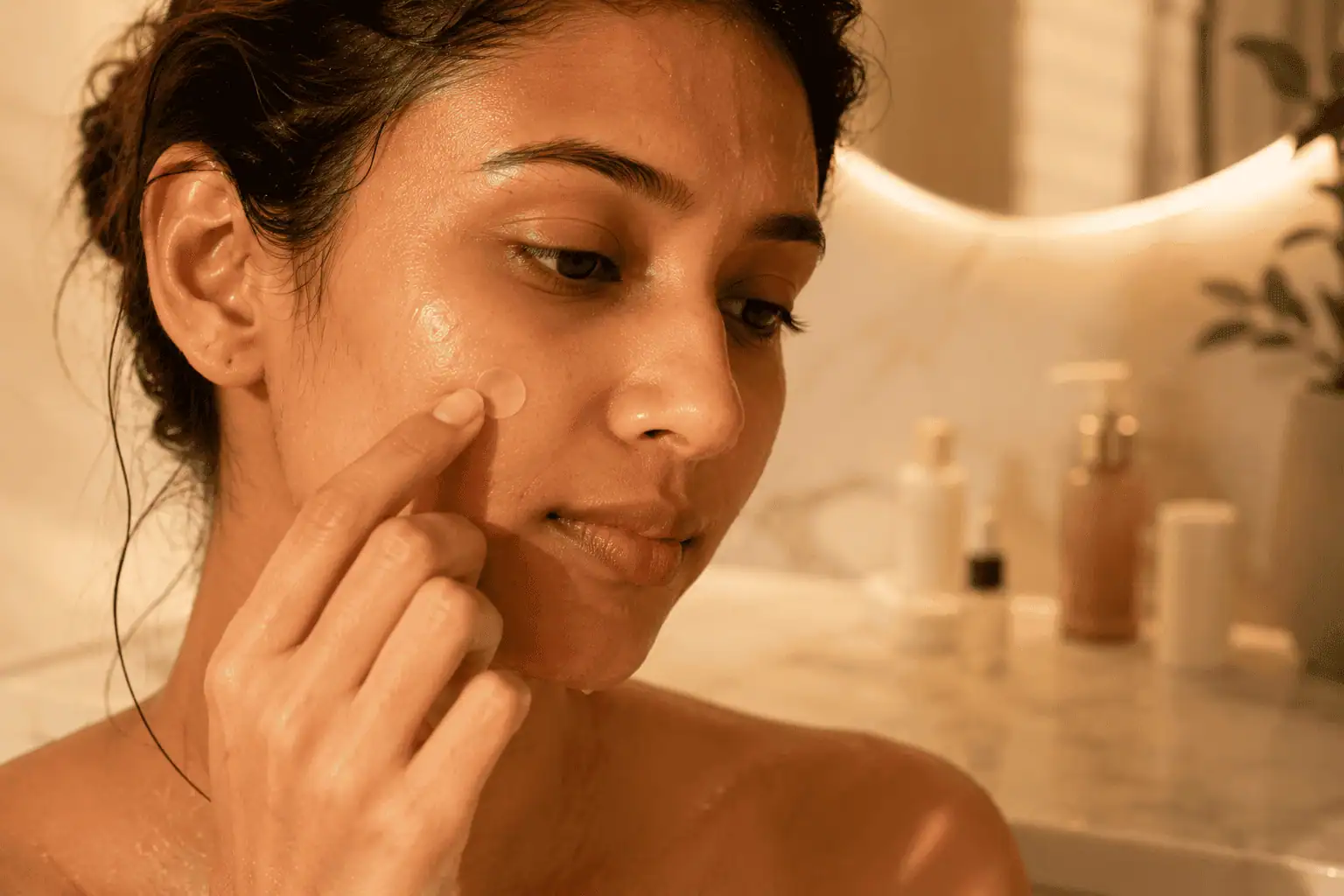

Pimple patches only work if you place them at the right point in your routine. And most people get it backwards. So here's the short answer. First, cleanse and treat. Next, let everything fully absorb. Then apply the patch onto bare, dry skin as the very last step, before (or instead of) moisturizer and sunscreen in that spot.

It sounds simple. However, the order matters more than people realize. Apply a patch too early, and it slides off within an hour. Apply it over moisturizer or sunscreen, and it may not stick at all. Worse, it can trap product underneath and stop absorbing fluid. So this guide covers where patches fit in your routine. It also shows what to avoid underneath them, how to handle spot treatments, and what changes between morning and night.
The logic is simple: patches need clean, dry, bare skin to adhere and do their job. Once that clicks, the rest of the routine falls into place easily.
Why Patch Placement in Your Routine Actually Matters
Hydrocolloid patches create a sealed, slightly moist environment over a blemish. In that environment, the material absorbs fluid, oil, and pus from a surfaced pimple. Meanwhile, it protects the area from bacteria, friction, and picking. However, that seal only forms if the patch bonds directly to skin. In other words, not to a layer of moisturizer, oil, or sunscreen on top.
Any product residue between the patch and your skin acts like a barrier. As a result, the adhesive won't grip, and the edges lift within an hour or two. Worse, the absorbing core can't make full contact with the blemish. In fact, this is the top reason people feel patches "don't work." Usually, it's not the patch — it's what was underneath it.
There's a second reason order matters. Actives like benzoyl peroxide, salicylic acid, and retinoids need time to absorb first. So slapping a patch on wet serum doesn't let the active penetrate. Besides, it reduces the patch's own adhesion.
The General Rule: Treat First, Patch Last
Think of your routine as two zones. First, the parts of your face getting full skincare. Second, the specific spot getting a patch. Everything you'd normally do still happens — cleansing, treating, moisturizing. However, the patch goes on only after that spot is fully dry. And it always goes on last, on bare skin, in that one place.
So you're not skipping your routine to use a patch. Instead, you leave the blemish bare while you treat the rest of your face. Then you circle back and apply the patch once that spot has dried completely.
Key insight: Patches need direct contact with skin to absorb fluid and stay stuck. So anything applied underneath — including moisturizer or sunscreen — weakens both adhesion and effectiveness.
The Correct Order: Step-by-Step Routine With a Patch
Wash your face with a gentle cleanser to remove dirt, oil, and makeup. Pat the entire face dry, including the blemish area.
If you're using benzoyl peroxide, salicylic acid, or another active on that specific blemish, apply it now, directly on the spot, in a thin layer.
Wait at least 20 minutes (longer if the product feels tacky or wet) so it sinks in and the skin surface is completely dry. This step gets skipped most often, and it's the one that determines whether your patch will stick.
Continue your normal routine everywhere except the blemish itself, working from thinnest to thickest texture.
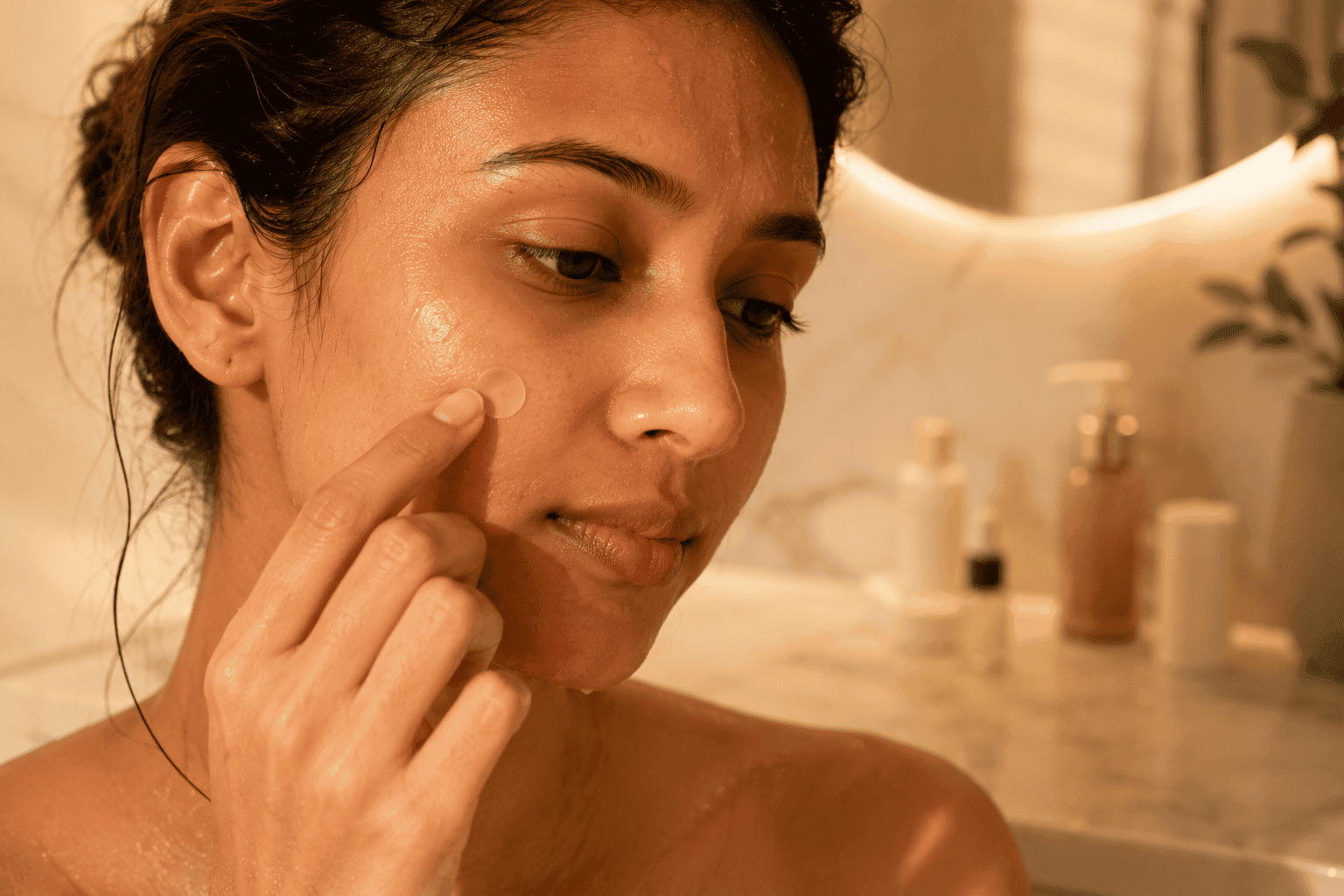
Press it onto bare skin, smoothing the edges down firmly so the adhesive border seals completely around the spot.
Continue your routine on the rest of the face. You can moisturize right up to the edge of the patch, but avoid layering moisturizer or SPF directly on top of it.
Let it sit for the recommended wear time (commonly 4-6 hours, or overnight) until it turns visibly cloudy or white, which signals it has absorbed fluid and is ready to be replaced.
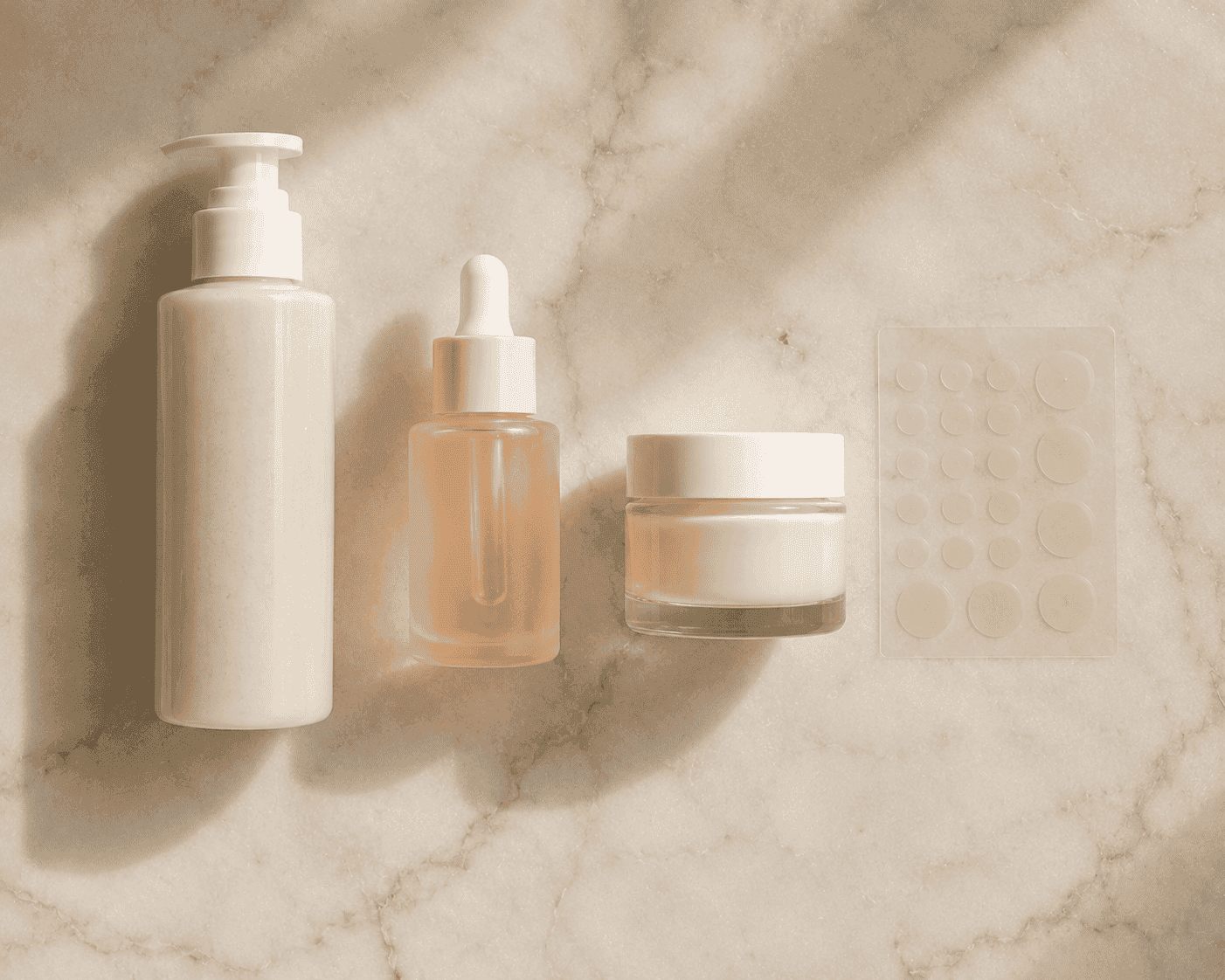
What NOT to Put Under a Patch, and Other Common Mistakes
The biggest mistake is applying a patch over moisturizer, oil, sunscreen, or heavy cream. These products leave a film that stops the adhesive from bonding. Even a light, fast-absorbing moisturizer can interfere without enough sink-in time. So when in doubt, leave the blemish bare and moisturize around it instead.
A second common mistake is patching too soon after a spot treatment. Benzoyl peroxide and salicylic acid often feel dry within minutes. Underneath, though, they're still absorbing. So sealing them immediately can trap excess product against the skin. In some cases, that increases irritation. Instead, give actives proper absorption time before covering the area.
A few other things are worth avoiding. First, don't apply a patch to a blemish that's still wet from washing. Second, don't stretch the patch to force adhesion on oily skin; instead, blot the area with a tissue first. Third, don't reuse a patch once it's turned cloudy. By then, it has absorbed what it can, and a fresh one performs better.
Can You Use Retinol or Benzoyl Peroxide Under a Pimple Patch?
Not straight away. Benzoyl peroxide, salicylic acid and retinol keep working after they feel dry, and a patch on top holds them against the spot, which can mean more redness and peeling. Let the treatment soak in fully first, at least 20 minutes, before you patch. On retinol nights, an easier option is to put the retinol on the rest of your face and keep the spot under the patch bare.
The same goes for moisturizer: apply it around the patch, not under it, or the patch won't stick.
Can You Wear Makeup Over a Pimple Patch?
Yes, most patches are designed to be worn under makeup. In fact, many sit nearly flat and invisible under foundation or concealer. The key is to let the patch fully adhere first. So press it down firmly, then wait a minute or two before applying anything on top.
When applying makeup over a patch, use light, patting motions. Dragging or rubbing strokes can lift the edges. Also, a thin layer of concealer blends a patch in more naturally than a thick, full-coverage one. Finally, avoid pressing setting powder firmly into the edges, since repeated pressure wears down the adhesive over the day.
Suppose you need a patch to be genuinely invisible in daytime. Then ultra-thin or matte-finish patches disappear best under makeup. By contrast, thicker, glossier versions suit overnight wear, when no makeup is involved.
Night Routine vs. Day Routine: What Changes
At night, patches have an easier job. After all, there's no makeup, no sunscreen, and no daytime friction. So you apply your spot treatment, let it absorb, and place the patch last before sleep. Overnight wear of 4-6 hours also gives the patch more time to absorb fluid. That's why many people use patches only at night.
During the day, there's more to plan around. You still treat first and patch last. However, you also factor in sunscreen. That goes on the surrounding skin, never directly over the patch. Makeup, meanwhile, goes on gently once the patch has set. Swapping a patch midday? Then repeat the same order. Wipe the area, let it dry, and apply the new patch on bare skin before any base makeup.
Here's one more day-specific tip. If you sweat heavily, swim, or face humid conditions, check the patch periodically. In those cases, moisture and friction loosen the adhesive faster than at night. So carry a couple of extra patches for touch-ups; it's a simple fix.
In Pakistan, Purelita pimple patches cost Rs 1,080 for 36, about Rs 30 each, with free delivery and Cash on Delivery. See pimple patch prices in Pakistan for packs of 2 and 3.
Frequently Asked Questions
Should I apply moisturizer before or after a pimple patch?
Apply moisturizer to the rest of your face but avoid putting it directly on the blemish itself. The patch should go onto bare, dry skin; you can moisturize right up to its edges without an issue.
Can I put sunscreen over a pimple patch?
It's better to apply sunscreen around the patch rather than directly on top of it, since sunscreen can weaken the adhesive. Patched areas are covered and protected from direct UV exposure anyway.
Do I apply a patch before or after benzoyl peroxide or salicylic acid?
Apply the spot treatment first and give it at least 20 minutes to soak in fully before you patch, or keep the patched spot bare and treat the rest of your face. Patching over a wet active can trap it against skin and stop the patch from sticking well.
Why does my pimple patch keep falling off?
The most common cause is residual product — moisturizer, oil, or sunscreen — left on the skin before application. Make sure the area is completely clean and dry, and press the edges down firmly when applying.
Can I wear makeup over a pimple patch?
Yes. Let the patch adhere fully for a minute or two first, then apply makeup with light patting motions instead of rubbing, which can lift the edges and shorten how long the patch stays on.
Should I use a patch during the day or only at night?
Both work, but nighttime wear allows for longer, uninterrupted absorption since there's no makeup or sunscreen to work around. Daytime use is fine too, just check adhesion periodically if you sweat.
What order should my full routine be with a patch involved?
Cleanse, apply any spot treatment and let it absorb, do the rest of your routine on unaffected skin, then apply the patch last on the bare blemish, followed by moisturizer and SPF around it.
Can I layer two patches on top of each other?
It's not necessary and won't speed up healing. Once a patch turns cloudy or white, it has absorbed what it can — replace it with a fresh one rather than stacking patches.
Final Advice
Layering a patch into your routine isn't complicated. Just remember the core principle: treat the skin, let everything absorb, then patch last on a clean, dry surface. Really, skipping that drying step is why most patches fail to stick, far more often than the patch itself. So get the order right. Then the patch can do its job — protect the area, absorb fluid, and let the blemish heal without interference.
This article is for informational purposes and reflects general dermatological consensus; consult a board-certified dermatologist for diagnosis and treatment of persistent or severe acne.