Your skin does most of its repair work while you're asleep, which is exactly why a good night serum matters more than people think. If you've been scrolling through Korean skincare shelves in Pakistan wondering which night serum is actually worth your money, you're not alone — the K-beauty aisle has gotten crowded fast, and half the labels sound like a chemistry exam.
This guide breaks down what a genuine "night serum" is supposed to do, which ingredients actually earn their spot in a bottle, how to pick one that suits Pakistani skin and climate, and where a PDRN-based serum fits into the picture. No hype, no miracle claims — just what's worth knowing before you buy.
What Makes a Night Serum Different From a Day Serum
A night serum is formulated to work while your skin is in repair mode, undisturbed by sun, pollution, or makeup. Because there's no SPF or environmental stress to plan around, night formulas can lean into richer actives — retinoids, peptides, PDRN, or higher concentrations of niacinamide — that would otherwise need extra sun protection during the day.
Day serums usually prioritise antioxidants and lightweight hydration to sit well under sunscreen. Night serums prioritise repair, renewal, and barrier support, often with slightly thicker textures since you're not layering makeup on top.
Why This Matters More in Pakistan's Climate
Karachi's humidity, Lahore's dust and pollution, and the dry heat in between all put extra stress on the skin barrier during the day. A well-formulated night serum gives your skin a chance to recover from that stress before the next round starts. If you deal with breakouts during humid months, it's worth reading about why monsoon season makes skin act up so your night routine works with your environment, not against it.
Ingredients That Actually Matter in a Korean Night Serum
Korean skincare gets praised for its ingredient innovation, but not every trending ingredient deserves shelf space in your routine. Here's what's genuinely useful for a night formula, based on current dermatology and skincare science reporting:
- PDRN (polydeoxyribonucleotide) — a salmon-DNA-derived ingredient that supports the skin's own collagen and hyaluronic acid production, helps with hydration, and is generally well tolerated even by reactive skin.
- Niacinamide — a form of vitamin B3 that helps even out the look of skin tone, supports the barrier, and pairs well with almost everything else in a routine.
- Hyaluronic acid — a humectant that draws water into the surface layers of skin, used as a hydration base before heavier actives.
- Centella asiatica (cica) — calming and commonly used for sensitive or irritated skin.
- Snail mucin — hydrating and often used in repair-focused ampoules.
- Retinol/retinal — effective for texture and fine lines, but can be irritating for beginners or sensitive skin without a gradual introduction.
If you're deciding between a gentler ingredient like PDRN and something stronger like retinol, our breakdown of PDRN vs retinol for firmer-looking skin covers the tradeoffs in more depth.
How to Choose the Right Night Serum for Your Skin
Not every "best of" list actually accounts for your skin type or your budget, so here's a more practical way to narrow it down.
Match the Serum to Your Main Concern
Start with the one thing bothering you most, not everything at once. Trying to fix dullness, fine lines, breakouts, and dehydration in a single serum usually means diluted results and a higher chance of irritation.
- Sagging or loss of firmness → look for PDRN, peptides, or collagen-supporting formulas.
- Dullness and uneven tone → niacinamide or vitamin C-adjacent brighteners.
- Dehydration and tightness → hyaluronic acid or ceramide-based serums.
- Active breakouts → keep actives minimal and check our complete oily skin routine guide before adding a new serum.
Consider Your Skin's Tolerance
If your skin reacts easily — redness, stinging, or breakouts from new products — gentler actives like PDRN and niacinamide are usually a safer starting point than retinol or high-percentage acids. You can always build up to stronger actives later.
Comparing Popular Korean Night Serum Categories
Since "best" depends heavily on what you're treating, here's a side-by-side look at the main categories people search for in Pakistan, rather than pushing one single winner.
| Serum Type | Main Ingredient | Best For | Texture | Beginner Friendly |
|---|---|---|---|---|
| Firming/Repair Serum | PDRN | Firmness, plumpness, overnight recovery | Lightweight gel-serum | Yes |
| Brightening Serum | Niacinamide + Vitamin C derivatives | Uneven tone, dullness | Light to medium | Yes |
| Anti-Aging Serum | Retinol/Retinal | Fine lines, texture | Medium, can feel heavier | No, needs gradual use |
| Hydration Ampoule | Snail mucin or Hyaluronic acid | Dryness, barrier support | Gel to slightly tacky | Yes |
| Calming Serum | Centella asiatica (cica) | Redness, sensitivity, post-breakout skin | Light | Yes |
Where PDRN Firming Night Serum Fits In
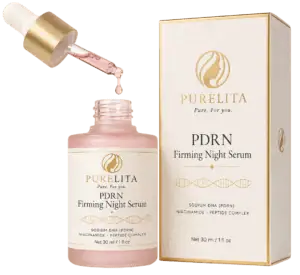
For anyone whose main concern is firmness and that "plump, rested" look in the morning rather than treating active breakouts, the PDRN Firming Night Serum combines PDRN with niacinamide and hyaluronic acid in one overnight formula. It's built for people who want a gentler alternative to retinol-based firming routines, without giving up on visible results over time.
It's priced from Rs 2,850, which puts it in a reasonable middle ground for imported K-beauty actives sold in Pakistan — not the cheapest bottle on the shelf, but formulated with a clear, single purpose rather than trying to be a ten-ingredient miracle serum.
How to Use It
Apply after cleansing and toning, before your night moisturizer. A few drops are enough — press gently into the skin rather than rubbing, and give it a minute to absorb before moisturizer goes on top. If you also use pimple patches or spot treatments as part of your routine, our guide on layering skincare with pimple patches explains the right order so actives don't interfere with adhesion.
Expert Tips for Getting the Most Out of a Night Serum
- Apply to slightly damp skin. Serums absorb better and feel less tacky when your face isn't bone dry after cleansing.
- Give new actives two to four weeks before judging results. Skin renewal happens on a cycle, not overnight — even "overnight" serums need consistent use to show visible change.
- Don't skip moisturizer after a serum. Serums are treatment layers, not replacements for locking in hydration.
- Patch test anything new, especially if you have reactive or sensitive skin, even with gentle ingredients like PDRN.
- Store serums away from direct heat and sunlight. Pakistan's summer heat can degrade active ingredients faster if bottles are left near a window.
Common Mistakes People Make With Night Serums
- Layering too many actives at once. Mixing retinol, vitamin C, and multiple acids in the same routine often causes irritation instead of faster results.
- Using a day serum's worth of product for night application. Night serums are often more concentrated — more isn't always better, and overuse can trigger sensitivity.
- Expecting immediate results. Firmness and texture improvements from ingredients like PDRN build up gradually with consistent use, not after two nights.
- Ignoring your skin type when choosing a serum. A heavy anti-aging serum on already oily, breakout-prone skin can clog pores and cause more issues than it solves — see our guide on telling active breakouts from acne scars if you're unsure what you're actually treating.
- Buying from unverified sellers. Korean skincare is one of the most counterfeited categories online — check batch codes, seals, and seller reputation before buying, the same way you'd check for fake hydrocolloid patches when shopping for patches online.
Building a Full Night Routine Around Your Serum
A serum works best inside a routine, not on its own. A simple, effective night sequence looks like this:
- Cleanse to remove sunscreen, makeup, and daily buildup.
- Tone if you use one, to rebalance skin before treatment steps.
- Apply your night serum (hydrating step first, then treatment actives like niacinamide).
- Spot-treat any active breakouts separately, if needed.
- Moisturize to seal everything in.
If your under-eye area needs separate attention, that's usually a job for a dedicated under-eye patch rather than expecting a face serum to cover it — the skin there is thinner and behaves differently. You can browse the full range of options in the Serums category if you're comparing formulas side by side.
How Much Should You Actually Spend?
Price in Korean skincare doesn't always track with quality, and it's easy to assume the more expensive bottle must be doing more. In reality, cost is driven by packaging, import duties, brand marketing, and ingredient concentration — not necessarily by results.
A reasonable range for an imported, single-purpose night serum in Pakistan sits somewhere between Rs 1,800 and Rs 4,500, depending on the brand and formula strength. Anything dramatically cheaper than that is worth double-checking for authenticity before you buy, and anything dramatically more expensive should have a clear reason — a higher active concentration, a harder-to-source ingredient, or clinical backing — rather than just brand premium.
Cost Per Use Matters More Than Sticker Price
A Rs 3,000 serum that lasts three months works out cheaper per use than a Rs 1,500 serum you finish in three weeks because the dropper dispenses too much. When comparing options, check the bottle size and how many drops a typical application actually needs — most face serums only need three to five drops per use.
Building the Rest of Your Skincare Routine Around It
A single serum rarely solves everything on its own, and pairing it with the right supporting products makes a bigger difference than switching serums every few weeks looking for a better one. If you're also managing occasional breakouts alongside firmness or hydration concerns, it helps to treat those as separate problems rather than expecting one product to do both jobs.
For spot treatment on active pimples, a targeted approach — like hydrocolloid patches instead of spot creams — tends to work faster and with less irritation than layering more serums on top of a breakout. Keep your night serum for overall skin health and let spot treatments handle individual blemishes.
If you're new to Korean skincare altogether and want the bigger picture before building a full routine, our complete guide to Korean skincare for Pakistani skin walks through how local climate, water hardness, and sun exposure should shape your product choices, not just what's trending online.
Frequently Asked Questions
Is PDRN better than retinol for night serums?
They work differently rather than one being strictly "better." PDRN tends to be gentler and better tolerated by sensitive skin, while retinol has a longer track record for treating fine lines and texture but often requires a gradual introduction to avoid irritation.
Can I use a Korean night serum every night?
Gentler formulas like PDRN or hyaluronic acid-based serums are generally fine for nightly use. Stronger actives like retinol or high-percentage acids are usually better started a few nights a week and increased gradually as your skin adjusts.
Do night serums work for oily or acne-prone skin?
Yes, as long as you choose a lightweight, non-comedogenic formula. Gel-based serums with niacinamide or PDRN tend to sit well on oily skin without adding extra heaviness.
How long before I see results from a night serum?
Most people notice changes in hydration and skin texture within two to four weeks of consistent use. Firmness-related changes, like those from PDRN, tend to build more gradually with continued use over several weeks.
What's the right order to apply a night serum with other products?
Cleanse first, then apply thinner, water-based serums before thicker treatment serums, and finish with moisturizer. Hydrating steps generally go before active treatment steps like niacinamide.
Is it safe to combine a night serum with pimple patches?
Yes, but apply spot treatments and patches to clean, dry skin after your serum has absorbed, so the adhesive holds properly. For a full breakdown, see our guide on layering skincare with pimple patches.
The Bottom Line
There isn't a single "best" Korean night serum for everyone in Pakistan — the right one depends on what your skin actually needs, how it tolerates new actives, and how consistent you're willing to be with it. What matters more than chasing viral bottles is picking a formula suited to your concern, introducing it properly, and giving it time to work.
If firmness, plumpness, and that well-rested morning look are what you're after, the PDRN Firming Night Serum is a solid, gentle place to start — formulated with PDRN, niacinamide, and hyaluronic acid to support your skin overnight without the irritation risk that comes with stronger actives.