}%3C/style%3E%3ClinearGradient id='id0' gradientUnits='userSpaceOnUse' x1='21.96' y1='13.35' x2='18.7' y2='40.98'%3E%3Cstop offset='0' stop-color='%23D0AD83'/%3E%3Cstop offset='1' stop-color='%23E8C094'/%3E%3C/linearGradient%3E%3C/defs%3E%3Cpath class='fil0' d='M5.56 30.86l.02.03-.02-.03zm20.01-29.98l0-.02-.02.01.02 0c.03.04.12.1.17.14.32.24.85.71 1.11 1 .03.04.04.05.07.09.39.4.81 1.02 1.1 1.51.13.23.05.01.22.26.46.66.95 1.42 1.32 2.11l.23.43c.08.15.14.29.22.44.94 1.87 1.56 3.84 1.93 5.9.07.37.12.75.17 1.13l.14 1.82c0 .1.02.18.02.31l0 .97c-0 .1-.02.18-.02.31l-.12 1.51c-.15 1.24-.32 2.07-.66 3.27-.22.77-.63 1.87-.99 2.59l-.82 1.46c-.34.51-.56.84-.95 1.34-.05.07-.09.12-.15.18l-.6.71c-.03.03-.05.05-.08.08-.17.19-.35.4-.54.59l-.97 1c-.08.05-1.05 1.04-1.22 1.21-.22.21-.46.52-.66.74-.06.07-.11.13-.16.2-.7.94-1.15 1.89-.73 3.16.11.31.16.43.31.72.18.34.36.54.62.8.04.04.16.14.18.18-.07 0-.17.04-.24.06-.09.03-.16.04-.25.06-.58.14-.91.21-1.53.29-1.36.18-2.89-0-3.99-.75-.16-.11-.46-.32-.6-.45-.03-.03-.05-.05-.08-.08-.58-.48-1.23-1.49-1.49-2.15-.05-.13-.11-.3-.15-.46-.14-.6-.13-1.06.01-1.62.12-.49.43-.99.78-1.34l.16-.15c.38-.36.89-.6 1.41-.73.08-.02.2-.04.26-.06.21 0 .4-.05.67-.03.08 0 .17-.01.24 0 .31.03.56.09.82.16.13.04.24.08.37.13l.34.15c.24.11.43.25.71.29.54.08 1.1-.13 1.36-.59.26-.46.2-1.05.39-1.6.17-.5.42-.89.69-1.28.25-.37.15-.27.55-.43.22-.09.47-.23.63-.37.14-.12.38-.37.32-.64-.11-.59-.89-.85-1.34-1.14-.11-.07-.19-.13-.26-.25 1.4-.33 2.41.32 2.6-.85.03-.18-.01-.37-.08-.48-.06-.09-.19-.18-.27-.3-.16-.24-.21-.61-.06-.91.18-.36.47-.46.79-.64.07-.04.12-.07.19-.1.23-.11.44-.24.67-.36l-1.97 9.61 1.97-9.61c.15-.08.31-.16.47-.22.75-.3.75-.83.43-1.44-.03-.06-.06-.11-.11-.17-.12-.14-.23-.28-.33-.43l2.51-12.26-2.51 12.26c-.13-.19-.26-.38-.39-.57-.04-.07-.07-.11-.11-.18-.15-.23-.29-.48-.42-.73-.38-.75-.66-1.55-.77-2.39-.14-1.05.03-1.88.33-2.77.09-.28.17-.63.22-.93.1-.51.18-.98.2-1.52.01-.17.03-.35.03-.54l-.05-1.67c-.05-.39-.07-.59-.17-.98-.21-.86-.6-1.64-1.08-2.37l-.36-.49c-.22-.27-.44-.52-.68-.76l-.45-.4c-1.12-.91-2.29-1.46-3.74-1.75-.52-.1-1.05-.11-1.61-.11-1.95 0-4.18.31-5.99.91-.15.05-.29.09-.43.14l-.84.31c-.13.05-.27.11-.41.16-.97.4-1.94.91-2.83 1.47-.06.04-.12.07-.18.11l-.51.34c-.07.04-.11.08-.17.12-.12.08-.22.16-.34.24l-.48.37c-.06.05-.11.09-.17.13-.29.23-.57.48-.85.73l-.22.2c-.13.1-.34.31-.45.42-.09.09-.2.19-.29.29l-.48.52c-.24.29-.49.56-.73.85-.05.06-.09.11-.13.16-.08.11-.17.21-.25.32l-1.16 1.71-.52.91c-.31.57-.59 1.16-.83 1.76-.05.13-.11.27-.16.41-.05.14-.11.27-.16.42-.05.14-.09.31-.15.44-.02.07-.04.14-.07.21-.31.93-.66 2.46-.77 3.43-.02.16-.04.34-.06.5-.03.28-.05.76-.08 1.03-.01.09 0 .19-0 .28-.03.39-.01.97-.02 1.38l.04.8c.01.07.02.21.02.27.02.34.06.68.11 1.01.18 1.3.44 2.4.85 3.64.02.07.05.13.07.21.03.08.04.14.07.21.28.72.48 1.26.84 1.97.3.61 1.01 1.88 1.44 2.47l.24.34c.27.39.55.74.85 1.1l.65.75.98.99c.42.42 1.57 1.36 2 1.65.06.04.11.07.16.12.51.38 1.67 1.08 2.25 1.38.13.07.26.12.38.19-.01-.04-.26-.31-.32-.37-.03-.03-.04-.04-.07-.08-.61-.77-.75-.99-1.28-1.87l-.8-1.48c-.03-.06-.06-.13-.09-.19-.1-.21-.29-.57-.37-.77l-.27-.6c-.32-.74-.55-1.25-.81-2.05-.22-.65-.34-1.11-.5-1.79-.09-.37-.29-1.59-.29-1.99l-.03-.55c-.03-.19.02-1.11.05-1.37.01-.07.03-.2.03-.27.01-.33.2-1.15.28-1.47.04-.15.08-.32.13-.46.1-.29.19-.58.3-.86.12-.29.23-.55.36-.83.06-.13.13-.26.2-.38l.21-.38c.67-1.13 1.01-1.58 1.82-2.59.13-.16.28-.31.41-.48l.84-.92c.28-.28.93-.97 1.18-1.17.1-.08.44-.44.61-.57.05-.04.1-.1.15-.15.27-.26.67-.59.93-.85l.92-.84c.06-.06.1-.08.16-.14l1.97-1.84c.05-.05.1-.08.16-.14.2-.2.39-.39.59-.59l.85-.9c.18-.18.64-.72.82-.94.18-.23.35-.43.52-.66.63-.84 1.4-1.98 1.69-3.01.16-.58.17-1.24-.01-1.82-.02-.07-.06-.15-.08-.22.52.12.98.24 1.45.47l.41.24c.26.17.48.36.7.58.69.7 1.08 1.64 1.19 2.68.09.82.04 1.65-.15 2.34-.2.69-.41 1.29-.68 1.9-.27.6-.58 1.15-.92 1.68-.04.07-.08.12-.12.19l-.4.57c-.22.31-.47.6-.72.89-.03.03-.05.05-.08.08-.03.04-.04.05-.08.09l-.31.34c-.04.05-.1.11-.15.16-.03.03-.05.05-.08.08l-.82.79c-.04.04-.05.04-.09.07l-.17.16c-.23.23-.79.68-1.06.88l-1.73 1.33c-.03.02-.06.04-.09.07-.06.05-.11.09-.17.14l-2.04 1.69c-.03.03-.05.05-.08.08-.04.03-.05.04-.09.07-.03.03-.05.05-.08.08-.03.03-.05.03-.08.07l-1.4 1.36c-.06.06-.09.11-.16.17-.2.2-.58.61-.76.85-.05.07-.1.11-.15.18l-.28.36c-.09.12-.18.24-.28.36l-.41.56c-.23.32-.43.66-.63 1-.08.14-.15.29-.23.42-.1.22-.26.51-.35.74-.1.25-.24.55-.32.8-.22.68-.32.99-.45 1.75-.21 1.22-.15 2.79.2 3.97.06.2.11.38.17.57.06.18.13.35.2.53l.23.51c.12.24.22.48.37.73.29.52.51.86.88 1.32l.34.4c.13.13.38.44.54.56.13.1.38.35.58.52.46.36 1.01.78 1.54 1.04.22.11.34.18.61.31.04.02.07.04.12.06.84.35 1.67.64 2.59.73l.49.05c.06 0 .13-0 .2 0 .2.02.48.03.71.03.13-0 .2.02.33.02l.02 0 1.08-.02c.08 0 .11-.01.17-.01.06-.01.12-0 .18-0l1.03-.09c.23-.03.43-.05.66-.08 1.69-.25 3.34-.7 4.89-1.37.32-.14.95-.42 1.25-.59.44-.24.75-.4 1.18-.66.43-.26.93-.58 1.34-.88.07-.05.13-.1.21-.15l.42-.32c.14-.11.27-.22.41-.33l.98-.86c.07-.07.12-.12.19-.19l.19-.17c.07-.07.12-.12.19-.19l.36-.38c0-0 .01-.01.01-.01 0 .01.01-.01.01-.02.23-.26.5-.53.72-.82.33-.42.55-.69.87-1.13.03-.05.05-.07.08-.12.4-.55.68-1.04 1.02-1.61.05-.09.09-.17.14-.25.03-.05.04-.08.07-.13.12-.22.24-.43.34-.66.08-.18.18-.36.26-.54l.47-1.14.41-1.2c.2-.73.32-1.11.48-1.91.12-.61.26-1.46.31-2.11l.08-1.53c.02-.27-.02-.53-.02-.79 0-.79-.15-2.18-.29-2.93-.33-1.71-.62-2.71-1.29-4.32-.17-.4-.38-.85-.58-1.23-.25-.48-.53-.95-.81-1.41l-.64-.97c-.31-.42-.62-.85-.96-1.24l-.86-.97c-.1-.12-.28-.29-.4-.41-.07-.07-.13-.13-.2-.2l-.94-.85c-.04-.03-.08-.06-.12-.1-.61-.54-1.67-1.28-2.34-1.68-.22-.13-.66-.4-.88-.51l-.67-.34c-.09-.05-.17-.08-.26-.13-.05-.03-.08-.04-.13-.06-.05-.02-.09-.04-.15-.07l-1.42-.58c-.16-.06-.8-.29-.91-.3zm-23.04 13.42c.01-.08.09-.29.12-.39.05-.14.08-.26.14-.39.05-.13.09-.24.14-.37.05-.12.1-.24.15-.37l1.03-2.08.59-.95c.07-.1.14-.21.21-.31.08-.1.14-.2.22-.31l.45-.59c.08-.1.15-.19.23-.29l.59-.69c.05-.05.08-.08.13-.14.11-.14.28-.26.39-.4.1-.14.64-.6.8-.76.57-.57 1.87-1.49 2.52-1.9l1.85-1.01c.07-.03.11-.05.18-.08.6-.28 1.22-.52 1.85-.73.34-.11.68-.2 1.02-.3.07-.02.14-.04.21-.05.14-.03.28-.07.41-.1.81-.17 2.51-.5 3.2-.29.24.08.48.2.64.4.19.24.27.45.25.79-.04.78-.71 1.78-1.18 2.45-.28.4-.57.8-.9 1.17l-.24.29c-.11.14-.26.27-.36.41-.04.06-.08.08-.13.14-.05.05-.06.08-.11.13l-.63.67c-.14.14-1.13 1.12-1.33 1.28-.13.11-.27.25-.4.38l-1.02.93c-.03.02-.04.03-.07.06l-.68.62c-.26.25-.55.48-.8.74-.2.2-.47.42-.68.63l-.4.37c-.09.09-.17.17-.26.26l-1.04 1.03c-.26.26-.5.54-.76.8-.05.05-.07.09-.12.14-.05.05-.07.09-.12.14l-.36.41c-.04.05-.08.1-.12.14-.23.29-.47.57-.69.87l-.33.45c-.25.36-.5.73-.72 1.1-.29.48-.59 1-.8 1.53l-.37.92c-.05.13-.09.26-.13.39-.13.39-.25.82-.33 1.23-.01.07-.07.4-.09.43l-.07.5c-.02.16-.03.33-.06.5-.05.34-.05 1.27-.04 1.64.01.47.09 1.07.15 1.54.05.32.11.64.17.95.18.91.41 1.55.69 2.4.02.06.07.17.07.22-.13-.09-.8-1.09-.97-1.33-.05-.07-.09-.13-.14-.21l-.55-.94c-.03-.04-.04-.06-.06-.1-.14-.27-.34-.62-.44-.89-.03-.08-.07-.15-.11-.22-.07-.16-.14-.3-.2-.47-.28-.7-.49-1.24-.69-1.97-.18-.63-.4-1.52-.48-2.18-.03-.21-.14-.97-.15-1.18-0-.19-.04-.42-.05-.61-.01-.2-.04-1.12-.02-1.28.01-.12-0-.35 0-.49 0-.08.01-.08.02-.16.01-.43.05-.83.1-1.23.1-.89.34-2.16.62-3.02.03-.09.05-.18.08-.26zm30.14 17.97c-.08.05-.49.49-.61.6-.04.03-.05.03-.08.07l-.24.22c-.12.13-.52.44-.66.56-.2.18-.82.63-1.04.78l-1.11.71c-.13.08-.25.15-.38.22l-.8.42c-.63.26-1.26.52-1.9.09-.34-.23-.62-.72-.72-1.11-.16-.67.18-1.29.56-1.79l.86-.97c.09-.09 1.17-1.16 1.22-1.23.08-.05.42-.41.52-.51l.89-.95c.03-.03.03-.04.06-.07.41-.44 1.15-1.41 1.44-1.84l.42-.63c.4-.61.97-1.74 1.24-2.42.65-1.61 1.09-3.23 1.32-4.97l.13-1.19c.02-.24.05-.48.05-.74 0-.1.02-.14.02-.25-0-.09-0-.18-0-.26 0-.1.02-.14.02-.25-0-.2.01-.63-.01-.78-.02-.16.01-.35-.01-.51-.02-.13-.02-.37-.02-.5-.02-.65-.26-2.29-.36-2.8l-.39-1.71c-.12-.4-.23-.83-.36-1.22-.05-.14-.09-.26-.14-.39-.21-.64-.68-1.8-.99-2.42-.06-.11-.24-.46-.26-.53l.32.27c.03.03.05.05.07.07.04.03.05.03.08.07l.38.36c.17.14.37.34.53.51.03.04.04.05.07.08l.5.54c.76.9 1.53 1.89 2.1 2.93l.61 1.16.7 1.66c.31.78.6 1.98.76 2.78.12.61.24 1.49.27 2.11 0 .07.01.06.02.13 0 .05-0 .1 0 .15 0 .09.02.16.02.28-0 .28.04.91.01 1.16l-.02.57c0 .12-.02.17-.02.28-0 .08-.01.19-.02.28-.02.17-.04.37-.06.53-.15 1.16-.36 2.32-.74 3.4-.03.08-.04.15-.07.22-.03.07-.05.14-.08.22-.13.4-.49 1.29-.69 1.69-.38.74-.69 1.39-1.16 2.09-.15.23-.31.48-.48.71l-.77 1c-.03.03-.04.05-.07.08-.03.03-.03.05-.07.08l-.85.94z'/%3E%3Cpath class='fil1' d='M160.98 4.67l.07 0c.02.09.06.17.08.26l.26.8c.8 2.4 1.57 4.83 2.37 7.22.03.09.06.2.09.27l-5.7 0 2.83-8.56zm-8.41 16.49l3.2 0 1.76-5.3 7.04-0c.04.16.58 1.67.68 1.98l.8 2.32c.04.11.07.22.11.33.04.11.07.21.11.33.02.06.04.11.06.17.02.04.04.12.06.17l3.43 0c-.01-.06-.03-.09-.05-.15l-.58-1.67c-.19-.58-.43-1.23-.64-1.81-.07-.21-.13-.41-.21-.61-.13-.32-.3-.86-.42-1.21l-.85-2.43c-.26-.79-.58-1.63-.85-2.42-.07-.21-.13-.4-.21-.61-.13-.35-.28-.86-.42-1.22-.08-.2-.14-.4-.21-.61-.07-.21-.14-.39-.21-.61-.33-.98-.74-2.05-1.06-3.03l-1.07-3.04-4.01 0-6.05 18.18c-.07.2-.13.4-.2.6l-.21.61z'/%3E%3Cpath class='fil2' d='M90.6 11.23l-4.4 0 0-7.92 3.89 0c1.23 0 2.59.12 3.59.73.71.43 1.12 1.16 1.27 1.97.16.88.09 2.02-.19 2.87-.15.46-.42.92-.76 1.26-.39.39-.94.68-1.48.83-.56.16-1.21.26-1.91.26zm-6.18 9.92l1.77 0 0-8.36 5.04 0c.06 0 .12.14.16.23l.44.79c.05.09.09.16.14.25l.29.53c.24.47.64 1.1.88 1.57.05.09.1.17.15.26l2.34 4.2c.1.17.2.35.29.53l1.95 0-.91-1.65c-.17-.33-.56-1.01-.76-1.37-.05-.1-.1-.18-.15-.27-.17-.33-.43-.76-.62-1.11-.23-.44-.54-.95-.76-1.37-.05-.09-.1-.18-.15-.27-.05-.1-.1-.18-.15-.27-.29-.54-.62-1.1-.91-1.65-.05-.1-.1-.18-.15-.27-.05-.1-.11-.18-.15-.27-.03-.07-.14-.23-.15-.3.08-.02.15-.04.22-.06.07-.03.13-.05.2-.07.51-.2 1.03-.46 1.47-.8.14-.11.51-.42.6-.53.48-.57.79-.93 1.07-1.77.28-.84.33-1.38.33-2.33 0-1.16-.39-2.28-1.05-3.09-.42-.52-.95-.91-1.55-1.21-.96-.48-2.27-.71-3.45-.71l-6.44 0 0 19.4z'/%3E%3Cpolygon class='fil1' points='139.06 4.39 144.87 4.39 144.87 21.16 148.01 21.16 148.01 4.39 153.77 4.39 153.77 1.76 139.06 1.76'/%3E%3Cpolygon class='fil1' points='118.34 21.16 130.06 21.16 130.06 18.49 121.48 18.49 121.48 1.76 118.34 1.76'/%3E%3Cpath class='fil2' d='M65.11 14.98c0 .76.14 2.13.44 2.88.1.25.12.32.24.58l.14.27c.23.46.55.82.9 1.18.29.29.6.49.95.71.5.3 1.24.53 1.82.66 1.2.27 2.65.27 3.86.12.39-.05 1.03-.18 1.39-.3.22-.07.42-.14.62-.22.67-.27 1.58-.85 2-1.4.03-.04.06-.07.1-.11.38-.49.62-.85.86-1.49.31-.81.5-1.79.5-2.9l0-13.21-1.81 0 0 13.22c0 1.38-.31 2.8-1.24 3.72-.86.86-2.2 1.19-3.87 1.19-.81 0-1.6-.1-2.22-.3-.94-.3-1.82-.92-2.26-1.81-.04-.08-.07-.14-.1-.21-.19-.39-.37-1.03-.43-1.48-.05-.36-.1-.75-.1-1.17l0-13.17-1.81 0 0 13.22z'/%3E%3Cpath class='fil2' d='M54.11 12.17l-3.53 0 0-8.85 3.5.02.92.05c.67.07.99.1 1.65.27.18.05.32.09.49.15.08.03.16.06.22.09.36.16.7.36.97.64.8.8.97 1.86.97 3.09 0 .82-.13 1.48-.34 2.09-.25.72-.85 1.45-1.54 1.8-.04.02-.06.03-.1.05-.83.45-2.2.61-3.22.61zm-5.31 8.98l1.77 0 0-7.39 3.45 0c.55 0 1.08-.04 1.58-.1.84-.09 1.88-.35 2.63-.72.38-.19.72-.4 1.04-.65 1.23-1 1.92-2.58 1.92-4.81 0-1.22-.28-2.61-.96-3.52-.11-.14-.21-.29-.34-.42-.12-.11-.22-.25-.38-.37-.34-.27-.29-.23-.65-.47-.33-.22-.92-.44-1.3-.57-.36-.12-.82-.21-1.23-.27-.43-.06-.93-.1-1.41-.1l-6.11 0 0 19.4z'/%3E%3Cpolygon class='fil2' points='101.38 21.16 112.61 21.16 112.61 19.6 103.18 19.6 103.18 12.11 111.76 12.11 111.76 10.51 103.18 10.51 103.18 3.32 112.35 3.32 112.35 1.76 101.38 1.76'/%3E%3Cpolygon class='fil1' points='133.29 21.16 136.43 21.16 136.43 1.76 133.29 1.76'/%3E%3Cg class='fil2'%3E%3Cpath d='M52.86 30.09l-.31-.02c-.1-.01-.16-.03-.25-.03l.36-3.25.61.05c.28.04.62.14.84.28.14.09.18.13.29.25.07.08.08.08.15.2.26.48.24 1.16.03 1.65-.27.63-.98.87-1.72.87zm-3.96.16c.07-.04.12-.1.21-.17.07-.06.14-.12.21-.19.04-.04.06-.04.1-.08.06-.06.27-.23.31-.28-.03-.14-.21-.35-.21-.92 0-.56.35-1 .79-1.24.15-.08.35-.18.51-.24.07-.03.12-.04.2-.07.27-.09.52-.14.81-.21l-.1.87c-.03.29-.07.58-.1.89-.06.58-.12 1.17-.2 1.76-.1.79-.11 1.73-.66 2.28-.19.19-.18.17-.31.15-.15-.02-.3-.04-.44-.05-.05.07-.1.09-.16.15l-.5.49.43.03c.07.01.15 0 .23 0 .15 0 .45.03.66.03l.87.05c.21.02.19-.02.32-.14.08-.08.15-.14.24-.22.05-.05.2-.18.22-.24l-.49-.02c-.08-0-.08-.01-.16-.02-.22-.01-.44-.03-.66-.03.01-.01.4-.22.55-.32.44-.3.48-.64.58-1.16l.1-.77c.09-0 .23-.03.33-.03.2-.02.42-.07.61-.11.11-.03.19-.06.29-.09.38-.1.89-.4 1.19-.64.24-.19.44-.42.6-.68.1-.17.05-.1.12-.24.18-.37.21-.91.1-1.33-.25-.87-1.36-1.14-2.2-1.14-.88 0-1.37.01-2.22.3-.25.08-.47.19-.69.32-.14.08-.32.19-.44.29-.28.23-.39.31-.63.63-.23.31-.37.65-.45 1.04-.03.15-.04.3-.05.46-.02.16.05.76.11.88z'/%3E%3Cpath d='M83.23 30.26c.08-.02.64-.61.73-.68.05-.04.07-.06.11-.11-.03-.12-.23-.41-.23-.85 0-.92.66-1.29 1.4-1.46.25-.06.58-.07.89-.07l-.1.84c-.03.29-.05.57-.09.86-.04.29-.06.56-.09.84l-.2 1.69c-.08.54-.24 1.11-.68 1.45-.08.06-.08.04-.19.03-.14-.01-.29-.04-.43-.05l-.49.48c-.06.06-.12.09-.17.16.18 0 .44.03.66.03.1 0 .13.02.23.02l.66.03c.19.01.44-0 .68.03.22.03.21-.01.34-.13.07-.07.44-.38.46-.47l-.53-.02c-.25-.01-.59-.05-.85-.05.1-.09.74-.27.99-.88.23-.57.19-1.22.28-1.6.26 0 .6-.02.85 0 .58.05.99.1 1.43-.27.15-.12.33-.29.43-.44l-.65.09c-.54.07-1.42.04-1.99.04l.3-2.69 1.1-0c.09 0 .11.02.21.02.08 0 .15-0 .23-0 .1-0 .13.02.21.02 1.16.03.8.54.79.89.32 0 .36-.19.48-.47.12-.26.32-.85.42-1.07-.25 0-.74.05-.99.05-.1-0-.26-.01-.36 0-.26.04-1.9.01-2.42.01-.14 0-.23.01-.35.02-.2.01-.44.04-.63.08-.19.03-.39.09-.56.14-.09.03-.16.06-.25.1-.16.07-.41.21-.56.31-.61.46-1.02 1.04-1.15 1.83-.03.21-.04.44-.03.65.02.35.09.45.1.61z'/%3E%3Cpath d='M110.58 31.4l0 .01c0-0-.01-0-0-.01zm-3.84-1.76c0 .11.07.19.15.21.01-.06.04-.08.07-.14.12-.25.38-.59.68-.6.25-.01.3.51.3.75 0 .08.02.1.02.2 0 .07-0 .14-0 .21 0 .09.02.1.02.2.01.44.04.82.05 1.23 0 .13.04.41.03.61-0 .34.07 1.22.51 1.22.32 0 .48-.15.73-.37l.69-.8c.08-.1.14-.19.21-.3l.38-.62c0 .11-.37 1.93-.39 2.04-.13.72-.26 1.28-.49 1.96-.14.41-.34.86-.68 1.14-.15.13-.13.13-.36.25-.3.15-.58.2-.99.22-.16.01-.42-.04-.55-.06l-.35-.1c-.04-.02-.07-.03-.12-.05l-.64.69c.16.08.6.16.79.16.78-0 1.54-.26 2.15-.72.16-.12.5-.4.62-.56.05-.07.1-.09.17-.19l.17-.21c.07-.1.13-.18.19-.29.69-1.1.94-2.86 1.19-4.1.14-.71.32-1.7.49-2.38l.16-.57c.02-.06.05-.11.06-.18-.06.03-.15.05-.22.08l-.46.16c-.07.03-.16.07-.24.08-0 .14-.25 1.3-.28 1.41-.17.59-.37.96-.66 1.44-.06.1-.1.17-.17.26-.17.23-.6.83-.93.74-.25-.07-.25-.79-.28-.98-.01-.06-.01-.11-.01-.2 0-.1-.01-.12-.02-.2-.02-.28-.02-.54-.03-.82l-.02-.39c-.01-.08-.01-.12-.01-.2-0-.09-.02-.1-.02-.2-0-.22-.06-.57-.11-.74-.17-.56-.66-.48-1.04-.2-.21.16-.77.61-.77.92z'/%3E%3Cpath d='M61.43 28.76c0 .19-.19 1.37-.22 1.5-.1.4-.19.59-.37.93-.1.19-.39.62-.53.78-.27.32-.56.64-.96.78-.1.03-.24.07-.35.02-.13-.05-.14-.23-.14-.37 0-.69.17-1.71.23-2.45.03-.41.3-1.44-.33-1.45-.28-0-.57.24-.77.4-.05.04-.08.08-.13.12-.05.04-.07.06-.12.11-.16.16-.57.61-.42.84.02.04.03.05.08.07.01-.06.11-.21.14-.27.13-.22.39-.6.68-.6.15 0 .16.17.16.3 0 .29-.19 2.1-.24 2.44-.02.14-.03.26-.04.4-.03.39-.16 1.22.43 1.22.51 0 .92-.35 1.27-.65.04-.03.05-.03.08-.07.05-.05.09-.1.15-.15.21-.16.74-.81.91-1.06l.1-.15c.02-.03.01-.01.02-.03 0 .38-.34 1.61-.12 1.95.2.31.66.11.89-.06.19-.14.22-.19.39-.35.14-.13.59-.71.59-.87 0-.08-.09-.16-.16-.16-.05.2-.42.86-.79.94-.15.03-.19-.05-.2-.2l.36-2.7c.04-.26.07-.51.12-.75.02-.12.05-.23.07-.35.01-.06.03-.13.04-.17.01-.07.04-.13.04-.19-.16.04-.62.23-.84.28z'/%3E%3Cpath d='M124.41 28.76c0 .19-.19 1.37-.22 1.5-.06.23-.13.45-.23.64-.05.1-.09.19-.14.28-.28.54-.92 1.37-1.49 1.56-.35.12-.5.01-.5-.35 0-.69.17-1.71.23-2.45.03-.41.3-1.44-.33-1.45-.28-0-.57.24-.77.4-.22.17-.84.79-.67 1.07.02.04.03.05.08.07.01-.06.04-.09.06-.13.15-.25.42-.74.76-.74.15 0 .16.17.16.3l-.11 1.22c-.05.39-.08.8-.13 1.21-.05.34-.07.68-.07 1.03 0 .32.15.59.46.59.51 0 .92-.35 1.27-.65l.23-.21c.11-.09.44-.46.55-.59.18-.22.29-.39.45-.61 0-0 0-.01.01-.01l.03-.04c0 .11-.04.28-.05.39-.06.39-.24 1.29-.07 1.55.24.37.84.03 1.09-.22.19-.2.78-.82.78-1.06 0-.08-.09-.16-.16-.16-.05.2-.42.86-.79.94-.27.06-.19-.29-.18-.4.01-.34.29-2.13.34-2.5.08-.56.12-.77.23-1.28.01-.07.04-.13.04-.19-.16.04-.62.23-.84.28z'/%3E%3Cpath d='M93.54 32.95c-.74 0-.97-.73-.97-1.48 0-.45.01-.72.14-1.14.09-.3.18-.48.35-.73.06-.09.13-.17.2-.24.19-.17.41-.27.7-.27 1.07 0 1.04 1.66.86 2.44-.06.26-.14.45-.25.66-.2.4-.56.76-1.05.76zm-1.76-1.07c0 .46 0 .84.26 1.23.39.59 1.32.47 1.84.13.53-.33.97-.84 1.29-1.38.42-.69.66-1.6.48-2.43-.03-.16-.08-.27-.14-.4-.12-.25-.33-.41-.61-.49-.64-.17-1.27.17-1.62.46-.4.34-.72.74-.99 1.19-.23.39-.51 1.06-.51 1.68z'/%3E%3Cpath d='M115.95 32.95c-.74 0-.97-.73-.97-1.48 0-.41 0-.58.09-.98.01-.07.03-.11.04-.17l.11-.31c.11-.23.09-.2.24-.42.06-.09.13-.17.2-.24.19-.17.41-.27.7-.27 1.07 0 1.04 1.66.86 2.44-.07.32-.23.68-.42.93-.2.27-.49.49-.88.49zm-1.76-1.07c0 .46 0 .84.26 1.23.34.51 1.09.49 1.59.26.8-.36 1.45-1.24 1.8-2.01.33-.74.57-2.51-.53-2.81-1.5-.41-3.12 1.85-3.12 3.33z'/%3E%3Cpath d='M71.83 31.06c-.17 0-.17-.02-.3-.05.01-.38.24-1.04.48-1.36.22-.29.45-.5.85-.47.1.01.15.02.22.05.44.18.35.92-.02 1.3-.3.3-.71.53-1.23.53zm-1.07.85c0 .46.03.83.32 1.18.44.54 1.07.54 1.64.24.26-.13.32-.21.52-.36l.32-.32c.11-.11.45-.52.45-.67 0-.1-.07-.19-.15-.21-.04.18-.32.54-.47.69-.43.43-1.19.61-1.6.08-.1-.13-.14-.24-.19-.4-.04-.13-.08-.35-.08-.51.05-0 .19-.05.23-.06.25-.08.43-.17.66-.28.18-.09.4-.24.56-.36l.75-.8.11-.2c.08-.15.13-.3.16-.47.06-.33.06-.73-.27-.89-.43-.21-1 .07-1.34.34-.09.07-.16.14-.24.22-.04.04-.07.07-.12.11-.48.49-.9 1.23-1.11 1.88-.06.19-.13.54-.13.79z'/%3E%3Cpath d='M64.83 29.86c0 .04.05.16.15.18.03-.13.21-.41.29-.53.1-.13.26-.32.48-.34.14-.01.16.09.18.22.03.22-.06.86-.09 1.12-.03.24-.06.49-.08.74-.02.24-.06.49-.08.74-.02.35-.16 1.22-.16 1.5l.72-.24c.04-.03.04-.03.05-.12l.03-.27c.07-.7.1-1.32.4-1.97.02-.05.04-.09.06-.13.03-.06.04-.09.07-.14.27-.45.22-.4.57-.81.11-.13.18-.19.32-.29.19-.13.36-.19.59-.17.24.02.22.06.33.08.07-.1.1-.12.18-.2.04-.04.04-.06.08-.1l.18-.2c.05-.05.25-.25.27-.31-.05-.01-.07-.02-.11-.04-.04-.02-.08-.03-.13-.04-.25-.07-.54-.05-.78.04-.31.12-.52.3-.73.53-.31.33-.59.69-.8 1.09l-.24.41c.01-.29.15-1.07.15-1.53 0-.75-.55-.69-1.06-.29l-.49.45c-.13.15-.34.41-.34.61z'/%3E%3Cpath d='M97.88 29.86c0 .04.05.16.15.18.03-.13.21-.41.29-.53.1-.13.26-.32.48-.34.14-.01.16.09.18.22.04.25-.13 1.5-.17 1.86l-.21 1.84c-.01.13-.04.27-.04.39l.58-.2c.21-.07.18.01.23-.43.01-.13.02-.23.04-.36.06-.55.07-.8.25-1.33.03-.09.07-.19.11-.28.2-.45.39-.71.7-1.09.15-.18.35-.35.58-.42.13-.04.19-.05.33-.03.24.02.22.06.33.08.07-.1.1-.12.18-.2l.18-.2c.04-.04.04-.06.08-.1.05-.05.25-.25.27-.31-.18-.04-.17-.09-.51-.12-.34-.02-.65.11-.91.31l-.49.46c-.44.55-.5.67-.82 1.23l-.06.1c.01-.29.15-1.07.15-1.53 0-.18-.02-.29-.1-.43-.06-.09-.17-.15-.32-.15-.23-.01-.5.18-.64.29-.03.02-.03.03-.06.05-.24.2-.77.67-.77 1.01z'/%3E%3Cpath d='M127.79 32.87c.05.07.21.15.34.32.07.08.23.32.25.42.07-.02.32-.29.38-.36.11-.11.29-.24.37-.37-.04-.17-.39-.59-.59-.72l-.37.35c-.14.12-.23.26-.38.36z'/%3E%3Cpath d='M76.25 32.87c.05.07.21.15.34.32.07.08.23.32.25.42.07-.02.32-.29.38-.36.11-.11.29-.24.37-.37-.04-.17-.39-.59-.59-.72-.05.03-.64.63-.76.71z'/%3E%3C/g%3E%3C/svg%3E)

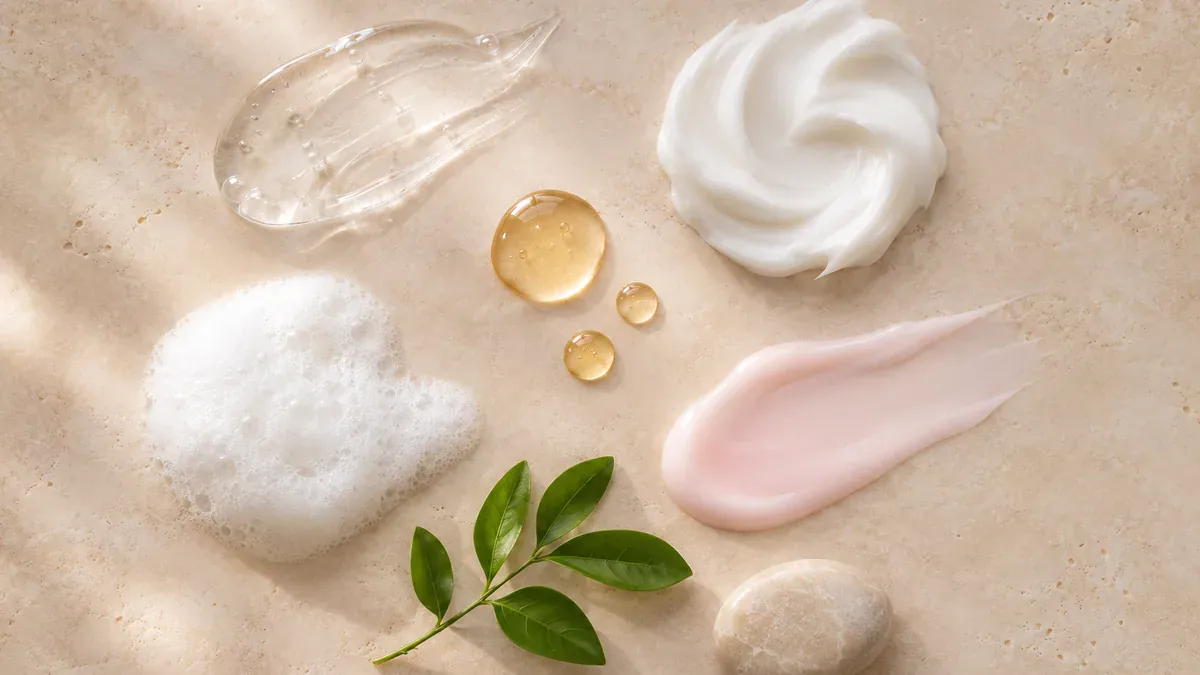

Ingredient lists on skincare packaging are written for chemists, not customers, which is why most people either ignore them entirely or Google one confusing word at a time. This is a reference for the terms that actually come up across serums, patches, and masks — short definitions you can search for individually or read straight through.
Hydration & Barrier Terms
Humectant
An ingredient that attracts and holds onto water, pulling moisture into the skin's surface layers. Hyaluronic acid and glycerin are classic humectants — they don't add oil, they add and retain water.
Emollient
An ingredient that softens and smooths skin by filling in the tiny gaps between skin cells, which is part of what makes skin feel less rough after a product is applied.
Occlusive
An ingredient that forms a protective film over the skin's surface to slow water evaporation, rather than adding moisture itself. Petrolatum and certain oils work this way — they seal in whatever hydration is already there.
Ceramide
A lipid that makes up roughly half the "mortar" holding the skin's outer barrier together. Low ceramide levels are linked to a weaker, more reactive skin barrier.
Transepidermal Water Loss (TEWL)
The rate at which water evaporates through skin into the air. A healthy skin barrier keeps this rate low; a damaged one lets water escape faster, which is part of why compromised skin feels persistently dry.
Skin Barrier
The outermost layer of skin (the stratum corneum), responsible for keeping moisture in and irritants out. See our full guide on what skin barrier damage looks like and how to fix it.
Active Ingredients
PDRN
Short for polydeoxyribonucleotide, a salmon-DNA-derived ingredient used in Korean skincare for its role in supporting skin repair and hydration. Our guide on what PDRN actually does in skincare covers the mechanism in more depth.
Niacinamide
A form of vitamin B3 used for its role in supporting skin barrier function and evening out texture. Commonly paired with hydrating ingredients like PDRN rather than used alone.
Retinoid
An umbrella term for vitamin A derivatives (including retinol) used to speed up cell turnover and support collagen production. Retinoids increase sun sensitivity, which makes daily sunscreen non-negotiable alongside them.
Bakuchiol
A plant-derived ingredient often used as a gentler alternative to retinoids, without the same sun-sensitivity increase.
Peptide
A short chain of amino acids that acts as a signal to skin cells, often used to support firmness and a smoother texture over time.
Hydrolyzed Collagen
Collagen broken down into smaller peptide fragments so it can sit on and support the skin's surface, rather than being absorbed intact the way collagen exists naturally in the body.
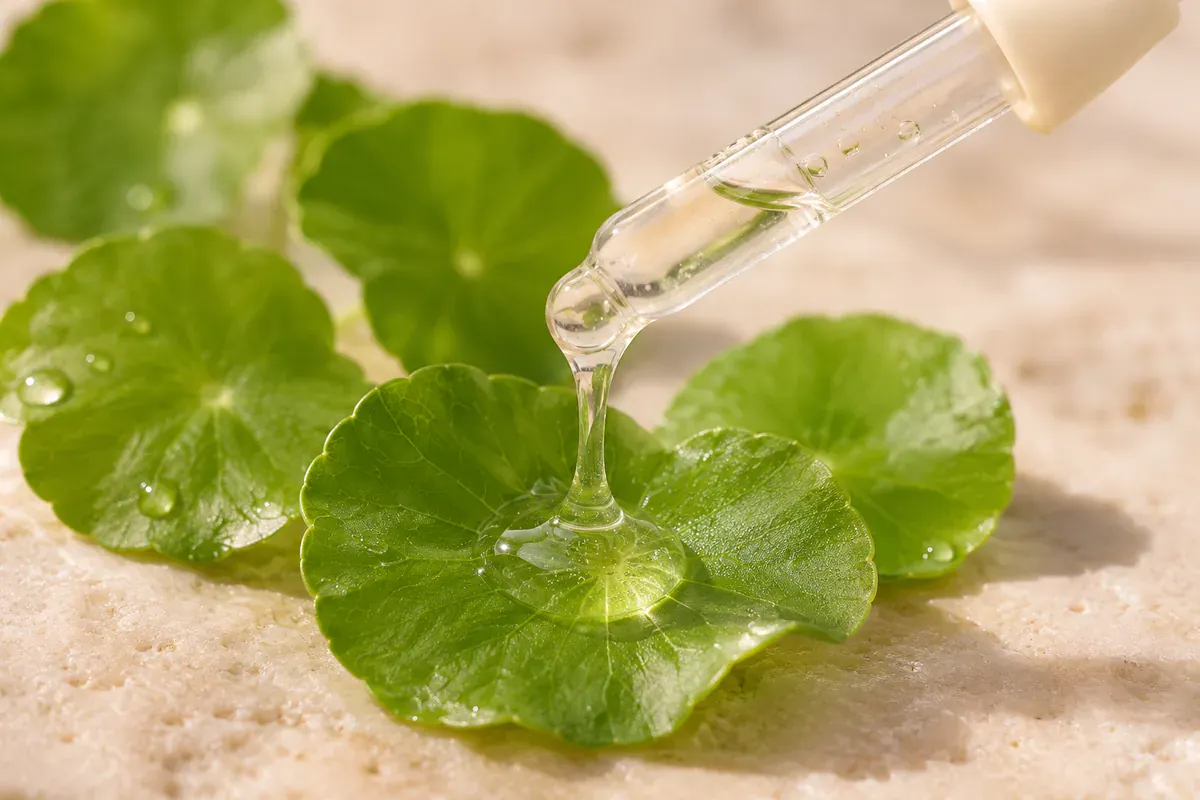
Centella Asiatica (Cica)
A plant extract widely used in Korean skincare, generally included for its calming, soothing role on irritated or stressed skin.
Antioxidant
An ingredient (vitamin C and vitamin E are common examples) that helps defend skin against damage from environmental stressors like UV exposure and pollution.
Exfoliant
An ingredient or product that removes dead skin cells from the surface, either physically (a scrub) or chemically (AHAs, BHAs). Overuse is one of the more common causes of a damaged skin barrier.
AHA / BHA
Alpha- and beta-hydroxy acids, the two main categories of chemical exfoliant. AHAs work mainly on the skin's surface; BHAs (like salicylic acid) are oil-soluble and can get into pores, which is why they're more common in acne-focused products.
Formulation & Label Terms
INCI
The standardized naming system used on ingredient lists worldwide, ordered from highest to lowest concentration. Reading the first five or so ingredients tells you more about a product than the marketing claims on the front of the box.
Comedogenic
Describes an ingredient's tendency to clog pores and contribute to breakouts. "Non-comedogenic" on a label means the formula was designed to minimize that risk, though it's not a fully regulated or standardized claim.
pH
A measure of acidity or alkalinity, on a scale of 0 to 14. Healthy skin sits slightly acidic, generally in the 4.5 to 5.5 range — products far outside that range can disrupt the skin barrier over time.
Broad-Spectrum
A sunscreen label meaning the product protects against both UVA and UVB radiation, not just the UVB responsible for sunburn. See our full breakdown in SPF in Pakistan.
Patch Test
Applying a small amount of a new product to an inconspicuous area of skin (often behind the ear or on the inner arm) and waiting 24–48 hours before using it on the face, to check for a reaction.
Fragrance-Free vs. Unscented
Fragrance-free means no fragrance ingredients were added at all. Unscented can still contain masking fragrance to neutralize a raw-material smell — the two terms aren't interchangeable if fragrance sensitivity is a concern.
Hydrocolloid
A moisture-absorbing material, originally developed for wound care, adapted into pimple patches for its ability to draw out fluid and create a protective barrier over a blemish. Under-eye patches, including ours, are usually hydrogel, a softer, water-rich gel.
PAO (Period After Opening)
The small open-jar icon on packaging with a number and "M" inside (e.g. "12M"), showing how many months a product stays good for once opened — separate from its unopened expiry date.
Sebum
The skin's natural oil, produced by sebaceous glands. Oily skin produces more of it; dry skin produces less — sebum level is one of the main traits used to sort skin into types.
Purging
A temporary increase in breakouts when starting a new active ingredient that speeds up cell turnover, distinct from the active simply not suiting your skin. See skin purging vs breakout for how to tell the difference.
Related: Snail Mucin, Explained: What It Does and Who It’s For
Reading labels on products sold in Pakistan
Imported products usually carry a full INCI list in English, often with a local sticker on top. If a sticker covers the ingredient list, peel the corner or ask the seller for a photo. Be cautious with products that list only "herbal extracts" or nothing at all; that is where mercury and steroid creams hide.
Frequently Asked Questions
What's the difference between a humectant and a moisturizer?
A humectant is one type of ingredient; a moisturizer is a finished product that usually combines humectants, emollients, and sometimes occlusives together in one formula.
Is a higher position on the ingredient list always more important?
Generally yes — INCI lists are ordered by concentration, so ingredients near the top make up more of the formula. Ingredients below the 1% mark (often after preservatives appear) can be listed in any order.
Does "clean beauty" have a standard definition?
No. Unlike terms such as broad-spectrum or non-comedogenic, "clean" isn't a regulated or standardized claim, and different brands define it differently.
Why do some ingredients have different names on Korean vs. Western packaging?
INCI naming is meant to be internationally standardized, but products sold in different markets sometimes list the same ingredient under a regional common name alongside (or instead of) the INCI name. When comparing products, the INCI name is the reliable one to check.
The Takeaway
Most confusing skincare labels boil down to a small, repeating set of terms once you've seen them defined once. Bookmark this if a term on a Purelita product page or another guide isn't clear — and if you want to see how several of these ingredients (PDRN, collagen, hyaluronic acid) show up in an actual formula, browse the full product range or message us on WhatsApp with questions about a specific ingredient.