}%3C/style%3E%3ClinearGradient id='id0' gradientUnits='userSpaceOnUse' x1='21.96' y1='13.35' x2='18.7' y2='40.98'%3E%3Cstop offset='0' stop-color='%23D0AD83'/%3E%3Cstop offset='1' stop-color='%23E8C094'/%3E%3C/linearGradient%3E%3C/defs%3E%3Cpath class='fil0' d='M5.56 30.86l.02.03-.02-.03zm20.01-29.98l0-.02-.02.01.02 0c.03.04.12.1.17.14.32.24.85.71 1.11 1 .03.04.04.05.07.09.39.4.81 1.02 1.1 1.51.13.23.05.01.22.26.46.66.95 1.42 1.32 2.11l.23.43c.08.15.14.29.22.44.94 1.87 1.56 3.84 1.93 5.9.07.37.12.75.17 1.13l.14 1.82c0 .1.02.18.02.31l0 .97c-0 .1-.02.18-.02.31l-.12 1.51c-.15 1.24-.32 2.07-.66 3.27-.22.77-.63 1.87-.99 2.59l-.82 1.46c-.34.51-.56.84-.95 1.34-.05.07-.09.12-.15.18l-.6.71c-.03.03-.05.05-.08.08-.17.19-.35.4-.54.59l-.97 1c-.08.05-1.05 1.04-1.22 1.21-.22.21-.46.52-.66.74-.06.07-.11.13-.16.2-.7.94-1.15 1.89-.73 3.16.11.31.16.43.31.72.18.34.36.54.62.8.04.04.16.14.18.18-.07 0-.17.04-.24.06-.09.03-.16.04-.25.06-.58.14-.91.21-1.53.29-1.36.18-2.89-0-3.99-.75-.16-.11-.46-.32-.6-.45-.03-.03-.05-.05-.08-.08-.58-.48-1.23-1.49-1.49-2.15-.05-.13-.11-.3-.15-.46-.14-.6-.13-1.06.01-1.62.12-.49.43-.99.78-1.34l.16-.15c.38-.36.89-.6 1.41-.73.08-.02.2-.04.26-.06.21 0 .4-.05.67-.03.08 0 .17-.01.24 0 .31.03.56.09.82.16.13.04.24.08.37.13l.34.15c.24.11.43.25.71.29.54.08 1.1-.13 1.36-.59.26-.46.2-1.05.39-1.6.17-.5.42-.89.69-1.28.25-.37.15-.27.55-.43.22-.09.47-.23.63-.37.14-.12.38-.37.32-.64-.11-.59-.89-.85-1.34-1.14-.11-.07-.19-.13-.26-.25 1.4-.33 2.41.32 2.6-.85.03-.18-.01-.37-.08-.48-.06-.09-.19-.18-.27-.3-.16-.24-.21-.61-.06-.91.18-.36.47-.46.79-.64.07-.04.12-.07.19-.1.23-.11.44-.24.67-.36l-1.97 9.61 1.97-9.61c.15-.08.31-.16.47-.22.75-.3.75-.83.43-1.44-.03-.06-.06-.11-.11-.17-.12-.14-.23-.28-.33-.43l2.51-12.26-2.51 12.26c-.13-.19-.26-.38-.39-.57-.04-.07-.07-.11-.11-.18-.15-.23-.29-.48-.42-.73-.38-.75-.66-1.55-.77-2.39-.14-1.05.03-1.88.33-2.77.09-.28.17-.63.22-.93.1-.51.18-.98.2-1.52.01-.17.03-.35.03-.54l-.05-1.67c-.05-.39-.07-.59-.17-.98-.21-.86-.6-1.64-1.08-2.37l-.36-.49c-.22-.27-.44-.52-.68-.76l-.45-.4c-1.12-.91-2.29-1.46-3.74-1.75-.52-.1-1.05-.11-1.61-.11-1.95 0-4.18.31-5.99.91-.15.05-.29.09-.43.14l-.84.31c-.13.05-.27.11-.41.16-.97.4-1.94.91-2.83 1.47-.06.04-.12.07-.18.11l-.51.34c-.07.04-.11.08-.17.12-.12.08-.22.16-.34.24l-.48.37c-.06.05-.11.09-.17.13-.29.23-.57.48-.85.73l-.22.2c-.13.1-.34.31-.45.42-.09.09-.2.19-.29.29l-.48.52c-.24.29-.49.56-.73.85-.05.06-.09.11-.13.16-.08.11-.17.21-.25.32l-1.16 1.71-.52.91c-.31.57-.59 1.16-.83 1.76-.05.13-.11.27-.16.41-.05.14-.11.27-.16.42-.05.14-.09.31-.15.44-.02.07-.04.14-.07.21-.31.93-.66 2.46-.77 3.43-.02.16-.04.34-.06.5-.03.28-.05.76-.08 1.03-.01.09 0 .19-0 .28-.03.39-.01.97-.02 1.38l.04.8c.01.07.02.21.02.27.02.34.06.68.11 1.01.18 1.3.44 2.4.85 3.64.02.07.05.13.07.21.03.08.04.14.07.21.28.72.48 1.26.84 1.97.3.61 1.01 1.88 1.44 2.47l.24.34c.27.39.55.74.85 1.1l.65.75.98.99c.42.42 1.57 1.36 2 1.65.06.04.11.07.16.12.51.38 1.67 1.08 2.25 1.38.13.07.26.12.38.19-.01-.04-.26-.31-.32-.37-.03-.03-.04-.04-.07-.08-.61-.77-.75-.99-1.28-1.87l-.8-1.48c-.03-.06-.06-.13-.09-.19-.1-.21-.29-.57-.37-.77l-.27-.6c-.32-.74-.55-1.25-.81-2.05-.22-.65-.34-1.11-.5-1.79-.09-.37-.29-1.59-.29-1.99l-.03-.55c-.03-.19.02-1.11.05-1.37.01-.07.03-.2.03-.27.01-.33.2-1.15.28-1.47.04-.15.08-.32.13-.46.1-.29.19-.58.3-.86.12-.29.23-.55.36-.83.06-.13.13-.26.2-.38l.21-.38c.67-1.13 1.01-1.58 1.82-2.59.13-.16.28-.31.41-.48l.84-.92c.28-.28.93-.97 1.18-1.17.1-.08.44-.44.61-.57.05-.04.1-.1.15-.15.27-.26.67-.59.93-.85l.92-.84c.06-.06.1-.08.16-.14l1.97-1.84c.05-.05.1-.08.16-.14.2-.2.39-.39.59-.59l.85-.9c.18-.18.64-.72.82-.94.18-.23.35-.43.52-.66.63-.84 1.4-1.98 1.69-3.01.16-.58.17-1.24-.01-1.82-.02-.07-.06-.15-.08-.22.52.12.98.24 1.45.47l.41.24c.26.17.48.36.7.58.69.7 1.08 1.64 1.19 2.68.09.82.04 1.65-.15 2.34-.2.69-.41 1.29-.68 1.9-.27.6-.58 1.15-.92 1.68-.04.07-.08.12-.12.19l-.4.57c-.22.31-.47.6-.72.89-.03.03-.05.05-.08.08-.03.04-.04.05-.08.09l-.31.34c-.04.05-.1.11-.15.16-.03.03-.05.05-.08.08l-.82.79c-.04.04-.05.04-.09.07l-.17.16c-.23.23-.79.68-1.06.88l-1.73 1.33c-.03.02-.06.04-.09.07-.06.05-.11.09-.17.14l-2.04 1.69c-.03.03-.05.05-.08.08-.04.03-.05.04-.09.07-.03.03-.05.05-.08.08-.03.03-.05.03-.08.07l-1.4 1.36c-.06.06-.09.11-.16.17-.2.2-.58.61-.76.85-.05.07-.1.11-.15.18l-.28.36c-.09.12-.18.24-.28.36l-.41.56c-.23.32-.43.66-.63 1-.08.14-.15.29-.23.42-.1.22-.26.51-.35.74-.1.25-.24.55-.32.8-.22.68-.32.99-.45 1.75-.21 1.22-.15 2.79.2 3.97.06.2.11.38.17.57.06.18.13.35.2.53l.23.51c.12.24.22.48.37.73.29.52.51.86.88 1.32l.34.4c.13.13.38.44.54.56.13.1.38.35.58.52.46.36 1.01.78 1.54 1.04.22.11.34.18.61.31.04.02.07.04.12.06.84.35 1.67.64 2.59.73l.49.05c.06 0 .13-0 .2 0 .2.02.48.03.71.03.13-0 .2.02.33.02l.02 0 1.08-.02c.08 0 .11-.01.17-.01.06-.01.12-0 .18-0l1.03-.09c.23-.03.43-.05.66-.08 1.69-.25 3.34-.7 4.89-1.37.32-.14.95-.42 1.25-.59.44-.24.75-.4 1.18-.66.43-.26.93-.58 1.34-.88.07-.05.13-.1.21-.15l.42-.32c.14-.11.27-.22.41-.33l.98-.86c.07-.07.12-.12.19-.19l.19-.17c.07-.07.12-.12.19-.19l.36-.38c0-0 .01-.01.01-.01 0 .01.01-.01.01-.02.23-.26.5-.53.72-.82.33-.42.55-.69.87-1.13.03-.05.05-.07.08-.12.4-.55.68-1.04 1.02-1.61.05-.09.09-.17.14-.25.03-.05.04-.08.07-.13.12-.22.24-.43.34-.66.08-.18.18-.36.26-.54l.47-1.14.41-1.2c.2-.73.32-1.11.48-1.91.12-.61.26-1.46.31-2.11l.08-1.53c.02-.27-.02-.53-.02-.79 0-.79-.15-2.18-.29-2.93-.33-1.71-.62-2.71-1.29-4.32-.17-.4-.38-.85-.58-1.23-.25-.48-.53-.95-.81-1.41l-.64-.97c-.31-.42-.62-.85-.96-1.24l-.86-.97c-.1-.12-.28-.29-.4-.41-.07-.07-.13-.13-.2-.2l-.94-.85c-.04-.03-.08-.06-.12-.1-.61-.54-1.67-1.28-2.34-1.68-.22-.13-.66-.4-.88-.51l-.67-.34c-.09-.05-.17-.08-.26-.13-.05-.03-.08-.04-.13-.06-.05-.02-.09-.04-.15-.07l-1.42-.58c-.16-.06-.8-.29-.91-.3zm-23.04 13.42c.01-.08.09-.29.12-.39.05-.14.08-.26.14-.39.05-.13.09-.24.14-.37.05-.12.1-.24.15-.37l1.03-2.08.59-.95c.07-.1.14-.21.21-.31.08-.1.14-.2.22-.31l.45-.59c.08-.1.15-.19.23-.29l.59-.69c.05-.05.08-.08.13-.14.11-.14.28-.26.39-.4.1-.14.64-.6.8-.76.57-.57 1.87-1.49 2.52-1.9l1.85-1.01c.07-.03.11-.05.18-.08.6-.28 1.22-.52 1.85-.73.34-.11.68-.2 1.02-.3.07-.02.14-.04.21-.05.14-.03.28-.07.41-.1.81-.17 2.51-.5 3.2-.29.24.08.48.2.64.4.19.24.27.45.25.79-.04.78-.71 1.78-1.18 2.45-.28.4-.57.8-.9 1.17l-.24.29c-.11.14-.26.27-.36.41-.04.06-.08.08-.13.14-.05.05-.06.08-.11.13l-.63.67c-.14.14-1.13 1.12-1.33 1.28-.13.11-.27.25-.4.38l-1.02.93c-.03.02-.04.03-.07.06l-.68.62c-.26.25-.55.48-.8.74-.2.2-.47.42-.68.63l-.4.37c-.09.09-.17.17-.26.26l-1.04 1.03c-.26.26-.5.54-.76.8-.05.05-.07.09-.12.14-.05.05-.07.09-.12.14l-.36.41c-.04.05-.08.1-.12.14-.23.29-.47.57-.69.87l-.33.45c-.25.36-.5.73-.72 1.1-.29.48-.59 1-.8 1.53l-.37.92c-.05.13-.09.26-.13.39-.13.39-.25.82-.33 1.23-.01.07-.07.4-.09.43l-.07.5c-.02.16-.03.33-.06.5-.05.34-.05 1.27-.04 1.64.01.47.09 1.07.15 1.54.05.32.11.64.17.95.18.91.41 1.55.69 2.4.02.06.07.17.07.22-.13-.09-.8-1.09-.97-1.33-.05-.07-.09-.13-.14-.21l-.55-.94c-.03-.04-.04-.06-.06-.1-.14-.27-.34-.62-.44-.89-.03-.08-.07-.15-.11-.22-.07-.16-.14-.3-.2-.47-.28-.7-.49-1.24-.69-1.97-.18-.63-.4-1.52-.48-2.18-.03-.21-.14-.97-.15-1.18-0-.19-.04-.42-.05-.61-.01-.2-.04-1.12-.02-1.28.01-.12-0-.35 0-.49 0-.08.01-.08.02-.16.01-.43.05-.83.1-1.23.1-.89.34-2.16.62-3.02.03-.09.05-.18.08-.26zm30.14 17.97c-.08.05-.49.49-.61.6-.04.03-.05.03-.08.07l-.24.22c-.12.13-.52.44-.66.56-.2.18-.82.63-1.04.78l-1.11.71c-.13.08-.25.15-.38.22l-.8.42c-.63.26-1.26.52-1.9.09-.34-.23-.62-.72-.72-1.11-.16-.67.18-1.29.56-1.79l.86-.97c.09-.09 1.17-1.16 1.22-1.23.08-.05.42-.41.52-.51l.89-.95c.03-.03.03-.04.06-.07.41-.44 1.15-1.41 1.44-1.84l.42-.63c.4-.61.97-1.74 1.24-2.42.65-1.61 1.09-3.23 1.32-4.97l.13-1.19c.02-.24.05-.48.05-.74 0-.1.02-.14.02-.25-0-.09-0-.18-0-.26 0-.1.02-.14.02-.25-0-.2.01-.63-.01-.78-.02-.16.01-.35-.01-.51-.02-.13-.02-.37-.02-.5-.02-.65-.26-2.29-.36-2.8l-.39-1.71c-.12-.4-.23-.83-.36-1.22-.05-.14-.09-.26-.14-.39-.21-.64-.68-1.8-.99-2.42-.06-.11-.24-.46-.26-.53l.32.27c.03.03.05.05.07.07.04.03.05.03.08.07l.38.36c.17.14.37.34.53.51.03.04.04.05.07.08l.5.54c.76.9 1.53 1.89 2.1 2.93l.61 1.16.7 1.66c.31.78.6 1.98.76 2.78.12.61.24 1.49.27 2.11 0 .07.01.06.02.13 0 .05-0 .1 0 .15 0 .09.02.16.02.28-0 .28.04.91.01 1.16l-.02.57c0 .12-.02.17-.02.28-0 .08-.01.19-.02.28-.02.17-.04.37-.06.53-.15 1.16-.36 2.32-.74 3.4-.03.08-.04.15-.07.22-.03.07-.05.14-.08.22-.13.4-.49 1.29-.69 1.69-.38.74-.69 1.39-1.16 2.09-.15.23-.31.48-.48.71l-.77 1c-.03.03-.04.05-.07.08-.03.03-.03.05-.07.08l-.85.94z'/%3E%3Cpath class='fil1' d='M160.98 4.67l.07 0c.02.09.06.17.08.26l.26.8c.8 2.4 1.57 4.83 2.37 7.22.03.09.06.2.09.27l-5.7 0 2.83-8.56zm-8.41 16.49l3.2 0 1.76-5.3 7.04-0c.04.16.58 1.67.68 1.98l.8 2.32c.04.11.07.22.11.33.04.11.07.21.11.33.02.06.04.11.06.17.02.04.04.12.06.17l3.43 0c-.01-.06-.03-.09-.05-.15l-.58-1.67c-.19-.58-.43-1.23-.64-1.81-.07-.21-.13-.41-.21-.61-.13-.32-.3-.86-.42-1.21l-.85-2.43c-.26-.79-.58-1.63-.85-2.42-.07-.21-.13-.4-.21-.61-.13-.35-.28-.86-.42-1.22-.08-.2-.14-.4-.21-.61-.07-.21-.14-.39-.21-.61-.33-.98-.74-2.05-1.06-3.03l-1.07-3.04-4.01 0-6.05 18.18c-.07.2-.13.4-.2.6l-.21.61z'/%3E%3Cpath class='fil2' d='M90.6 11.23l-4.4 0 0-7.92 3.89 0c1.23 0 2.59.12 3.59.73.71.43 1.12 1.16 1.27 1.97.16.88.09 2.02-.19 2.87-.15.46-.42.92-.76 1.26-.39.39-.94.68-1.48.83-.56.16-1.21.26-1.91.26zm-6.18 9.92l1.77 0 0-8.36 5.04 0c.06 0 .12.14.16.23l.44.79c.05.09.09.16.14.25l.29.53c.24.47.64 1.1.88 1.57.05.09.1.17.15.26l2.34 4.2c.1.17.2.35.29.53l1.95 0-.91-1.65c-.17-.33-.56-1.01-.76-1.37-.05-.1-.1-.18-.15-.27-.17-.33-.43-.76-.62-1.11-.23-.44-.54-.95-.76-1.37-.05-.09-.1-.18-.15-.27-.05-.1-.1-.18-.15-.27-.29-.54-.62-1.1-.91-1.65-.05-.1-.1-.18-.15-.27-.05-.1-.11-.18-.15-.27-.03-.07-.14-.23-.15-.3.08-.02.15-.04.22-.06.07-.03.13-.05.2-.07.51-.2 1.03-.46 1.47-.8.14-.11.51-.42.6-.53.48-.57.79-.93 1.07-1.77.28-.84.33-1.38.33-2.33 0-1.16-.39-2.28-1.05-3.09-.42-.52-.95-.91-1.55-1.21-.96-.48-2.27-.71-3.45-.71l-6.44 0 0 19.4z'/%3E%3Cpolygon class='fil1' points='139.06 4.39 144.87 4.39 144.87 21.16 148.01 21.16 148.01 4.39 153.77 4.39 153.77 1.76 139.06 1.76'/%3E%3Cpolygon class='fil1' points='118.34 21.16 130.06 21.16 130.06 18.49 121.48 18.49 121.48 1.76 118.34 1.76'/%3E%3Cpath class='fil2' d='M65.11 14.98c0 .76.14 2.13.44 2.88.1.25.12.32.24.58l.14.27c.23.46.55.82.9 1.18.29.29.6.49.95.71.5.3 1.24.53 1.82.66 1.2.27 2.65.27 3.86.12.39-.05 1.03-.18 1.39-.3.22-.07.42-.14.62-.22.67-.27 1.58-.85 2-1.4.03-.04.06-.07.1-.11.38-.49.62-.85.86-1.49.31-.81.5-1.79.5-2.9l0-13.21-1.81 0 0 13.22c0 1.38-.31 2.8-1.24 3.72-.86.86-2.2 1.19-3.87 1.19-.81 0-1.6-.1-2.22-.3-.94-.3-1.82-.92-2.26-1.81-.04-.08-.07-.14-.1-.21-.19-.39-.37-1.03-.43-1.48-.05-.36-.1-.75-.1-1.17l0-13.17-1.81 0 0 13.22z'/%3E%3Cpath class='fil2' d='M54.11 12.17l-3.53 0 0-8.85 3.5.02.92.05c.67.07.99.1 1.65.27.18.05.32.09.49.15.08.03.16.06.22.09.36.16.7.36.97.64.8.8.97 1.86.97 3.09 0 .82-.13 1.48-.34 2.09-.25.72-.85 1.45-1.54 1.8-.04.02-.06.03-.1.05-.83.45-2.2.61-3.22.61zm-5.31 8.98l1.77 0 0-7.39 3.45 0c.55 0 1.08-.04 1.58-.1.84-.09 1.88-.35 2.63-.72.38-.19.72-.4 1.04-.65 1.23-1 1.92-2.58 1.92-4.81 0-1.22-.28-2.61-.96-3.52-.11-.14-.21-.29-.34-.42-.12-.11-.22-.25-.38-.37-.34-.27-.29-.23-.65-.47-.33-.22-.92-.44-1.3-.57-.36-.12-.82-.21-1.23-.27-.43-.06-.93-.1-1.41-.1l-6.11 0 0 19.4z'/%3E%3Cpolygon class='fil2' points='101.38 21.16 112.61 21.16 112.61 19.6 103.18 19.6 103.18 12.11 111.76 12.11 111.76 10.51 103.18 10.51 103.18 3.32 112.35 3.32 112.35 1.76 101.38 1.76'/%3E%3Cpolygon class='fil1' points='133.29 21.16 136.43 21.16 136.43 1.76 133.29 1.76'/%3E%3Cg class='fil2'%3E%3Cpath d='M52.86 30.09l-.31-.02c-.1-.01-.16-.03-.25-.03l.36-3.25.61.05c.28.04.62.14.84.28.14.09.18.13.29.25.07.08.08.08.15.2.26.48.24 1.16.03 1.65-.27.63-.98.87-1.72.87zm-3.96.16c.07-.04.12-.1.21-.17.07-.06.14-.12.21-.19.04-.04.06-.04.1-.08.06-.06.27-.23.31-.28-.03-.14-.21-.35-.21-.92 0-.56.35-1 .79-1.24.15-.08.35-.18.51-.24.07-.03.12-.04.2-.07.27-.09.52-.14.81-.21l-.1.87c-.03.29-.07.58-.1.89-.06.58-.12 1.17-.2 1.76-.1.79-.11 1.73-.66 2.28-.19.19-.18.17-.31.15-.15-.02-.3-.04-.44-.05-.05.07-.1.09-.16.15l-.5.49.43.03c.07.01.15 0 .23 0 .15 0 .45.03.66.03l.87.05c.21.02.19-.02.32-.14.08-.08.15-.14.24-.22.05-.05.2-.18.22-.24l-.49-.02c-.08-0-.08-.01-.16-.02-.22-.01-.44-.03-.66-.03.01-.01.4-.22.55-.32.44-.3.48-.64.58-1.16l.1-.77c.09-0 .23-.03.33-.03.2-.02.42-.07.61-.11.11-.03.19-.06.29-.09.38-.1.89-.4 1.19-.64.24-.19.44-.42.6-.68.1-.17.05-.1.12-.24.18-.37.21-.91.1-1.33-.25-.87-1.36-1.14-2.2-1.14-.88 0-1.37.01-2.22.3-.25.08-.47.19-.69.32-.14.08-.32.19-.44.29-.28.23-.39.31-.63.63-.23.31-.37.65-.45 1.04-.03.15-.04.3-.05.46-.02.16.05.76.11.88z'/%3E%3Cpath d='M83.23 30.26c.08-.02.64-.61.73-.68.05-.04.07-.06.11-.11-.03-.12-.23-.41-.23-.85 0-.92.66-1.29 1.4-1.46.25-.06.58-.07.89-.07l-.1.84c-.03.29-.05.57-.09.86-.04.29-.06.56-.09.84l-.2 1.69c-.08.54-.24 1.11-.68 1.45-.08.06-.08.04-.19.03-.14-.01-.29-.04-.43-.05l-.49.48c-.06.06-.12.09-.17.16.18 0 .44.03.66.03.1 0 .13.02.23.02l.66.03c.19.01.44-0 .68.03.22.03.21-.01.34-.13.07-.07.44-.38.46-.47l-.53-.02c-.25-.01-.59-.05-.85-.05.1-.09.74-.27.99-.88.23-.57.19-1.22.28-1.6.26 0 .6-.02.85 0 .58.05.99.1 1.43-.27.15-.12.33-.29.43-.44l-.65.09c-.54.07-1.42.04-1.99.04l.3-2.69 1.1-0c.09 0 .11.02.21.02.08 0 .15-0 .23-0 .1-0 .13.02.21.02 1.16.03.8.54.79.89.32 0 .36-.19.48-.47.12-.26.32-.85.42-1.07-.25 0-.74.05-.99.05-.1-0-.26-.01-.36 0-.26.04-1.9.01-2.42.01-.14 0-.23.01-.35.02-.2.01-.44.04-.63.08-.19.03-.39.09-.56.14-.09.03-.16.06-.25.1-.16.07-.41.21-.56.31-.61.46-1.02 1.04-1.15 1.83-.03.21-.04.44-.03.65.02.35.09.45.1.61z'/%3E%3Cpath d='M110.58 31.4l0 .01c0-0-.01-0-0-.01zm-3.84-1.76c0 .11.07.19.15.21.01-.06.04-.08.07-.14.12-.25.38-.59.68-.6.25-.01.3.51.3.75 0 .08.02.1.02.2 0 .07-0 .14-0 .21 0 .09.02.1.02.2.01.44.04.82.05 1.23 0 .13.04.41.03.61-0 .34.07 1.22.51 1.22.32 0 .48-.15.73-.37l.69-.8c.08-.1.14-.19.21-.3l.38-.62c0 .11-.37 1.93-.39 2.04-.13.72-.26 1.28-.49 1.96-.14.41-.34.86-.68 1.14-.15.13-.13.13-.36.25-.3.15-.58.2-.99.22-.16.01-.42-.04-.55-.06l-.35-.1c-.04-.02-.07-.03-.12-.05l-.64.69c.16.08.6.16.79.16.78-0 1.54-.26 2.15-.72.16-.12.5-.4.62-.56.05-.07.1-.09.17-.19l.17-.21c.07-.1.13-.18.19-.29.69-1.1.94-2.86 1.19-4.1.14-.71.32-1.7.49-2.38l.16-.57c.02-.06.05-.11.06-.18-.06.03-.15.05-.22.08l-.46.16c-.07.03-.16.07-.24.08-0 .14-.25 1.3-.28 1.41-.17.59-.37.96-.66 1.44-.06.1-.1.17-.17.26-.17.23-.6.83-.93.74-.25-.07-.25-.79-.28-.98-.01-.06-.01-.11-.01-.2 0-.1-.01-.12-.02-.2-.02-.28-.02-.54-.03-.82l-.02-.39c-.01-.08-.01-.12-.01-.2-0-.09-.02-.1-.02-.2-0-.22-.06-.57-.11-.74-.17-.56-.66-.48-1.04-.2-.21.16-.77.61-.77.92z'/%3E%3Cpath d='M61.43 28.76c0 .19-.19 1.37-.22 1.5-.1.4-.19.59-.37.93-.1.19-.39.62-.53.78-.27.32-.56.64-.96.78-.1.03-.24.07-.35.02-.13-.05-.14-.23-.14-.37 0-.69.17-1.71.23-2.45.03-.41.3-1.44-.33-1.45-.28-0-.57.24-.77.4-.05.04-.08.08-.13.12-.05.04-.07.06-.12.11-.16.16-.57.61-.42.84.02.04.03.05.08.07.01-.06.11-.21.14-.27.13-.22.39-.6.68-.6.15 0 .16.17.16.3 0 .29-.19 2.1-.24 2.44-.02.14-.03.26-.04.4-.03.39-.16 1.22.43 1.22.51 0 .92-.35 1.27-.65.04-.03.05-.03.08-.07.05-.05.09-.1.15-.15.21-.16.74-.81.91-1.06l.1-.15c.02-.03.01-.01.02-.03 0 .38-.34 1.61-.12 1.95.2.31.66.11.89-.06.19-.14.22-.19.39-.35.14-.13.59-.71.59-.87 0-.08-.09-.16-.16-.16-.05.2-.42.86-.79.94-.15.03-.19-.05-.2-.2l.36-2.7c.04-.26.07-.51.12-.75.02-.12.05-.23.07-.35.01-.06.03-.13.04-.17.01-.07.04-.13.04-.19-.16.04-.62.23-.84.28z'/%3E%3Cpath d='M124.41 28.76c0 .19-.19 1.37-.22 1.5-.06.23-.13.45-.23.64-.05.1-.09.19-.14.28-.28.54-.92 1.37-1.49 1.56-.35.12-.5.01-.5-.35 0-.69.17-1.71.23-2.45.03-.41.3-1.44-.33-1.45-.28-0-.57.24-.77.4-.22.17-.84.79-.67 1.07.02.04.03.05.08.07.01-.06.04-.09.06-.13.15-.25.42-.74.76-.74.15 0 .16.17.16.3l-.11 1.22c-.05.39-.08.8-.13 1.21-.05.34-.07.68-.07 1.03 0 .32.15.59.46.59.51 0 .92-.35 1.27-.65l.23-.21c.11-.09.44-.46.55-.59.18-.22.29-.39.45-.61 0-0 0-.01.01-.01l.03-.04c0 .11-.04.28-.05.39-.06.39-.24 1.29-.07 1.55.24.37.84.03 1.09-.22.19-.2.78-.82.78-1.06 0-.08-.09-.16-.16-.16-.05.2-.42.86-.79.94-.27.06-.19-.29-.18-.4.01-.34.29-2.13.34-2.5.08-.56.12-.77.23-1.28.01-.07.04-.13.04-.19-.16.04-.62.23-.84.28z'/%3E%3Cpath d='M93.54 32.95c-.74 0-.97-.73-.97-1.48 0-.45.01-.72.14-1.14.09-.3.18-.48.35-.73.06-.09.13-.17.2-.24.19-.17.41-.27.7-.27 1.07 0 1.04 1.66.86 2.44-.06.26-.14.45-.25.66-.2.4-.56.76-1.05.76zm-1.76-1.07c0 .46 0 .84.26 1.23.39.59 1.32.47 1.84.13.53-.33.97-.84 1.29-1.38.42-.69.66-1.6.48-2.43-.03-.16-.08-.27-.14-.4-.12-.25-.33-.41-.61-.49-.64-.17-1.27.17-1.62.46-.4.34-.72.74-.99 1.19-.23.39-.51 1.06-.51 1.68z'/%3E%3Cpath d='M115.95 32.95c-.74 0-.97-.73-.97-1.48 0-.41 0-.58.09-.98.01-.07.03-.11.04-.17l.11-.31c.11-.23.09-.2.24-.42.06-.09.13-.17.2-.24.19-.17.41-.27.7-.27 1.07 0 1.04 1.66.86 2.44-.07.32-.23.68-.42.93-.2.27-.49.49-.88.49zm-1.76-1.07c0 .46 0 .84.26 1.23.34.51 1.09.49 1.59.26.8-.36 1.45-1.24 1.8-2.01.33-.74.57-2.51-.53-2.81-1.5-.41-3.12 1.85-3.12 3.33z'/%3E%3Cpath d='M71.83 31.06c-.17 0-.17-.02-.3-.05.01-.38.24-1.04.48-1.36.22-.29.45-.5.85-.47.1.01.15.02.22.05.44.18.35.92-.02 1.3-.3.3-.71.53-1.23.53zm-1.07.85c0 .46.03.83.32 1.18.44.54 1.07.54 1.64.24.26-.13.32-.21.52-.36l.32-.32c.11-.11.45-.52.45-.67 0-.1-.07-.19-.15-.21-.04.18-.32.54-.47.69-.43.43-1.19.61-1.6.08-.1-.13-.14-.24-.19-.4-.04-.13-.08-.35-.08-.51.05-0 .19-.05.23-.06.25-.08.43-.17.66-.28.18-.09.4-.24.56-.36l.75-.8.11-.2c.08-.15.13-.3.16-.47.06-.33.06-.73-.27-.89-.43-.21-1 .07-1.34.34-.09.07-.16.14-.24.22-.04.04-.07.07-.12.11-.48.49-.9 1.23-1.11 1.88-.06.19-.13.54-.13.79z'/%3E%3Cpath d='M64.83 29.86c0 .04.05.16.15.18.03-.13.21-.41.29-.53.1-.13.26-.32.48-.34.14-.01.16.09.18.22.03.22-.06.86-.09 1.12-.03.24-.06.49-.08.74-.02.24-.06.49-.08.74-.02.35-.16 1.22-.16 1.5l.72-.24c.04-.03.04-.03.05-.12l.03-.27c.07-.7.1-1.32.4-1.97.02-.05.04-.09.06-.13.03-.06.04-.09.07-.14.27-.45.22-.4.57-.81.11-.13.18-.19.32-.29.19-.13.36-.19.59-.17.24.02.22.06.33.08.07-.1.1-.12.18-.2.04-.04.04-.06.08-.1l.18-.2c.05-.05.25-.25.27-.31-.05-.01-.07-.02-.11-.04-.04-.02-.08-.03-.13-.04-.25-.07-.54-.05-.78.04-.31.12-.52.3-.73.53-.31.33-.59.69-.8 1.09l-.24.41c.01-.29.15-1.07.15-1.53 0-.75-.55-.69-1.06-.29l-.49.45c-.13.15-.34.41-.34.61z'/%3E%3Cpath d='M97.88 29.86c0 .04.05.16.15.18.03-.13.21-.41.29-.53.1-.13.26-.32.48-.34.14-.01.16.09.18.22.04.25-.13 1.5-.17 1.86l-.21 1.84c-.01.13-.04.27-.04.39l.58-.2c.21-.07.18.01.23-.43.01-.13.02-.23.04-.36.06-.55.07-.8.25-1.33.03-.09.07-.19.11-.28.2-.45.39-.71.7-1.09.15-.18.35-.35.58-.42.13-.04.19-.05.33-.03.24.02.22.06.33.08.07-.1.1-.12.18-.2l.18-.2c.04-.04.04-.06.08-.1.05-.05.25-.25.27-.31-.18-.04-.17-.09-.51-.12-.34-.02-.65.11-.91.31l-.49.46c-.44.55-.5.67-.82 1.23l-.06.1c.01-.29.15-1.07.15-1.53 0-.18-.02-.29-.1-.43-.06-.09-.17-.15-.32-.15-.23-.01-.5.18-.64.29-.03.02-.03.03-.06.05-.24.2-.77.67-.77 1.01z'/%3E%3Cpath d='M127.79 32.87c.05.07.21.15.34.32.07.08.23.32.25.42.07-.02.32-.29.38-.36.11-.11.29-.24.37-.37-.04-.17-.39-.59-.59-.72l-.37.35c-.14.12-.23.26-.38.36z'/%3E%3Cpath d='M76.25 32.87c.05.07.21.15.34.32.07.08.23.32.25.42.07-.02.32-.29.38-.36.11-.11.29-.24.37-.37-.04-.17-.39-.59-.59-.72-.05.03-.64.63-.76.71z'/%3E%3C/g%3E%3C/svg%3E)

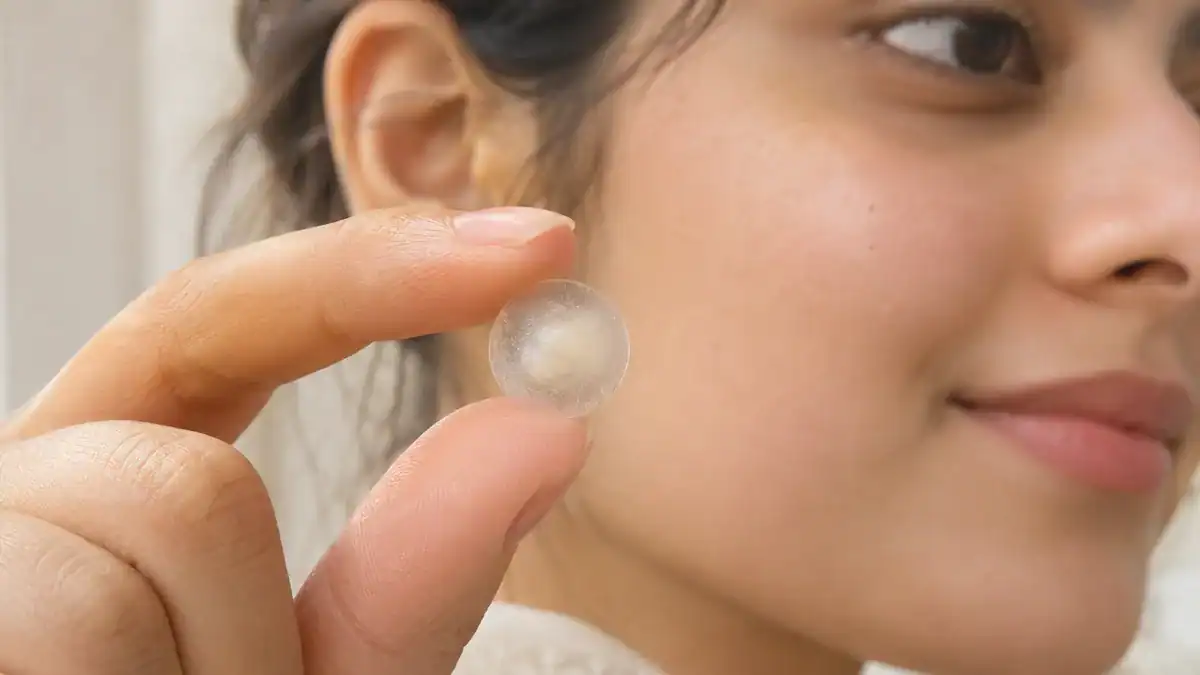

Every hydrocolloid patch you've ever peeled off a pimple started life as something else entirely: a wound dressing for hospital patients. Before it was sold in cute star and heart shapes, hydrocolloid material was developed to help pressure ulcers and surgical wounds heal — and understanding how that material is actually made explains a lot about why it works so well on a spot, and why not all patches are made the same way.
This isn't about what happens once you stick a patch on your face — we've already covered that in how hydrocolloid acne patches work. This is about the material itself: where it came from, what it's built out of, and how it's manufactured before it ever reaches a packet.
Hydrocolloid Material Didn't Start in Skincare
Hydrocolloid dressings exist because of a 1962 discovery that overturned decades of medical practice. A researcher named George Winter, working at the University of London, ran an experiment on pig skin: he made small wounds, left half of them open to the air to scab over the traditional way, and covered the other half with a moisture-trapping polymer film. The covered wounds healed roughly twice as fast, based on how quickly new skin cells migrated across the wound bed. That result, published in the journal Nature, is what's now called the "moist wound healing" principle, and it replaced the older belief that wounds needed to dry out and scab to heal properly.
That single study is the reason hydrocolloid dressings exist at all. Once clinicians accepted that a moist, sealed environment healed wounds faster than air exposure, manufacturers needed a material that could hold moisture against a wound without letting it leak out, stay in place for days, and not need constant changing. Hydrocolloid was built to do exactly that. It spent the following decades as a fixture in wound care — used on pressure ulcers, diabetic foot ulcers, skin tears, and surgical incisions — long before anyone thought to shrink it down and put it on a pimple.

Hydrocolloid Pimple Patches
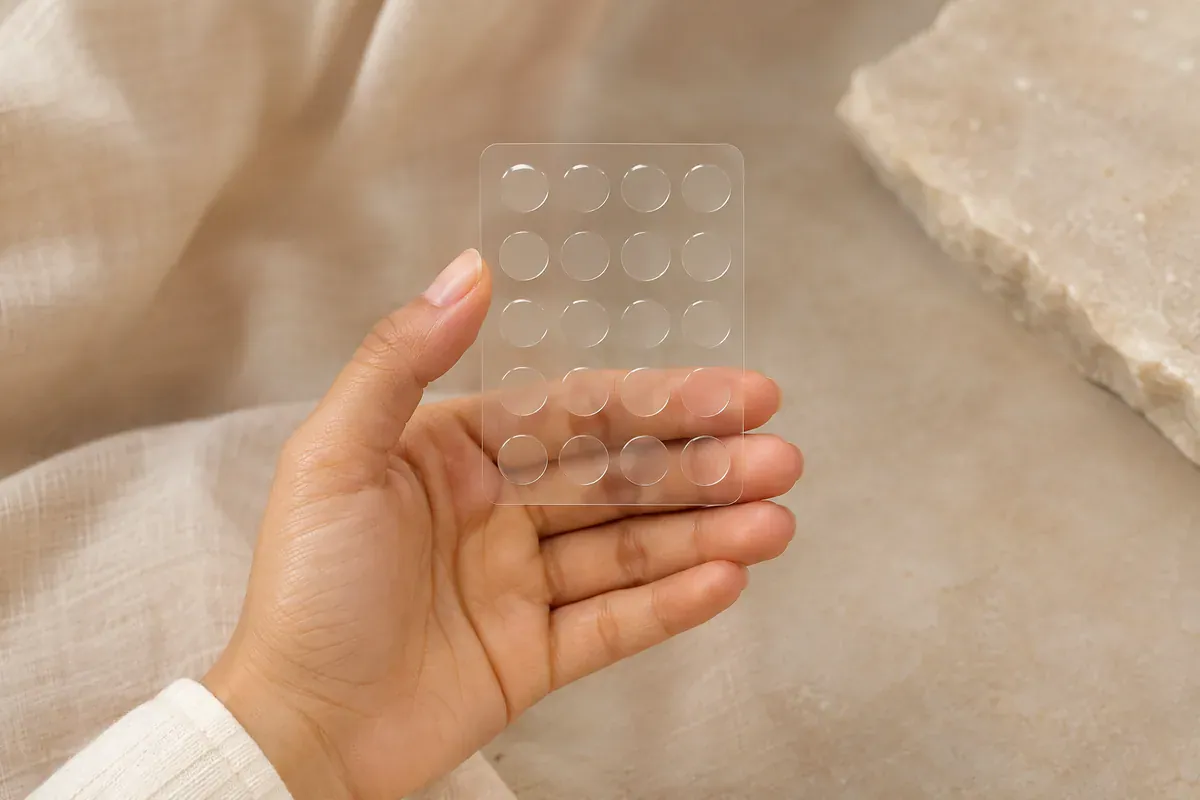
The same medical-grade hydrocolloid material this article covers, made into a patch sized and shaped for a blemish rather than a wound.
What Hydrocolloid Material Actually Is
Strip away the branding and a hydrocolloid patch is a small, purpose-built laminate — several distinct layers doing different jobs, not one uniform material.
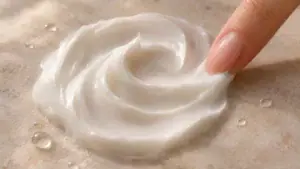
At the core is the gel-forming layer, built from what's technically called a hydrocolloid: a blend of water-swellable particles suspended in a rubbery elastomer base (commonly polyisobutylene). The particles that do the actual absorbing are usually a mix of sodium carboxymethylcellulose (CMC), gelatin, and pectin — the same three ingredients that show up again and again across medical wound dressings, because together they gel on contact with moisture instead of just soaking it up like a sponge would. CMC in particular is doing most of the work; it's a modified plant cellulose with an unusually strong capacity to swell and lock in fluid once it's wet.
On top of that gel layer sits a thin backing film, typically a polyurethane or similar polymer that's waterproof from the outside but lets water vapor pass through — which is why a patch can seal in moisture from the wound side while still "breathing" slightly through the top. Between the gel layer and your skin (or the backing, depending on the design) is a pressure-sensitive adhesive layer that holds the whole thing in place without needing tape or a wrap. Before you peel it off the packet, a release liner protects both sticky surfaces.
None of this is exotic. It's the same category of medical-grade material used in hospital wound care — gel-forming polymer, adhesive layer, protective film — just cut down to a small round or star shape and packaged for a bathroom shelf instead of a clinic supply cart.
How the Material Is Actually Manufactured
The manufacturing process is closer to industrial laminating than anything cosmetic. Documented processes for hydrocolloid/adhesive wound material follow roughly this sequence:
1. Blending the Base
The elastomer (the rubbery base) is blended with a pressure-sensitive adhesive on a mixing mill until it's uniform.
2. Adding the Hydrocolloid Particles
A dry, pre-blended powder mix of the CMC, gelatin, and pectin is worked into that base until the particles are evenly dispersed through it — this is what determines how consistently the finished patch will absorb fluid, rather than having weak spots that saturate faster than others.
3. Forming It Into Sheet Stock
The blended material is compression-molded under heat and pressure into flat sheet stock — the raw hydrocolloid material before it's cut into anything.
4. Laminating the Layers
The backing film goes on one side of the sheet; the adhesive layer and release liner go on the other. This is where the single-layer gel becomes the multi-layer laminate that actually functions as a dressing.
5. Converting and Die-Cutting
The laminated sheet is die-cut into its final shape — a plain oval for a wound dressing, or a small dot, star, or heart for a cosmetic patch — and individually packaged.
6. Sterilization
Medical-grade hydrocolloid dressings intended for open wounds are typically sterilized, often with gamma irradiation, before sealing. This step matters less for a closed, unbroken pimple than it does for a surgical wound, but it's part of why the category as a whole is held to a manufacturing standard well above a basic bandage.
What separates a patch that performs consistently from one that peels up in an hour usually traces back to steps two and four — how evenly the hydrocolloid particles were dispersed, and how well the layers were laminated together. A patch made with an uneven blend or a weak adhesive bond will absorb unevenly and lift at the edges, which is exactly the failure pattern people describe when a cheap patch doesn't work. If you want to know what that looks like from the outside before you buy, our guide on spotting fake or low-quality hydrocolloid patches covers the visible signs.
Why It's Not Just a Fancy Band-Aid
A standard adhesive bandage is built to do one job: cover a wound and keep dirt out. It's absorbent gauze under a strip of plastic and adhesive — passive coverage. It doesn't interact with the wound itself; it just sits over it.
Hydrocolloid material is built to do something more active. Instead of merely absorbing fluid the way gauze does, the CMC particles gel on contact with moisture, which does two things a bandage can't: it locks that fluid inside the dressing instead of letting it evaporate or wick outward, and it keeps the wound bed itself moist rather than dry. That moist, sealed environment is the entire point — it's the mechanism Winter's 1962 study demonstrated speeds up healing. A bandage doesn't create an environment at all; it just blocks the outside world.
The practical difference shows up in wear time, too. A basic bandage is meant to be changed every few hours as it gets dirty or loses adhesion. Hydrocolloid dressings in clinical use are designed to stay on for one to several days at a stretch, forming a semi-occlusive seal that a simple strip of gauze and tape was never engineered to hold. That's also why a hydrocolloid patch on a pimple can be left overnight without falling apart the way a bandage would.
Why This Matters for the Patch on Your Face
None of this history is trivia. It's the reason a hydrocolloid pimple patch behaves the way it does — turning white and slightly domed as it absorbs fluid from a blemish, staying put through a full night's sleep, and not needing to be re-applied every few hours. That performance comes from decades of the material being engineered and refined for actual wounds, not from a cosmetic company inventing something new. Our Hydrocolloid Pimple Patches use that same established category of material, formed into a shape sized for a blemish instead of a pressure ulcer.
Understanding the manufacturing side also explains why quality varies so much between brands selling what looks like an identical dot on the outside. Two patches can look the same and perform completely differently, because the difference is in the blend ratio, the lamination, and the consistency of the hydrocolloid particles — none of which you can see by looking at the packet.
Buying hydrocolloid patches in Pakistan
Most patches sold here are made in China or Korea and repacked by local brands, which is fine as long as the patch is real hydrocolloid. The easy test: wear it on a surfaced spot overnight. If it turns white or cloudy, it absorbed something. If it looks exactly the same in the morning, you bought a plaster. Our Hydrocolloid Pimple Patches come 36 to a pack in two sizes for Rs 1,080, with Cash on Delivery anywhere in Pakistan.
Frequently Asked Questions
Is hydrocolloid material actually medical-grade, or is that just marketing language?
Hydrocolloid is a genuine, decades-old wound-care material — it's used in hospitals for pressure ulcers, surgical wounds, and skin tears, not something invented for skincare. Cosmetic hydrocolloid patches for acne belong to the same material category, just cut into small shapes for a blemish rather than a wound.
What is hydrocolloid made of?
The core is a blend of water-swellable particles — typically sodium carboxymethylcellulose (CMC), gelatin, and pectin — suspended in a rubbery adhesive base. A thin waterproof-but-breathable backing film sits on top, with a pressure-sensitive adhesive layer holding the whole patch to skin.
How is hydrocolloid different from the material in a regular Band-Aid?
A regular bandage is passive gauze that covers a wound and blocks dirt. Hydrocolloid actively gels when it contacts moisture, sealing fluid inside and keeping the area moist rather than letting it dry out — which is the mechanism that makes it perform differently over hours, not just cover the surface.
Was hydrocolloid always used for acne, or is that a recent thing?
It wasn't. Hydrocolloid was developed for hospital wound care starting in the decades after the moist-wound-healing research of the 1960s. Its use on acne is a much more recent adaptation — the material was borrowed because a pimple behaves like a small, fluid-filled surface wound.
Why do some hydrocolloid patches perform better than others if they're made of the same basic material?
The finished performance depends on manufacturing details that aren't visible on the packet — how evenly the absorbing particles are blended into the base, and how well the layers are laminated together. An uneven blend or weak lamination shows up as a patch that lifts early or absorbs unevenly.
Does the patch need to be sterile if I'm just using it on a pimple, not an open wound?
Sterilization matters most for open wounds in clinical settings. On a closed or partially open blemish it's less critical, but it's still a sign of a manufacturer holding the material to a genuine medical-grade standard rather than cutting corners on production.
The Takeaway
Hydrocolloid patches work as well as they do because the material behind them was refined over decades of real wound care, not because a skincare brand invented a clever gimmick. Knowing what's actually in the laminate — the gel-forming particles, the adhesive, the backing film — and how it's built layer by layer is a useful way to judge quality the next time you're comparing patches that all look like the same small dot.
If you want to try the real thing, Purelita's Hydrocolloid Pimple Patches and the Panda Hydrocolloid Patches use this same established material category, and you can see the full range on our shop page. Questions about which one fits your skin? Message us on WhatsApp and we'll help you pick.