

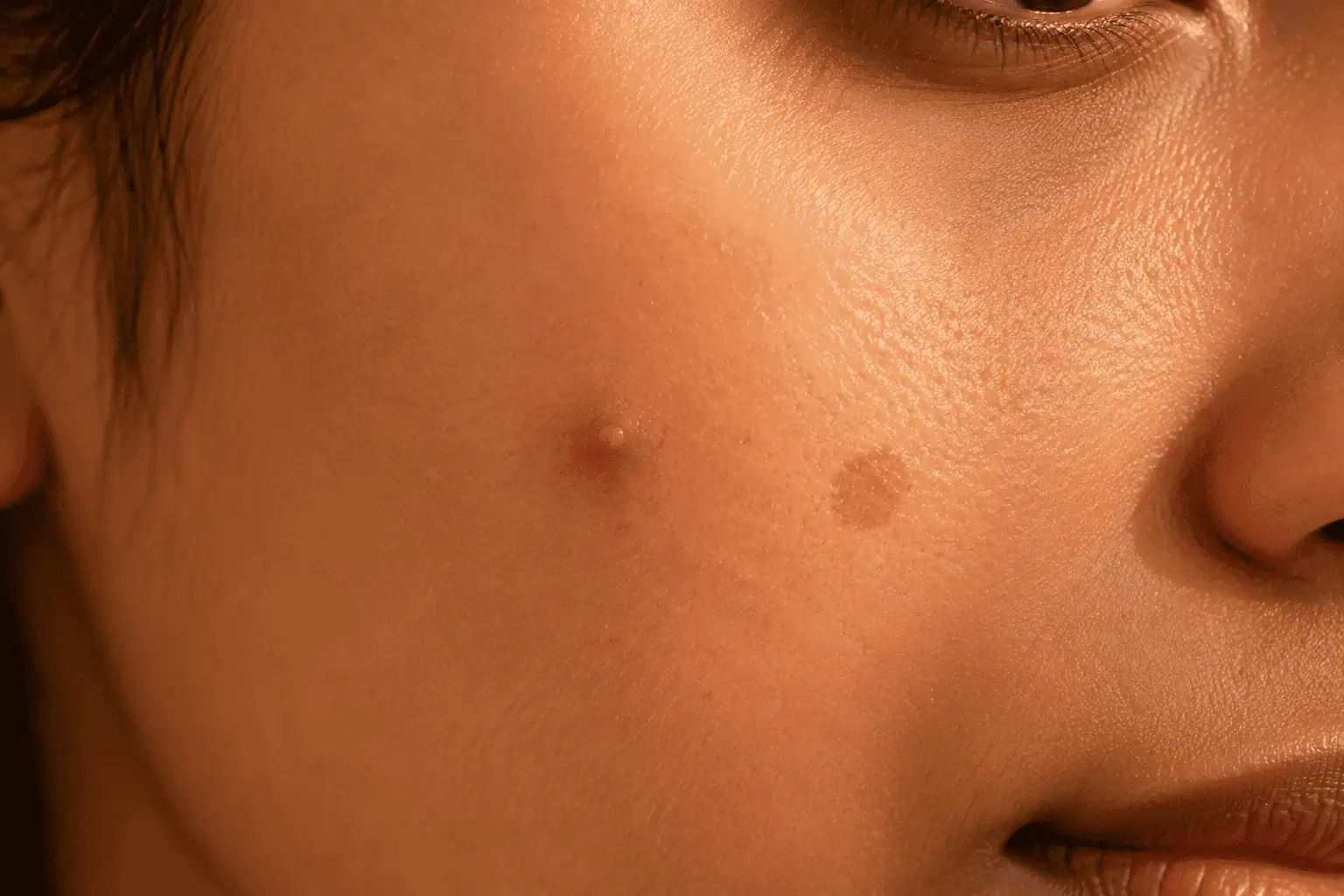

Ever dabbed spot treatment on a flat brown mark, hoping it would "dry up"? Then you've hit the most common mix-up in acne care: confusing acne scars vs active breakouts. At a glance, they look similar. However, they're completely different skin states. And each one needs a completely different response.
An active breakout is a live, evolving lesion. It's inflamed, often tender, and still changing day to day. A scar or post-acne mark, on the other hand, is the aftermath. By then, the inflammation has resolved. What's left is discoloration or texture change as skin repairs itself. So treating one like the other doesn't just fail to help. In fact, it can slow healing or irritate skin that's already recovering.
This guide walks through how to tell the two apart. It also explains why the distinction matters more than most people realize. Finally, you'll see what genuinely helps each one. That includes where hydrocolloid patches fit in — and where they don't.
Acne Scars vs Active Breakouts: Why People Confuse the Two
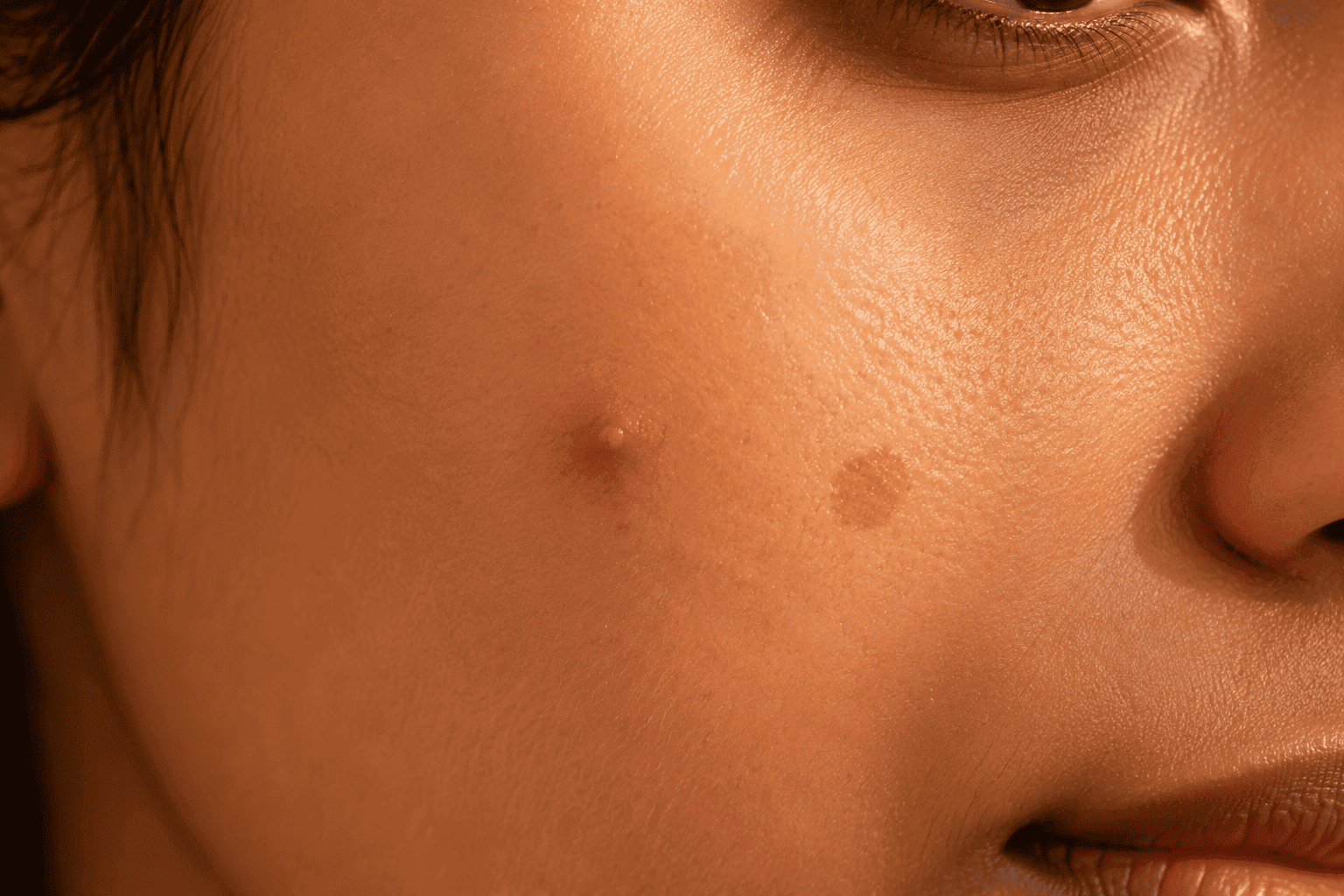
Both active blemishes and acne marks can look like a reddish or darkened spot. That's exactly why they're so easy to mix up, especially in a quick mirror check. Many people also assume any visible mark means "unfinished business." In other words, if it's still discolored, something must still be wrong. In reality, though, a mark can sit on the skin for weeks or months after the blemish has healed. That's simply because pigment and blood vessels take time to normalize.
A behavioral pattern reinforces the confusion too. When people see a stubborn mark, the instinct is to reach for old favorites. Usually, that means benzoyl peroxide, spot patches, or drying treatments. After all, more treatment should mean faster fading, right? But a healing mark doesn't respond to inflammation-fighting ingredients the way an active lesion does. That's because there's usually no active inflammation left to fight. So the result is often dryness, irritation, or a disrupted barrier — layered onto a mark that was already fading on its own.
So understanding each stage is the key. Really, it comes down to active inflammation versus post-inflammatory repair. Get that right, and you won't waste weeks on the wrong approach.
What's Actually Happening Under the Skin
An active breakout begins when a pore clogs with oil, dead skin cells, and bacteria. In turn, that triggers an immune response. This is why active blemishes are typically raised, warm, and sometimes painful. The redness and swelling are a direct sign the immune system is working there. Depending on the lesion, this phase can last from a few days to over a week.
Once the inflammation resolves, skin enters a repair phase. Here, two outcomes are common. First, post-inflammatory hyperpigmentation (PIH). In this case, skin makes excess pigment, leaving a flat brown, tan, or dark spot. Second, post-inflammatory erythema (PIE). Here, damaged capillaries leave a flat pink or red mark, more visible in lighter skin tones. Neither is an infection or active inflammation. Instead, they're simply visible evidence of healing.
Sometimes the damage goes deeper. This is especially true with deep or repeatedly picked-at lesions. Then the skin's collagen structure is disrupted enough to leave textured scarring. That means shallow depressions or, less often, raised tissue once the color fades. This is a separate, longer-term concern from PIH or PIE. It's also the type most likely to need professional help.
Key insight: A flat, non-tender mark is almost always healing tissue, not an active lesion. So treating it with acne-fighting products meant for live breakouts usually just adds irritation. Worse, it won't speed up fading at all.
Active Breakout or Scar? Quick Signs to Check
Active Breakout
- Raised, often with visible whitehead or firm bump beneath the surface
- Tender, warm, or painful when touched
- Changes noticeably day to day — growing, forming a head, or draining
Scar / Mark
- Flat to the touch, no swelling or texture change felt under fingers
- No pain or tenderness, even with light pressure
- Color fades very gradually over weeks to months, no day-to-day shift
How to Treat an Active Breakout
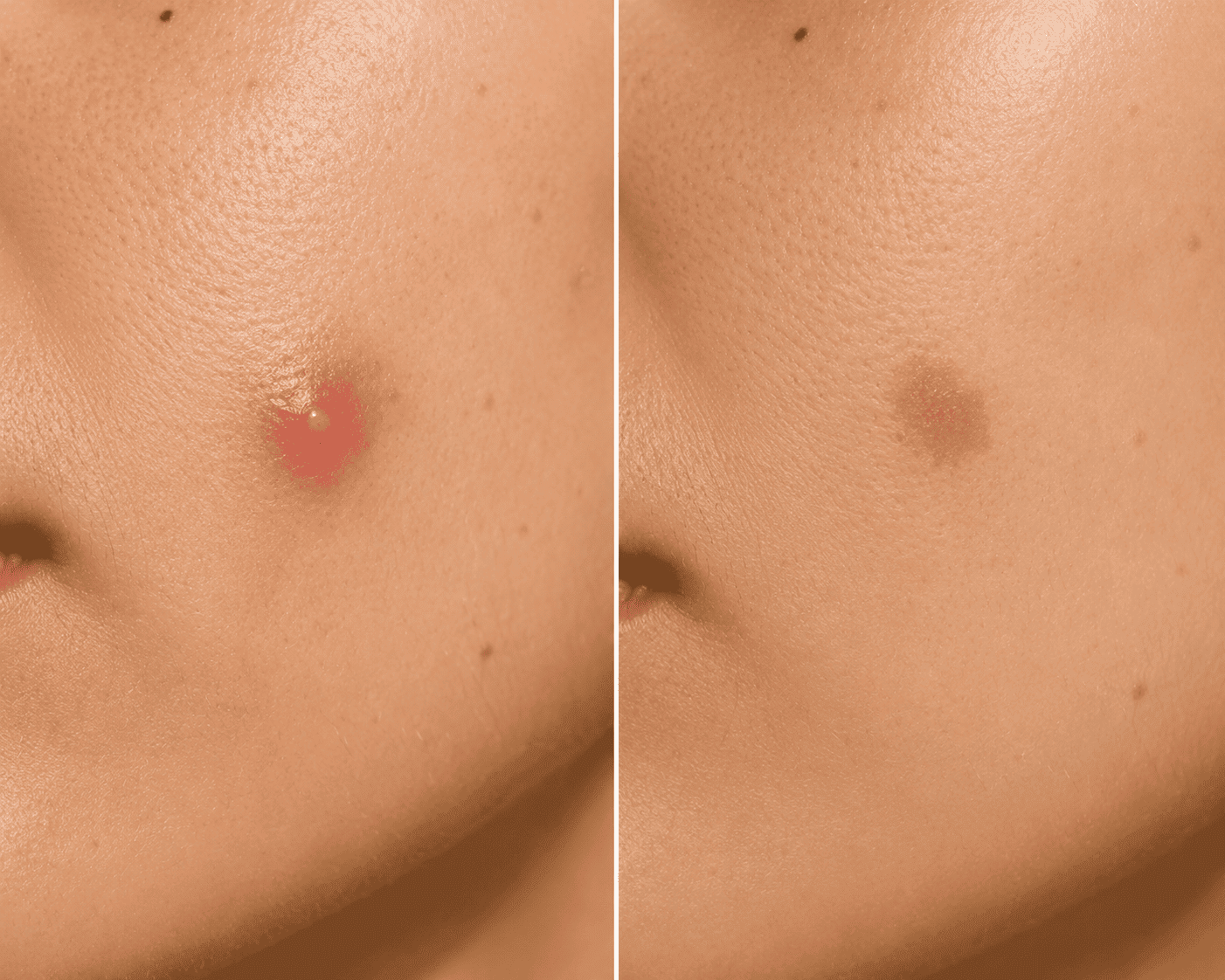
Active lesions respond best to a calm approach. In practice, that means reducing inflammation, protecting the area, and avoiding anything that worsens swelling. This is exactly where hydrocolloid acne patches help. Applied over an active, surfaced pimple, they absorb fluid and oil. They also create a barrier against bacteria and friction. Best of all, they physically prevent picking — a major driver of scarring. That said, patches work best on lesions that have come to a head. They don't do much for spots that are still deep and unsurfaced.
A few habits help alongside patches. First, cleanse gently twice a day. Second, use spot treatments like salicylic acid or benzoyl peroxide as directed, not layered excessively. Third, resist the urge to squeeze or pick. Together, these support faster, cleaner healing. Really, the goal during the active phase is damage control. Reduce inflammation and protect the area, so any mark left behind is as small as possible.
It's also worth noting what doesn't help. For instance, aggressive exfoliation, harsh scrubbing, or piling on multiple actives. Instead of helping, these inflame the area further. As a result, they can raise the odds of post-inflammatory marks or textured scarring later.
How to Treat Scars and Post-Acne Marks
Once a lesion flattens and is no longer tender, the priority shifts. Now hydrocolloid patches have no real job. After all, there's no active fluid or inflammation to absorb. So using one on a flat mark is simply unnecessary, and it won't speed up fading.
For PIH, the flat brown or dark marks, daily sun protection is the single most important habit. That's because UV stimulates pigment and makes marks darker and slower to fade. Several ingredients also help discoloration fade over time. These include vitamin C, niacinamide, azelaic acid, and gentle retinoids. However, they work gradually — think weeks to months, not days. For PIE, the flat pink or red marks, sun protection still matters. Here, though, patience is often the biggest factor, since these marks resolve as the capillaries heal.
Textured scarring is different again. These are shallow pits or indentations left after deeper lesions. Unfortunately, they often don't respond to topical products alone. Ingredients can support overall texture and collagen over time. But established depressions usually need in-office options to see real change.
When to See a Dermatologist
Most flat discoloration fades on its own. Typically, that takes time, sun protection, and consistent brightening ingredients. Still, it's worth seeing a dermatologist in a few cases. For example, if marks aren't improving after several months of care. Or if you notice textured, pitted scarring rather than just color change. Likewise, see one if breakouts are frequent, painful, or scarring repeatedly, since that may point to an underlying cause.
For textured scarring, a dermatologist may suggest several options. These include microneedling, chemical peels, or laser treatments. Broadly, they work by remodeling collagen or resurfacing the area. Such approaches can meaningfully improve scarring. However, results vary by person, scar type, and skin tone. They also usually need multiple sessions, not a single fix. Finally, a dermatologist is the right resource for stubborn pigmentation, since prescription-strength options may suit some skin types.
Frequently Asked Questions
Can I use a hydrocolloid patch on a dark spot or scar?
It won't help. Hydrocolloid patches work by absorbing fluid from an active, often fluid-filled lesion. A flat mark has no fluid to draw out, so the patch has nothing to do and won't speed up fading.
How do I know if a mark is still healing or finished?
Touch is the best test. If it's flat, painless, and unchanged day to day, it's in the healing/fading stage. If it's raised, tender, or visibly shifting, it's still an active lesion.
How long do acne marks typically take to fade?
Post-inflammatory marks often take several weeks to a few months to noticeably fade, and sometimes longer depending on skin tone, sun exposure, and how deep the original inflammation was.
Does sunscreen really make a difference for acne marks?
Yes — UV exposure stimulates pigment production and can darken existing marks or slow their fading considerably. Daily sun protection is one of the most effective, low-effort steps for marks caused by hyperpigmentation.
Why does picking at a blemish increase scarring risk?
Picking damages skin tissue beyond what the original blemish caused, deepening inflammation and increasing the chance the skin's collagen structure is disrupted, which can lead to textured scarring rather than a simple fading mark.
Are red marks (PIE) treated differently than brown marks (PIH)?
Yes, to some degree. PIH involves excess pigment and often responds to brightening ingredients like vitamin C or niacinamide, while PIE involves damaged capillaries and tends to rely more on time and sun protection, though both benefit from gentle, consistent skincare.
Can topical products fix pitted or textured scars?
Topicals can support overall skin texture and collagen health, but established pitted or indented scarring usually doesn't change significantly without in-office treatments like microneedling or lasers.
Is it ever okay to use spot treatment on a fading mark?
Generally not necessary, and it can backfire. Active ingredients meant for inflamed breakouts can dry out or irritate skin that's already in repair mode, sometimes prolonging the appearance of the mark.
Final Advice
The fastest route to clearer-looking skin isn't more product everywhere. Instead, it's matching the right response to the right stage. So protect and calm active breakouts, so they heal cleanly. Then, once a mark is left behind, shift to patience, sun protection, and targeted brightening. Save aggressive intervention for genuine textured scarring. And bring in a dermatologist when home care has plateaued.
This article is for informational purposes and reflects general dermatological consensus; consult a board-certified dermatologist for diagnosis and treatment of persistent or severe acne.
